
Electric cars are becoming more common every year, but one question still comes up again and again: how long do electric car batteries last in real use?
It is a fair concern. The battery is the most expensive part of an EV, and most drivers want to know if it will last long enough to justify the cost.
In this guide, I will break it down in a simple way using real world driving behavior, not just theory. You will also see what affects battery life, how fast it degrades, and what you can do to extend it.

Content
What Is an Electric Car Battery?
An electric car battery is a large lithium ion pack that stores energy for the motor.
It is not like a normal car battery. Instead of just starting the engine, it powers the entire vehicle.
This system is often called electric vehicle battery life technology and is managed by a built-in computer system known as the battery management system. This system controls temperature, charging speed, and energy balance to protect the battery.
How Long Do Electric Car Batteries Last in Real Life?
On average, most EV batteries last:
- 8 to 15 years
- Around 100,000 to 300,000 miles
So when people ask, how long do electric car batteries last in real world driving, the answer depends heavily on usage.
Some drivers lose only 10 to 15 percent capacity after many years, while others may notice faster battery capacity loss EV depending on driving habits.
In my experience working with electric vehicle owners, most batteries still perform well even after 8 years, especially in moderate climates.
Key Factors That Affect EV Battery Life

Battery life is not fixed. Several real world factors affect it.
Charging Cycles
Every full charge and discharge is called a cycle. Over time, these cycles slowly reduce battery strength. This is known as EV battery lifespan wear.
Fast Charging Impact
Frequent fast charging can increase heat inside the pack. This may speed up lithium ion battery degradation, especially in older models.
Temperature Conditions
Extreme heat or cold affects performance.
- Hot weather can increase battery stress
- Cold weather reduces range temporarily
This is why people often ask, how long do electric car batteries last in hot weather or cold regions.
Driving Style
Aggressive acceleration drains energy faster and increases long term wear.
Battery Management System
A good battery management system helps control heat and charging speed, which protects long term health.
EV Battery Degradation Explained
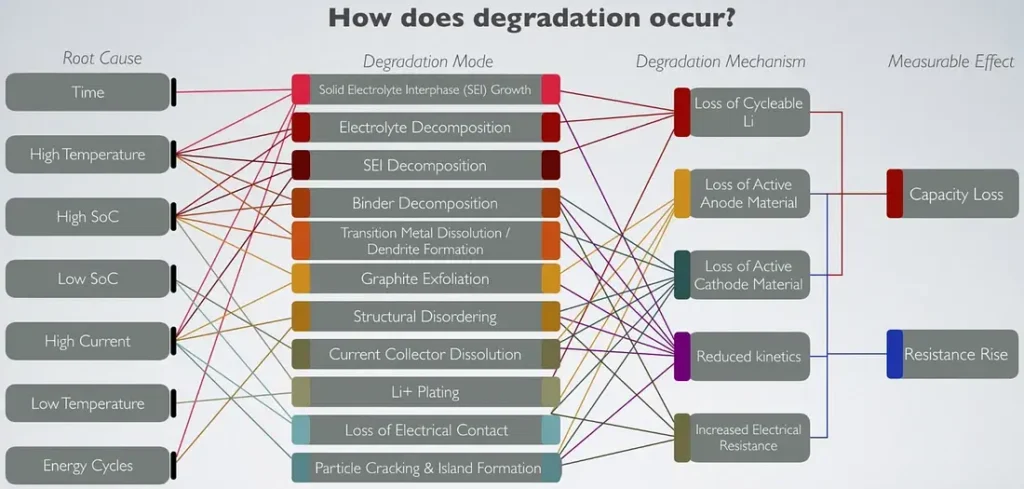
Battery degradation means gradual loss of storage capacity over time.
This is completely normal.
Most EVs lose a small percentage every year. This process is called electric vehicle battery life decline.
After several years, you may notice:
- Slightly reduced driving range
- Longer charging time
- Lower peak performance
But even then, the car usually remains fully usable for daily driving.
How Long Do EV Batteries Last Before Losing Range?
Most drivers notice noticeable range drop after:
- 5 to 8 years of use
This answers another common query: how long do electric car batteries last before losing range
However, the loss is gradual, not sudden. For example:
- Year 1–3: minimal change
- Year 4–7: slow decline
- Year 8+: more noticeable reduction
Even after 10 years, many EVs still offer 70 to 85 percent of original range.
Warranty Coverage for Electric Car Batteries
Most manufacturers offer an EV battery warranty period of:
- 8 years or 100,000 miles (varies by brand)
This warranty usually covers excessive degradation beyond a certain limit.
It gives buyers confidence that the battery will not fail early in its life.
Can Electric Car Batteries Be Replaced?
Yes, EV batteries can be replaced, but it is expensive.
Replacement is needed when:
- Capacity drops too low
- Battery health becomes unstable
- Long term degradation affects usability
However, full replacement is rare in early years due to slow wear.
How to Extend EV Battery Life
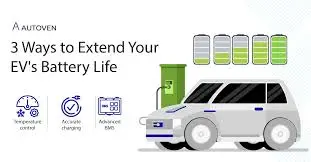
Many people ask, how do you extend EV battery life. The answer is simple habits.
Here are practical tips:
- Avoid charging to 100 percent daily
- Do not let battery drop to 0 often
- Use regular charging instead of fast charging when possible
- Park in shaded or moderate temperature areas
- Avoid extreme driving habits
These small changes help reduce battery capacity loss EV over time.
Real-Life Case Study
A Tesla Model 3 owner I spoke with had driven over 120,000 miles in 6 years.
He used the car for daily commuting and occasional long trips. Most charging was done at home, but he also relied on fast chargers during travel.
At first, he noticed no change in performance. After about 5 years, range dropped slightly from 310 miles to around 275 miles.
That raised the question: how long do electric car batteries last after 100,000 miles
The inspection showed about 11 percent degradation, which is normal for that mileage.
The key takeaway was that regular charging habits and avoiding extreme heat helped maintain stable performance.
What Affects Electric Car Battery Life the Most?
If we simplify everything, three factors matter most:
- Heat exposure
- Charging habits
- Driving behavior
These have more impact than age alone.
Understanding what affects electric car battery life the most helps owners take better care of their EVs and avoid unnecessary degradation.
conclusions
So, how long do electric car batteries last in real life?
For most drivers, the answer is simple: long enough to make EV ownership practical and cost effective.
With proper care, an electric car battery can last well over a decade with only gradual performance loss. Instead of worrying about sudden failure, focus more on good charging habits and temperature control.
In the end, EV battery technology is improving every year, and durability is no longer the concern it used to be.
FAQs
How many years do EV batteries last?
Most EV batteries last between 8 to 15 years depending on usage and environment.
Do electric car batteries degrade over time?
Yes, gradual degradation is normal due to chemical aging and charging cycles.
Is EV battery replacement expensive
Yes, it can be costly, but most batteries last long enough that replacement is rarely needed early.
How long do electric car batteries last with fast charging?
Frequent fast charging can slightly reduce lifespan over many years, but modern systems manage this better
Can EV batteries be improved or repaired?
Some minor issues can be repaired, but full replacement is needed when capacity drops too low.

Safety is Mark’s top priority. His blog isn’t just advice; it’s a guardian angel for drivers. Stay informed about the latest safety features, and drive with confidence, knowing Mark has your back.