
Introduction
When a car starts acting strange, most drivers think about the battery first. But in many cases, the real issue comes from the alternator.
The signs of a failing alternator often start small. You may notice weak lights or slow starting, then suddenly the car refuses to run properly. I have seen this happen many times in real roadside situations, where drivers ignored early warnings and ended up stranded.
This guide explains everything in simple terms. You will learn how the alternator works, the most common symptoms, what causes failure, and how to deal with it before it becomes a major repair.
Content
What Does an Alternator Do?
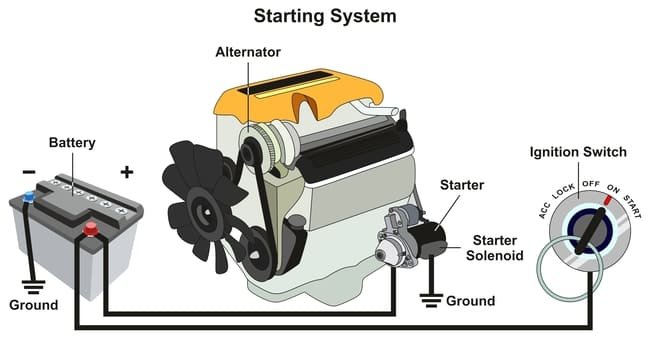
The alternator is the main power generator in your car once the engine is running. It keeps the electrical system alive and charges the battery at the same time.
It supports:
• Battery charging
• Headlights and interior lights
• Air conditioning blower
• Radio and infotainment system
• Engine control electronics
Without it, the battery alone cannot keep the car running for long.
What Are the Signs of a Failing Alternator?
Many drivers ask, what are the signs of a failing alternator. The answer is important because early detection can prevent a breakdown.
Dim or Flickering Lights
One of the earliest alternator warning signs is unstable lighting. Headlights may dim at idle and brighten when you accelerate.
Dashboard Battery Light
A glowing battery symbol is often linked to charging system problems, not just a weak battery. It is one of the clearest alerts of trouble.
Weak or Dead Battery
Repeated battery drain is a strong signs of a failing alternator symptoms. Even after charging, the battery may not hold power.
Starting Trouble
If the engine struggles to crank, the alternator may not be supplying enough charge to keep the battery healthy.
Strange Electrical Behavior
Power windows moving slowly, flickering displays, or radio cutouts often point to car electrical problems caused by unstable voltage.
Burning Smell
A failing alternator or slipping belt can create a burnt smell. This usually means overheating or internal damage.
Engine Stalling
In severe cases, lack of power supply can cause sudden stalling while driving. This is one of the most serious failing alternator symptoms.
Real Life Case Study
A driver I worked with owned a Honda Civic used for daily commuting. He first noticed slight dimming of headlights at night but ignored it.
A week later, the battery warning light appeared briefly. He assumed it was nothing serious because the car still started normally.
Then one morning, while driving to work, the car radio shut off, dashboard lights dimmed, and the engine stopped at a traffic signal.
When the car was checked, the alternator output was extremely low and could no longer charge the battery. The repair required full replacement of the unit along with a new battery.
This situation clearly showed the importance of spotting early signs of a failing alternator while driving instead of waiting for a breakdown.
What Causes an Signs of a Failing Alternator
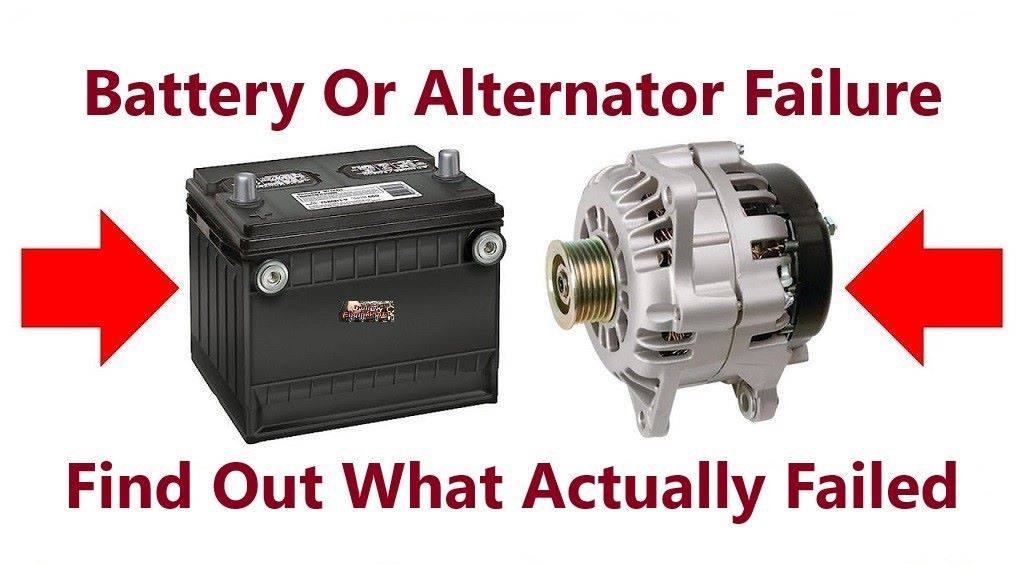
Understanding what causes an alternator to fail helps prevent future issues.
Common reasons include:
• Worn internal bearings from long use
• Faulty voltage regulator
• Damaged serpentine belt
• Excess heat inside engine bay
• Water exposure during deep driving conditions
• Too many electrical accessories increasing load
Over time, these factors slowly reduce charging ability.
Failing Alternator vs Dead Battery Symptoms
It is easy to confuse battery issues with alternator issues. Here is a simple comparison.
Dead Battery
• Car does not start
• Lights are weak or off
• Jump start temporarily works
Alternator Problem
• Battery keeps dying repeatedly
• Electrical systems behave unpredictably
• Engine may stall after starting
• Warning light appears on dashboard
Many mechanics agree that failing alternator vs dead battery symptoms can be separated by checking if the battery keeps draining after replacement or charging.
How to Tell if an Alternator is Failing
If you are unsure, here are simple checks.
Voltage Test
With engine off, battery should read around 12.6 volts. With engine running, it should be between 13.5 to 14.5 volts.
Visual Inspection
Look for:
• Loose or cracked belt
• Damaged wiring
• Burn marks near alternator
Driving Behavior
If you notice alternator not charging battery symptoms, such as fading lights or weak electronics while driving, the alternator may be failing.
Can You Drive With a Failing Alternator?
You may be able to drive a short distance, but it is not safe for long use.
Once the battery loses charge, the car will stop running completely.
If you suspect trouble:
• Turn off air conditioning
• Avoid using extra electronics
• Drive directly to a repair shop
Ignoring the issue can lead to sudden roadside breakdown.
Alternator Repair vs Replacement
Not all cases require full replacement.
Repair Options
• Brush replacement
• Bearing repair
• Voltage regulator fix
Replacement Needed When
• Internal damage is severe
• High mileage wear
• Repeated failures
In many cases, alternator replacement is more reliable and cost effective than repeated repairs.
How to Prevent Alternator Problems
Simple habits can extend alternator life.
• Keep battery terminals clean
• Inspect belt condition regularly
• Avoid unnecessary electrical load
• Fix warning lights early
• Schedule regular system checks
Preventive care reduces chances of sudden failure.
conclusions
The signs of a failing alternator should never be ignored. Small issues like dim lights or warning signals often come before major breakdowns.
From my experience, most drivers who act early avoid expensive repairs and roadside emergencies. Once alternator warning signs appear, it is always better to test the system immediately instead of waiting.
A healthy charging system keeps your car reliable, safe, and ready for daily use.
Frequently Asked Questions
What are the first signs of alternator failure
Dim lights, weak battery performance, and warning lights on the dashboard.
Can a bad alternator drain a battery
Yes, because it fails to recharge the battery properly.
How long can you drive with a failing alternator
Only a short distance depending on battery charge and electrical use.
How much does it cost to replace an alternator
Yes, when battery power drops too low to support engine electronics.

Safety is Mark’s top priority. His blog isn’t just advice; it’s a guardian angel for drivers. Stay informed about the latest safety features, and drive with confidence, knowing Mark has your back.