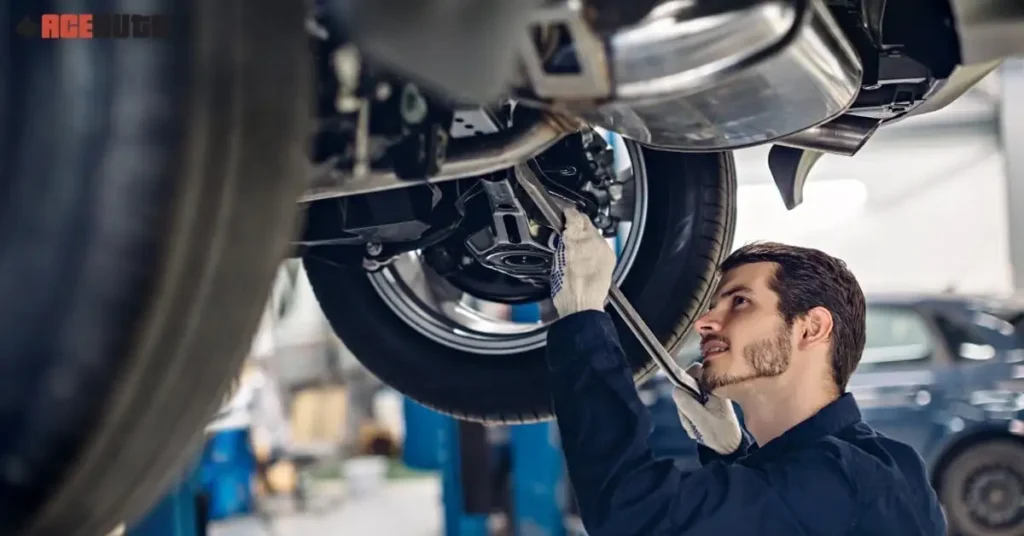
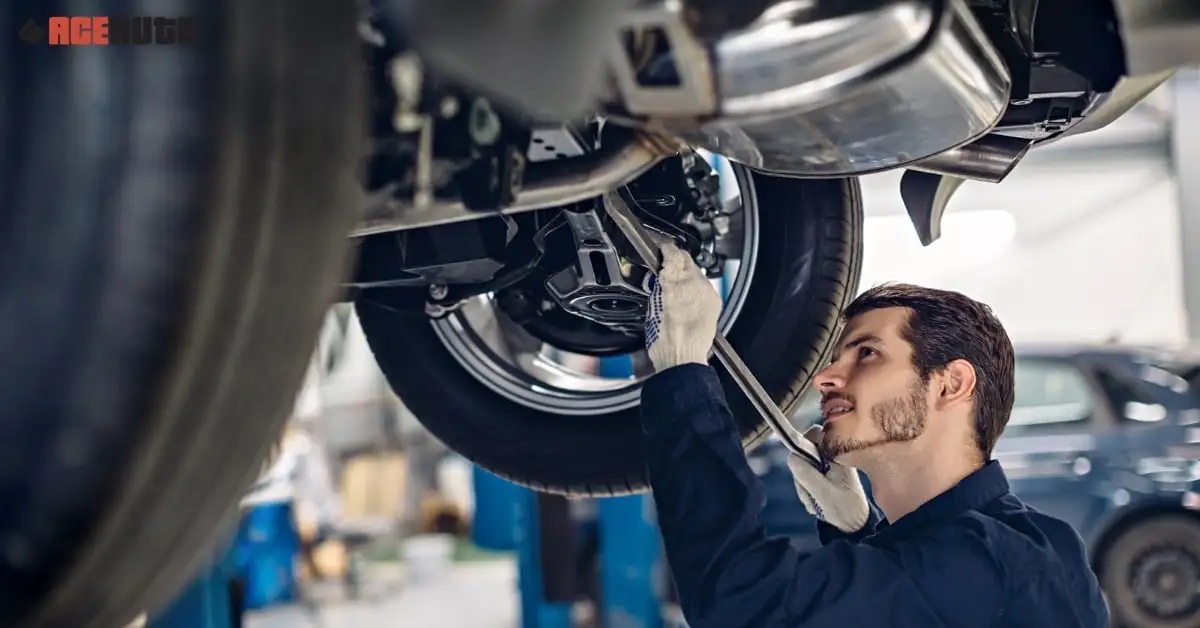
A smooth and comfortable driving experience depends on many parts working together, and the suspension system is one of the most important. Many drivers only think about their tires, engine, or brakes when maintaining their vehicle, but suspension problems can affect safety, handling, comfort, and even tire life.
Knowing when to repair suspension car issues can help prevent expensive repairs and keep your vehicle performing properly. A damaged suspension system does not always fail suddenly. In many cases, it starts with small warning signs such as unusual noises, uneven tire wear, or a vehicle that feels unstable on the road.
In this guide, we will explain how the suspension system works, common problems, warning signs, repair solutions, costs, and maintenance tips. This information will help you understand when your vehicle needs attention and why professional inspection is important.
Content
What Is a Car Suspension System?
The vehicle suspension system is a combination of components that connects your car’s body to its wheels. Its main purpose is to absorb road impacts, improve stability, and provide better control while driving.
A typical suspension system includes:
Shock absorbers
Struts
Springs
Control arms
Ball joints
Bushings
Suspension links
These parts work together to keep your tires in contact with the road. When the suspension is working correctly, your car feels balanced, comfortable, and easier to control.
However, over time, suspension components experience wear and tear due to rough roads, heavy loads, driving habits, and regular use.
Why Is Suspension Repair Important?
Ignoring suspension problems can create bigger issues beyond an uncomfortable ride. A damaged suspension system may affect:
Vehicle stability
Steering control
Braking performance
Tire lifespan
Driving comfort
For example, worn shock absorbers can reduce your car’s ability to stay stable when turning or stopping suddenly. This can become a safety concern, especially during bad weather or highway driving.
Many drivers delay repairs because the car still moves, but a small suspension issue can develop into a more expensive repair later.
Common Suspension Problems in Cars
Understanding common suspension problems in cars can help you identify issues early.
1. Worn Shock Absorbers and Struts
Shock absorbers and struts control the movement of your vehicle when driving over bumps or uneven surfaces.
Signs of worn shocks or struts include:
Excessive bouncing after hitting bumps
Vehicle leaning during turns
Longer stopping distance
Uneven tire wear
When these parts become weak, the car may feel unstable and uncomfortable. Replacing damaged shocks or struts is often necessary to restore proper handling.
2. Uneven Tire Wear
Many people think uneven tire wear is only caused by bad tires, but suspension issues can also be responsible.
A damaged suspension system can prevent tires from making proper contact with the road. This may cause:
Inside or outside tire wear
Reduced tire performance
Alignment problems
If you notice unusual tire patterns, it is a good idea to check both your tires and suspension components.
3. Strange Noises While Driving
One of the most common signs that you may need to repair suspension car problems is hearing unusual sounds.
Common suspension-related noises include:
Clunking sounds over bumps
Squeaking noises
Knocking during turns
These sounds may indicate worn bushings, loose suspension parts, or damaged components.
A professional mechanic can inspect the system and identify the exact cause.
4. Poor Vehicle Handling
A healthy suspension system helps your car respond properly to steering movements. If your vehicle feels difficult to control, suspension problems may be the reason.
You may notice:
The car pulling to one side
Excessive body movement
Poor cornering performance
Steering feeling loose
These symptoms should not be ignored because they affect driving confidence and safety.
Signs Your Car Suspension Needs Repair
Knowing the signs your car suspension needs repair can help you take action before major damage occurs.
Look out for these warning signs:
Your Car Feels Unstable
If your vehicle feels like it is moving too much after bumps or turns, the suspension may not be controlling movement properly.
Your Ride Becomes Uncomfortable
A sudden increase in vibration, shaking, or harsh driving usually indicates suspension wear.
Your Vehicle Sits Unevenly
If one side of your car appears lower than the other, there could be a damaged spring or suspension component.
Steering Problems Appear
Difficulty controlling the vehicle or unusual steering behavior can be connected to suspension damage.
How to Repair Suspension Car Problems
Many people search for how to repair suspension car problems, but the repair process depends on which parts are damaged.
Replacing only damaged parts can restore vehicle performance without unnecessary costs.
3. Wheel Alignment Check
After suspension repairs, a wheel alignment is often recommended. Proper alignment helps improve tire life and vehicle handling.
Real-Life Case Study: A Small Suspension Issue Becoming a Bigger Problem
A customer brought a five-year-old sedan to an auto repair shop because the vehicle felt uncomfortable on rough roads. The owner believed the problem was caused by old tires.
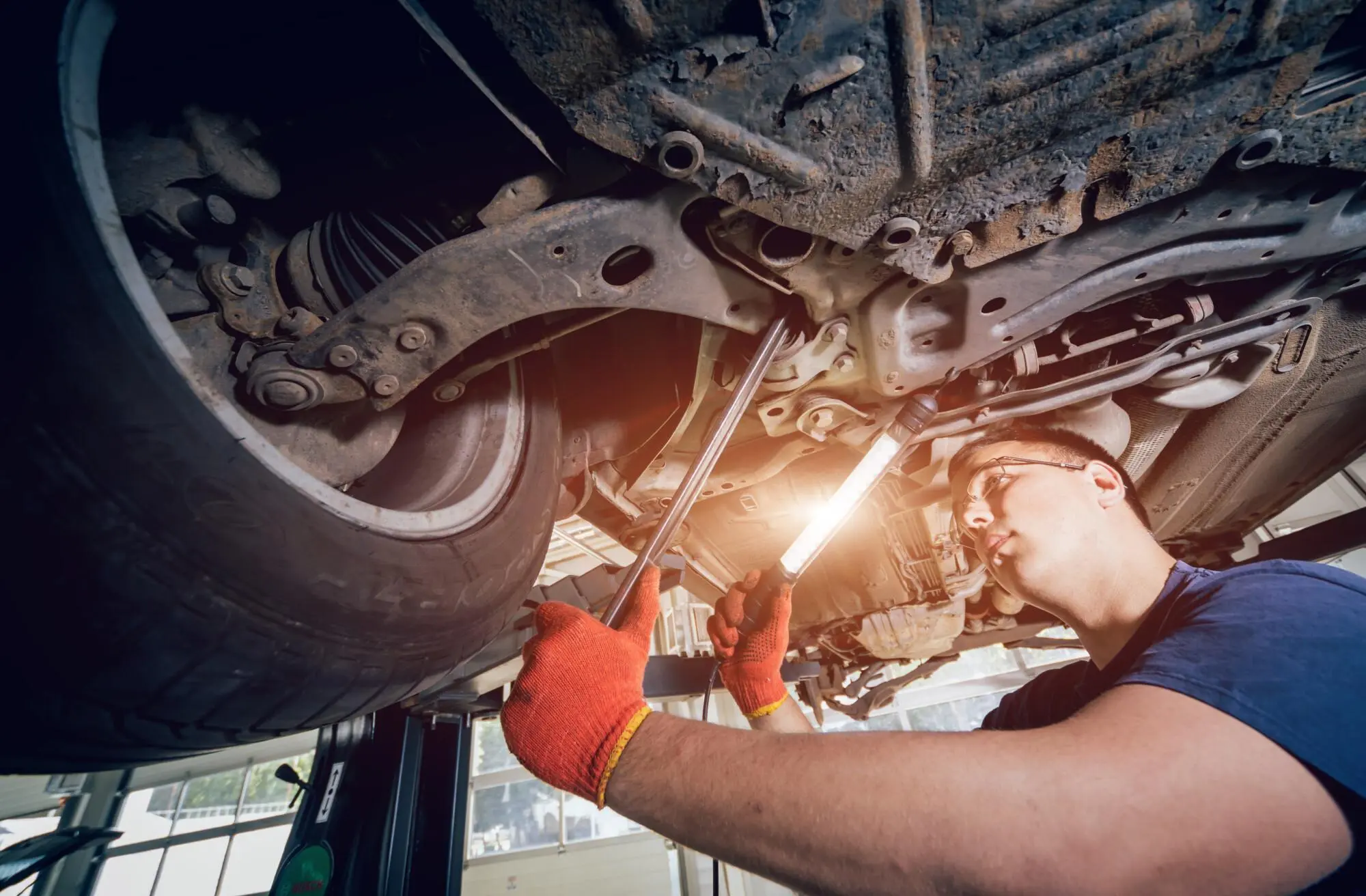
During inspection, the mechanic discovered that the rear shock absorbers were worn out and the suspension bushings were damaged.
The vehicle had:
Uneven rear tire wear
Excessive bouncing
Reduced stability during turns
The owner initially ignored the problem because the car was still running. After replacing the damaged suspension parts and completing alignment, the difference was noticeable immediately. The vehicle became smoother, quieter, and more stable.
This example shows why early inspection matters. A simple repair can prevent additional damage to tires and other components.
How Much Does It Cost to Repair Car Suspension?
Many drivers ask, how much does it cost to repair suspension car? The answer depends on several factors:
Vehicle model
Damaged parts
Labor costs
Replacement part quality
Small repairs such as replacing bushings may cost less, while replacing multiple suspension components can be more expensive.
The best approach is to get a proper inspection before replacing parts. A trusted mechanic can identify what actually needs repair instead of replacing unnecessary components.
Suspension Maintenance Tips to Prevent Future Problems
Correct tire pressure and proper rotation reduce stress on suspension components.
Avoid Rough Driving
Constantly driving over potholes, speed bumps, and damaged roads can accelerate suspension wear.
Inspect Your Vehicle Periodically
Regular inspections help detect damaged and repair car suspension parts before they become major problems.
Pay Attention to Warning Signs
Do not ignore unusual noises, vibration, or handling changes. Early action can save money.
When Should You Repair Your Car Suspension System?
Many drivers wonder when should you repair suspension car system. The answer depends on the symptoms.
You should consider inspection if:
Your vehicle feels unstable
You hear suspension noises
Tires wear unevenly
Driving comfort decreases
The car does not handle like before
Suspension problems usually become worse over time, so delaying repair car suspension is rarely beneficial.
Final Thoughts
A properly working suspension system is essential for a safe, comfortable, and controlled driving experience. Learning how to identify suspension issues can help you avoid expensive repairs and maintain better vehicle performance.
Whether you notice unusual sounds, poor handling, or uneven tire wear, addressing the problem early is the smartest choice. A professional inspection can help determine whether you need minor adjustments or complete suspension repair.
Taking care of your vehicle’s suspension is not only about comfort — it is also about protecting your safety on the road.
FAQs About Repair Suspension Car
What is repair suspension car service?
Repair suspension car service fixes damaged suspension components to improve vehicle stability, comfort, and driving safety.
How often should suspension parts be checked?
Suspension parts should be inspected during regular vehicle maintenance or when you notice handling changes or unusual noises.
Can suspension problems affect fuel efficiency?
Yes, damaged suspension components can increase tire wear and rolling resistance, which may slightly affect fuel efficiency.
Is it safe to drive with suspension problems?
Driving with suspension problems can reduce control and safety, especially during braking, turning, or driving on rough roads.
Safety is Mark’s top priority. His blog isn’t just advice; it’s a guardian angel for drivers. Stay informed about the latest safety features, and drive with confidence, knowing Mark has your back.