
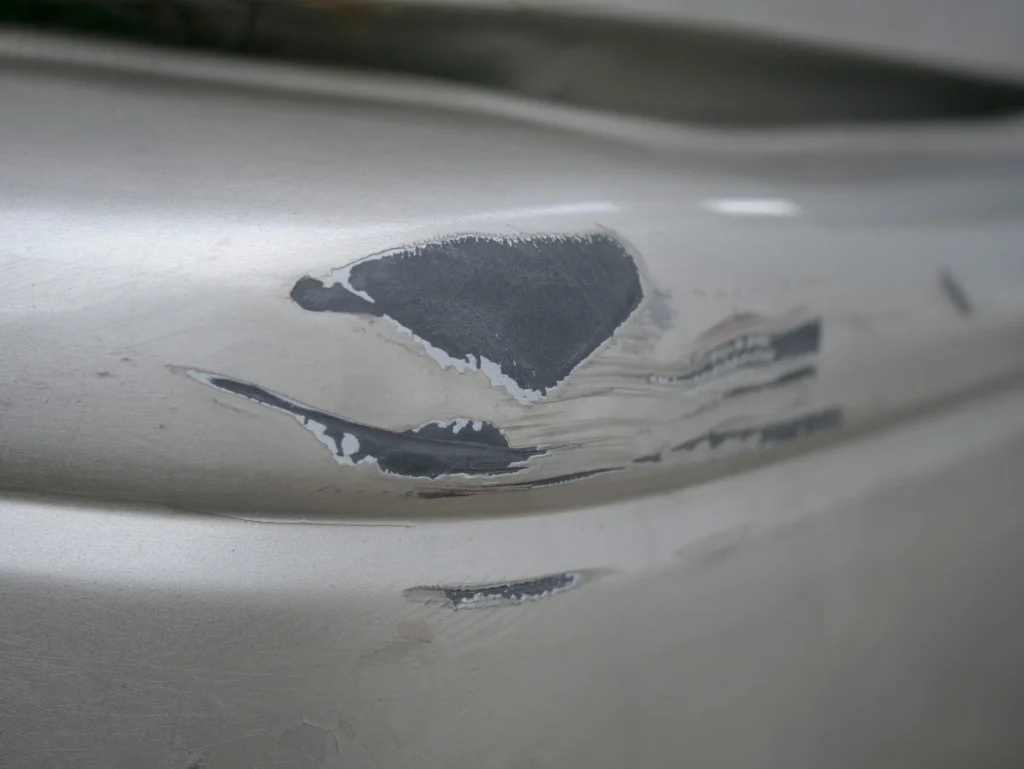
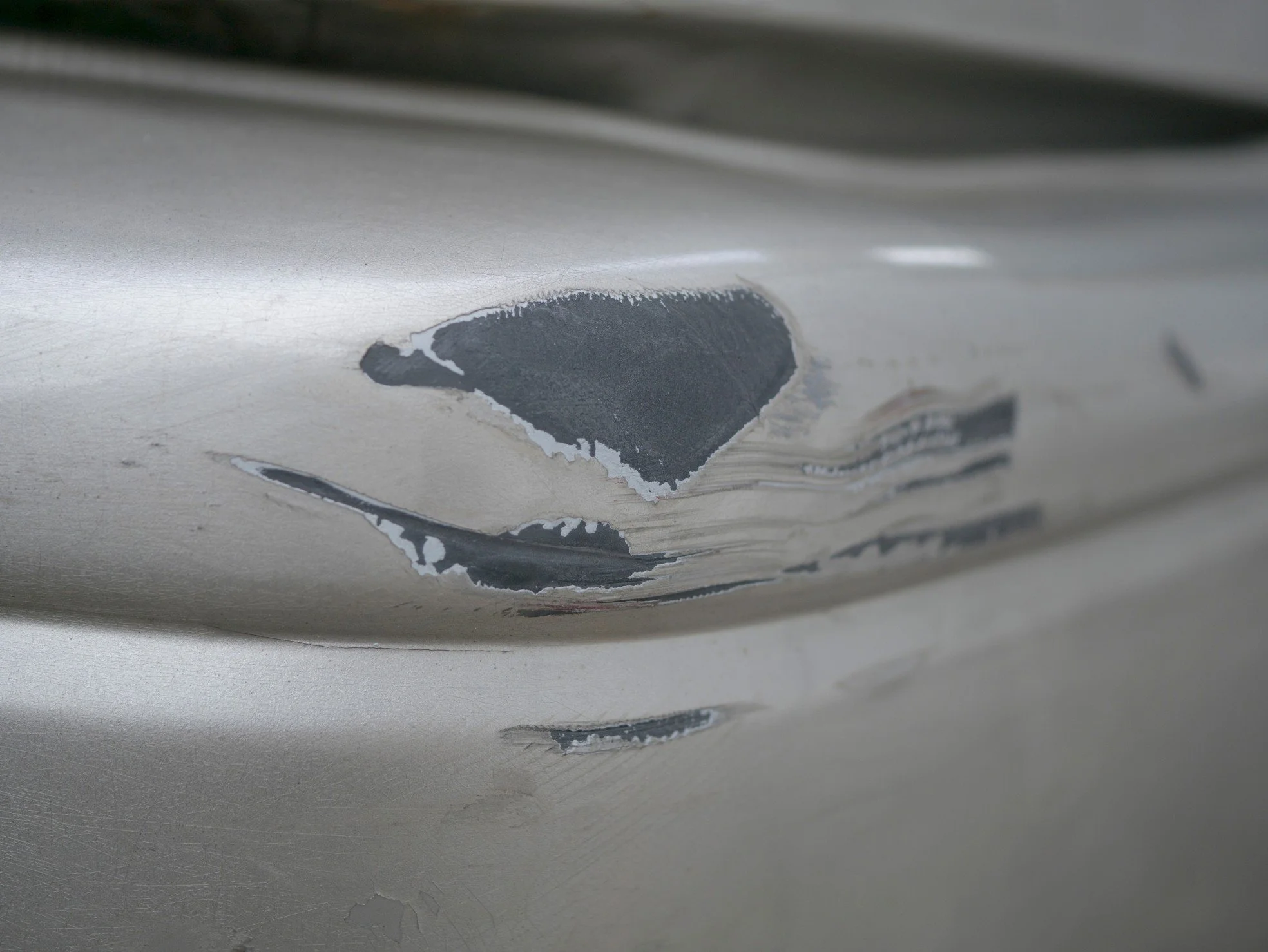
A scratch on your car can be frustrating, whether it comes from a shopping cart, a stray branch, a careless driver, or an accidental scrape while parking. While some scratches only affect the clear coat, others can expose the paint or even the metal underneath. Understanding the type of damage is the first step toward choosing the right car scratch repair method.
The good news is that not every scratch requires an expensive trip to a body shop. Many minor imperfections can be fixing the damaged components at home with the right products and techniques, while deeper damage is best left to professionals. In this guide, you’ll learn how to identify different types of scratches, the best repair methods, when to choose DIY solutions, and how to keep your vehicle looking its best for years to come.
Content
Understanding the Different Types of Car Scratches
Before attempting any car paint scratch repair, it’s important to determine how deep the scratch is. The depth of the damage will determine whether a simple polish is enough or if more extensive work is required.
Clear Coat Scratches
These are the lightest scratches and affect only the transparent protective layer covering the paint. They often appear as fine swirl marks or light scuffs.
Signs include:
- Difficult to feel with your fingernail
- Visible mainly under sunlight
- Usually removable through polishing
A proper clear coat scratch repair often involves polishing compounds or specialized scratch removers.
Paint Layer Scratches
These scratches penetrate beyond the clear coat into the colored paint layer.
Characteristics include:
- Clearly visible in daylight
- Slightly rough to the touch
- May require touch-up paint
Repairing these scratches usually involves cleaning, sanding, applying primer if needed, using touch-up paint for cars, and finishing with a protective clear coat.
Deep Primer or Metal Scratches
The deepest scratches expose the primer or bare metal underneath.
If left untreated, these scratches can lead to rust and corrosion.
Professional car body scratch repair is generally the safest solution because it restores both appearance and long-term protection.
Common Causes of Vehicle Scratches
Knowing what causes scratches can help prevent future damage.
Some common reasons include:
- Parking lot accidents
- Tree branches
- Road debris
- Keys or sharp objects
- Automatic car washes
- Improper washing techniques
- Bicycle or motorcycle contact
- Pet claws
Regular maintenance and careful parking habits significantly reduce the need for frequent vehicle scratch removal.
How to Repair Car Scratches at Home
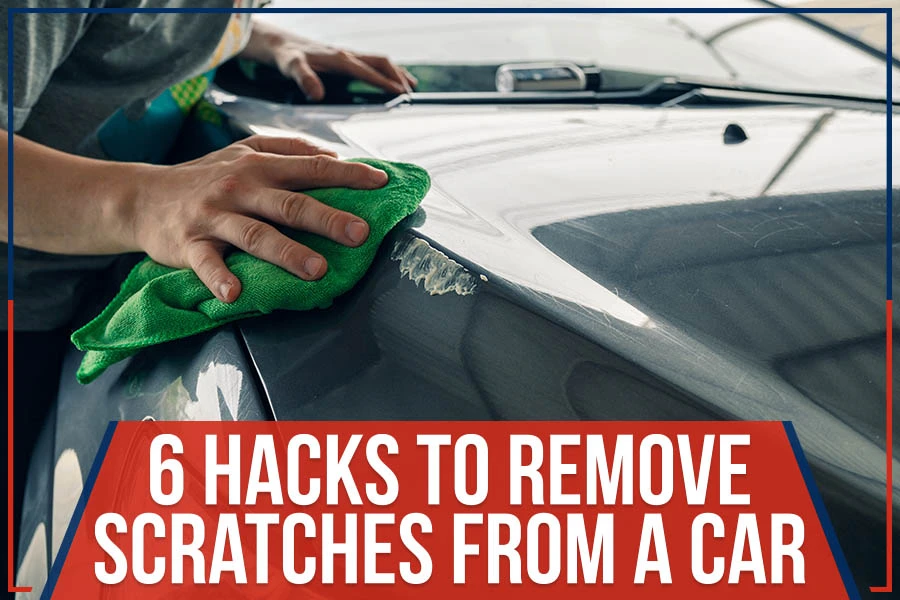
Many drivers wonder how to repair car scratches at home without spending hundreds of dollars. The answer depends on the scratch depth.
Step 1: Wash the Area
Always begin by thoroughly cleaning the damaged area using automotive shampoo and a microfiber cloth.
Dirt trapped during repairs can create additional scratches.
Step 2: Inspect the Damage
Run your fingernail across the scratch.
If your nail doesn’t catch, polishing may be enough.
If it catches slightly, you may need paint correction or touch-up paint.
Step 3: Use a Scratch Repair Kit
A quality scratch repair kit typically includes:
- Rubbing compound
- Polishing compound
- Applicator pads
- Sandpaper
- Finishing polish
These kits work well for light to moderate scratches.
Step 4: Polish the Surface
Using a polishing compound helps remove oxidation and blends the repaired area with the surrounding paint.
Many cases of light auto scratch repair can be completed in under an hour.
Step 5: Apply Protective Wax
Once repaired, apply wax or paint sealant to protect the finish from UV rays and contaminants.
Best Car Scratch Repair Methods
There isn’t a one-size-fits-all solution. The best car scratch repair methods depend on the severity of the damage.
| Scratch Type | Recommended Repair |
| Light clear coat scratches | Polish or rubbing compound |
| Moderate paint scratches | Touch-up paint and polishing |
| Deep scratches | Professional repainting |
| Bumper scratches | Specialized bumper scratch repair techniques |
| Metal exposure | Immediate professional repair |
Choosing the appropriate repair method prevents further paint damage and unnecessary expenses.
DIY Car Scratch Repair vs. Professional Services
One of the most common questions is whether to choose professional vs DIY car scratch repair.
DIY Car Scratch Repair
DIY repair works well when:
- The scratch is shallow.
- No primer or metal is exposed.
- You have basic detailing tools.
- You enjoy learning automotive maintenance.
Following a DIY car scratch repair step by step process can restore minor scratches surprisingly well.
Professional Car Scratch Repair
Choose professional car scratch repair if:
- The scratch reaches bare metal.
- Multiple panels are damaged.
- Color matching is difficult.
- You own a luxury or premium vehicle.
- Insurance may cover the repair.
Professional technicians also perform car paint correction, ensuring a seamless finish that’s difficult to achieve at home.
How Much Does Car Scratch Repair Cost?
A common concern is how much does car scratch repair cost.
While prices vary depending on vehicle type, paint color, and damage severity, general estimates are:
- Minor polishing: $20–$100
- DIY repair kit: $25–$80
- Touch-up paint repair: $100–$300
- Professional panel repainting: $300–$1,000+
- Extensive body repair: $1,000 or more
Investing in early repairs often prevents more expensive restoration work later.
Best Products for Car Scratch Repair
Selecting the best products for car scratch repair improves your chances of achieving professional-looking results.
Look for products that include:
- Scratch remover
- Polishing compound
- Microfiber cloth
- Applicator pads
- Paint correction polish
- Automotive wax
- Paint sealant
Always choose products compatible with your vehicle’s paint system.
Real-Life Case Study: Saving a Family SUV from Costly Repairs
A neighbor accidentally scraped the side of his two-year-old SUV while pulling into a narrow garage. At first glance, the long scratch looked severe, and he assumed the entire door would need repainting.
After washing the vehicle and inspecting the damage, we found that most of the mark was limited to the clear coat. Using a scratch repair kit, a polishing compound, and careful buffing, nearly 90% of the damage disappeared. Only a small section required touch-up paint.
The entire repair took about two hours and cost less than the price of a professional inspection. More importantly, addressing the damage quickly prevented moisture from reaching the paint layers, preserving the vehicle’s appearance and resale value.
This experience shows why correctly identifying the scratch type is often more important than rushing into expensive repairs.
Common Mistakes to Avoid
Many DIY repairs fail because of simple mistakes.
Avoid these common errors:
- Repairing a dirty surface
- Using household abrasives
- Applying too much polishing compound
- Skipping paint protection afterward
- Ignoring deep scratches
- Using incorrect paint colors
- Sanding aggressively without experience
Patience and proper preparation produce better results.
How to Prevent Scratches on Car Paint
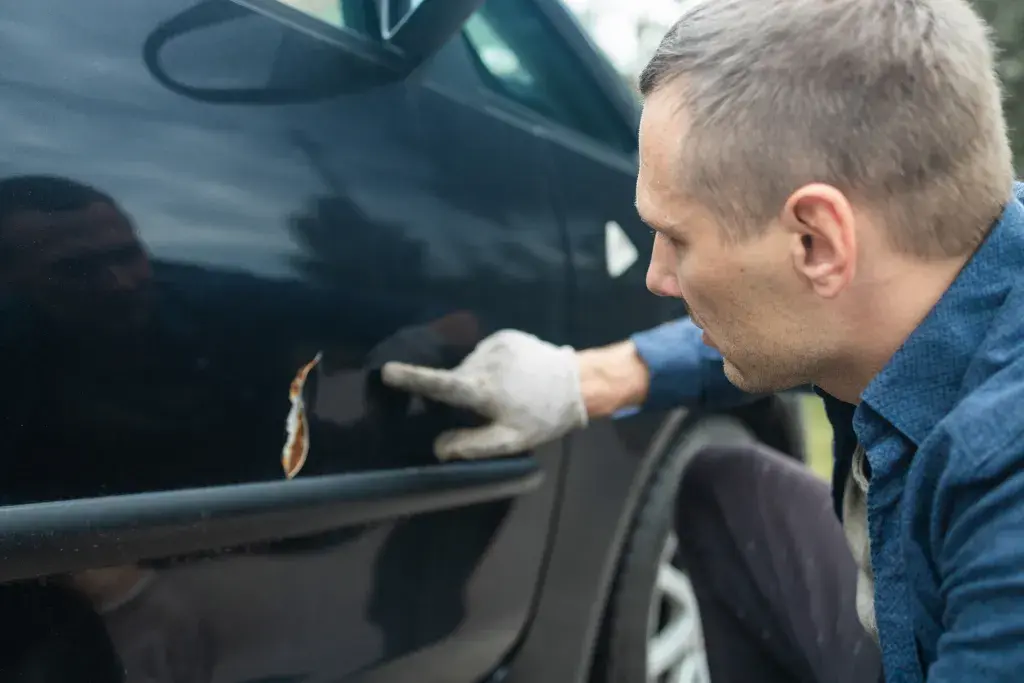
Learning how to prevent scratches on car paint is easier than repairing them.
Follow these tips:
- Wash your car using microfiber mitts.
- Avoid automatic brushes at car washes.
- Park away from crowded areas.
- Remove bird droppings promptly.
- Apply ceramic coating or paint sealant.
- Use proper drying towels.
- Keep tree branches trimmed near parking spaces.
Preventive care extends your vehicle’s finish and reduces future repair costs.
Final Thoughts
Every scratch tells a story, but it doesn’t have to become a permanent mark on your vehicle. Whether you’re dealing with a light surface blemish or deeper paint damage, understanding the right car scratch repair approach can save both time and money.
Minor scratches can often be restored with careful DIY methods, while severe damage deserves professional attention. By identifying the scratch correctly, using quality products, and maintaining your vehicle regularly, you can preserve its appearance, protect its paint, and maintain its long-term value. Taking action early is always the smartest way to keep your car looking like new.
Frequently Asked Questions
What is car scratch repair?
Car scratch repair is the process of removing or reducing scratches using polishing, touch-up paint, or professional refinishing techniques.
Can I repair car scratches at home?
Yes. Many light scratches can be repaired at home using a quality scratch repair kit and proper techniques.
How do I know if a scratch is too deep to fix myself?
If the scratch exposes primer or bare metal, professional repair is usually recommended.
Does toothpaste really remove car scratches?
Toothpaste may slightly reduce very light surface marks, but it is not a reliable long-term repair solution.
How can I keep my car from getting scratched again?
Regular washing, careful parking, paint protection products, and avoiding abrasive car washes help minimize future scratches.

Safety is Mark’s top priority. His blog isn’t just advice; it’s a guardian angel for drivers. Stay informed about the latest safety features, and drive with confidence, knowing Mark has your back.