
Learning how to drive a manual car can seem intimidating at first, especially when you’re trying to coordinate the clutch pedal, accelerator, brake, and gear shifter all at once. I remember my first lesson in a manual transmission car—I stalled the engine three times before I even left the parking lot. It felt frustrating, but after understanding the basics of clutch control and practicing consistently, driving a stick shift became second nature.
The good news is that anyone can learn. Whether you’re preparing for your driving test or simply want to expand your driving skills, this guide will walk you through how to drive a manual car step by step using simple language and practical tips.
Content
What Is a Manual Car?
A manual car, often called a stick shift car, requires the driver to change gears manually using a gear shifter and operate a clutch pedal. Unlike an automatic vehicle, a manual gearbox gives you direct control over gear selection, making driving more engaging and, in many cases, more fuel-efficient.
Many experienced drivers still prefer a manual transmission because it offers greater control on steep roads, slippery conditions, and during overtaking.
Why Learn to Drive a Manual Car?
Knowing how to drive a manual car for beginners offers several long-term advantages:
- Better control over the vehicle
- Improved understanding of how a car works
- Lower maintenance costs in many cases
- Better fuel efficiency in certain driving conditions
- Ability to drive both manual and automatic vehicles
If you ever travel or rent a car in countries where manual cars are common, this skill becomes even more valuable.
Understanding the Three Pedals
Before starting the engine, become familiar with the pedals.
Clutch Pedal
Located on the far left, the clutch pedal disconnects the engine from the wheels while you change gears.
Brake Pedal
The middle pedal slows or stops the vehicle.
Accelerator
The right pedal controls speed by increasing engine power.
A simple way to remember them is:
Left = Clutch
Middle = Brake
Right = Accelerator
Practicing this position while the engine is off helps build muscle memory.
Understanding the Gear Shifter
Every manual car has a gear pattern, usually showing:
- First Gear
- Second Gear
- Third Gear
- Fourth Gear
- Fifth Gear
- Sixth Gear (on some vehicles)
- Reverse Gear
Spend a few minutes moving the gear shifter through each position before driving. This helps you avoid looking down while changing gears.
How to Start a Manual Car Correctly
One of the most common beginner questions is how to start a manual car correctly.
Follow these steps:
- Sit comfortably and adjust your mirrors.
- Press the clutch pedal fully.
- Ensure the gear lever is in Neutral.
- Start the engine.
- Press the brake.
- Shift into first gear.
- Slowly release the clutch until you feel the clutch bite point.
- Gently press the accelerator.
- Continue releasing the clutch smoothly.
Avoid rushing. Most stalls happen because beginners release the clutch too quickly.
How to Drive a Manual Car Step by Step
If you’re wondering how to drive a manual car step by step, here’s the process every beginner should practice.
Step 1: Move Off Smoothly
Release the handbrake once you’ve reached the bite point.
Gradually add throttle while lifting the clutch.
The car should move forward without jerking.
Step 2: Build Speed
Once you’re moving comfortably, allow the car to gain speed.
Listen to the engine rather than staring at the speedometer.
Step 3: Change to Second Gear
Many learners ask how to change gears in a manual car.
The process is simple:
- Lift your foot off the accelerator.
- Press the clutch fully.
- Move the gear lever into second gear.
- Release the clutch gradually.
- Press the accelerator again.
Repeat the same method when changing gears into higher gears.
How to Use the Clutch in a Manual Car
Understanding how to use the clutch in a manual car is the biggest challenge for new drivers.
Think of the clutch as a bridge between the engine and the wheels.
When the clutch is fully pressed:
- Engine power is disconnected.
When released slowly:
- Power transfers smoothly.
When released suddenly:
- The engine usually stalls.
The key is learning the clutch control needed to find the bite point consistently.
How to Drive a Manual Car Without Stalling
Many new drivers search for how to drive a manual car without stalling because it’s the most common beginner mistake.
To avoid stalling:
- Release the clutch slowly.
- Don’t panic if the engine vibrates.
- Add gentle acceleration.
- Practice in an empty parking lot.
- Keep your eyes ahead instead of watching your feet.
Remember that nearly every experienced manual driver stalled their car while learning.
How to Drive a Manual Car in Traffic
Driving in heavy traffic requires patience.
If you’re learning how to drive a manual car in traffic, try these tips:
- Leave extra space between vehicles.
- Stay in first or second gear at low speeds.
- Avoid riding the clutch continuously.
- Anticipate stops instead of braking suddenly.
- Use smooth clutch control when crawling forward.
The more relaxed you remain, the smoother your driving becomes.
Mastering Hill Starts
A hill start is often the biggest fear for beginners.
Here’s a reliable method:
- Stop with the brake applied.
- Engage first gear.
- Find the clutch bite point.
- Release the handbrake.
- Press the accelerator gently.
- Release the clutch smoothly.
Practice on gentle slopes before attempting steeper hills.
Using Engine Braking
Many new drivers overlook engine braking.
Instead of relying only on the brakes, shifting into a lower gear allows the engine to help slow the vehicle.
Benefits include:
- Less brake wear
- Better vehicle control
- Safer downhill driving
- Smoother speed reduction
Always downshift gradually rather than skipping multiple gears.
Common Mistakes Beginners Make
Avoid these mistakes while learning:
- Releasing the clutch too quickly
- Looking at the gear lever
- Forgetting to press the clutch when stopping
- Resting your foot on the clutch pedal
- Driving in the wrong gear
- Holding the gear lever unnecessarily
- Panicking after a stall
Every mistake becomes a learning opportunity.
Manual vs. Automatic: Which Is Better?
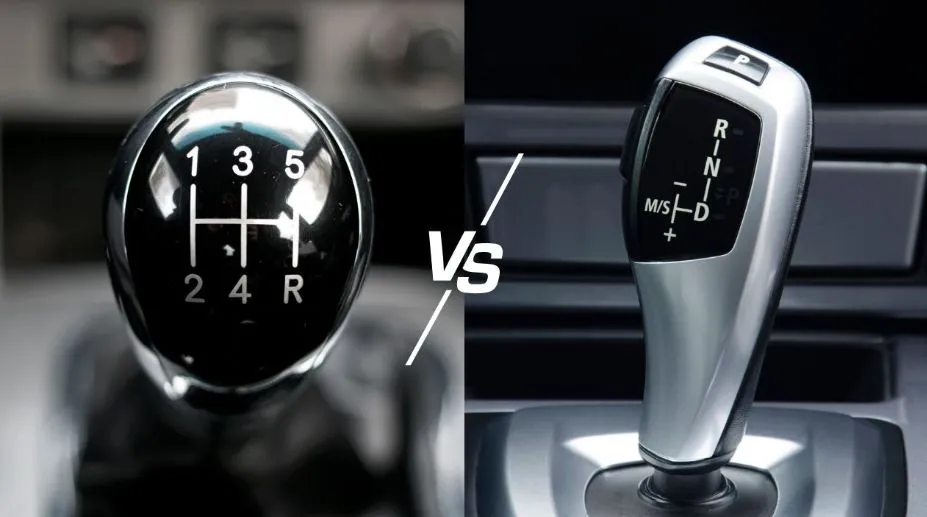
While automatic cars are easier to learn, a manual transmission provides greater driver involvement and better understanding of vehicle control.
| Manual Car | Automatic Car |
|---|---|
| Better control | Easier for beginners |
| Usually lower purchase cost | Easier in traffic |
| More engaging driving experience | Less driver workload |
| Greater gear control | Simpler to operate |
If you can confidently drive a manual, adapting to an automatic is usually straightforward.
Real-Life Case Study: From Nervous Beginner to Confident Driver
A friend of mine, Ahmed, had never driven a stick shift car before purchasing a used hatchback for commuting. During his first week, he stalled repeatedly at traffic lights and struggled with changing gears smoothly. Instead of giving up, he spent 20 minutes every evening practicing in an empty parking lot, focusing on the clutch bite point, smooth acceleration, and proper gear changes.
Within three weeks, he was confidently handling city traffic, performing hill starts, and driving without stalling. His experience highlights an important lesson: mastering a manual car isn’t about natural talent—it’s about consistent practice and understanding the fundamentals.
Pro Tips to Learn Faster
If you want to improve quickly:
- Practice on quiet roads first.
- Wear comfortable shoes with thin soles.
- Learn the sound of your engine.
- Avoid distractions while practicing.
- Focus on smoothness rather than speed.
- Practice reversing separately.
- Stay calm after making mistakes.
Confidence comes with repetition.
Final Thoughts
Learning how to drive a manual car is a valuable skill that builds confidence and gives you greater control behind the wheel. Although coordinating the clutch pedal, accelerator, and gear shifter may seem overwhelming initially, every successful manual driver started exactly where you are today.
Practice patiently, focus on smooth clutch control, and don’t let a few stalls discourage you. With time, you’ll naturally master changing gears, performing hill starts, using engine braking, and handling a manual transmission confidently. Stick with the process, and you’ll soon enjoy the rewarding experience that comes with driving a manual car smoothly and safely.
Frequently Asked Questions
Is driving a manual car difficult?
No. It feels challenging at first, but regular practice makes it much easier.
How long does it take to learn a manual car?
Most beginners become comfortable after several practice sessions, though mastering advanced techniques takes longer.
Can anyone learn to drive a manual car?
Yes. With patience and consistent practice, almost anyone can learn.
When should you change gears?
Shift gears based on engine sound, speed, and your vehicle’s recommended RPM range.
Is learning a manual car still worth it?
Absolutely. It gives you greater flexibility, improved driving skills, and the ability to drive both manual and automatic vehicles.

Safety is Mark’s top priority. His blog isn’t just advice; it’s a guardian angel for drivers. Stay informed about the latest safety features, and drive with confidence, knowing Mark has your back.