
If your car starts shaking while you are driving, it is not something to ignore. Even a light vibration can be a sign of deeper issues in the engine, tires, or suspension system. Many drivers experience this problem and immediately worry about expensive repairs, but the truth is that the cause can range from simple to serious.
In this guide, I will break down the real reasons behind this issue based on common repair experience. You will also learn how to identify symptoms early and what steps you can take before the problem gets worse.

Why Is My Car Shaking While Driving?
When people ask why is my car shaking while driving, the answer is usually related to an imbalance somewhere in the vehicle system. A car is designed to move smoothly, so any vibration means something is not working correctly.
The most common sources include engine vibration problems, wheel alignment issues, unbalanced tires, or worn suspension parts. Sometimes it is a small issue like tire pressure. Other times it can be a warning sign of engine misfire symptoms or failing engine mounts.
The key is to notice when the shaking happens. At idle, during acceleration, or only at certain speeds. This detail helps narrow down the cause.
Content
Common Engine Problems That Cause Car Shaking
Engine related issues are one of the most serious causes of vibration. When the engine does not run smoothly, the entire car can shake.

Engine misfire symptoms
A misfire happens when one or more cylinders fail to fire properly. This creates uneven power delivery, which leads to shaking. You may also notice poor acceleration or reduced fuel efficiency.
Worn spark plugs
Spark plugs ignite fuel inside the engine. If they are worn out, combustion becomes uneven. This is a common cause of engine vibration problems and should be checked regularly.
Faulty engine
Engine mounts hold the engine in place. When they wear out, the engine moves excessively and creates noticeable shaking inside the cabin.
If your car shaking while driving and check engine light on at the same time, it often points toward engine related faults like misfires or sensor issues.
Tire and Wheel Issues Behind Vehicle Vibration
Not all shaking comes from the engine. In fact, many cases are related to wheels and tires.
Unbalanced tires
One of the most common causes is unbalanced tires. Even a small weight difference can create strong vibration at higher speeds.
Wheel alignment issues
Poor alignment causes uneven tire contact with the road. This leads to pulling and shaking, especially on straight roads.
Tire damage or uneven wear
Worn or damaged tires can create instability. This is often felt as steering wheel shaking while driving, especially at certain speeds.
why is my car shaking while driving due to brake problem
If shaking happens when you slow down, the brakes may be the issue.
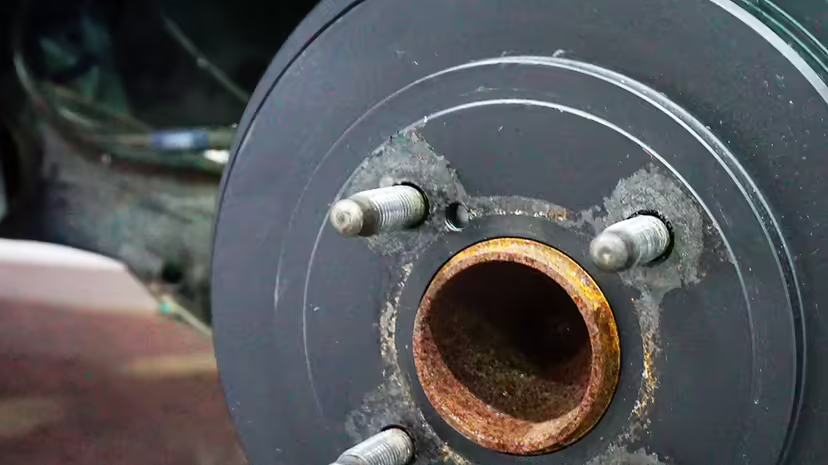
Warped brake rotors are a common cause. When the rotor surface is uneven, the brake pads cannot grip smoothly. This creates vibration in the steering wheel and pedal.
This type of shaking is usually more noticeable during braking rather than steady driving.
Suspension and Steering
The suspension system is responsible for keeping your ride stable. When parts wear out, shaking becomes more noticeable.
Loose control arms, worn bushings, or damaged shocks can all lead to instability. In many cases, drivers report steering wheel shaking while driving causes that are linked directly to suspension wear.
This type of issue usually gets worse over time if not repaired.

Why Is My Car Shaking While Driving at High Speeds?
If you notice shaking only on highways, the problem is often related to wheel or tire balance.
At higher speeds, even small imperfections become more noticeable. This is why many drivers search for why is my car shaking while driving at high speeds.
Common causes include:
- Unbalanced tires
- Bent wheels
- Uneven tire wear
- Alignment issues
If the vibration increases as speed rises, it is usually not engine related but wheel related.
You may also feel strong shaking described as car vibration when driving over 60 mph, which is a classic sign of tire imbalance.
Warning Signs You Should Never Ignore
Some symptoms suggest a more serious issue. Pay attention if you notice:
- Shaking combined with engine warning light
- Sudden loss of power
- Strong vibration during acceleration
- Unusual engine noise
- Fuel efficiency dropping quickly
These signs often indicate deeper mechanical problems that need immediate attention.
How to Fix a Car That Is Shaking While Driving
Understanding how to fix a car that shakes while driving depends on identifying the root cause.
Here is a simple approach:
- Check tire pressure first
- Inspect tires for visible damage
- Get wheel balancing done
- Check alignment if steering feels off
- Scan engine for error codes
- Inspect spark plugs and engine mounts
Some fixes are simple and affordable, while others may require a mechanic.
Regular maintenance can prevent many of these issues before they start.
Real Life Case Study
A driver I worked with had a mid size sedan that started shaking during highway driving. At first, he ignored it, thinking it was just road conditions. Over time, the vibration became worse and started happening at lower speeds as well.
When inspected, the issue turned out to be two problems working together. The front tires were severely unbalanced, and one engine mount was damaged.
After replacing the engine mount and balancing all four tires, the car became smooth again. The total repair cost was far lower than expected because the issue was caught before it damaged other parts.
This is a good example of why early diagnosis matters. Small vibrations can quickly turn into larger repair bills if ignored.
Is It Safe to Drive a Shaking Car?
Driving with mild vibration for a short distance is sometimes possible, but it is not recommended for long periods.
If the shaking is strong or getting worse, it can affect control of the vehicle. In some cases, it may even lead to tire failure or engine damage.
If the car feels unstable, it is best to stop driving and get it inspected.
Conclusion
A shaking car is more than just an annoyance. It is a warning sign that something is not working correctly. Whether it is engine vibration problems, unbalanced tires, or suspension wear, the key is to diagnose it early.
If you notice symptoms like car shaking while driving, especially at higher speeds or during acceleration, do not delay inspection. Simple maintenance today can prevent expensive repairs tomorrow.
Understanding the cause and acting quickly will keep your driving safe, smooth, and stress free.
Frequently Asked Questions
Why does my car shake at certain speeds?
This is usually caused by tire imbalance or wheel alignment issues.
Can bad tires cause shaking?
Yes, worn or uneven tires are one of the most common reasons for vibration.
What does it mean if shaking gets worse when I accelerate?
It can point to engine misfire symptoms or drive train issues.
How much does it cost to fix a shaking car?
It depends on the cause. Tire balancing is low cost, while engine or suspension repairs can be hig

Safety is Mark’s top priority. His blog isn’t just advice; it’s a guardian angel for drivers. Stay informed about the latest safety features, and drive with confidence, knowing Mark has your back.