
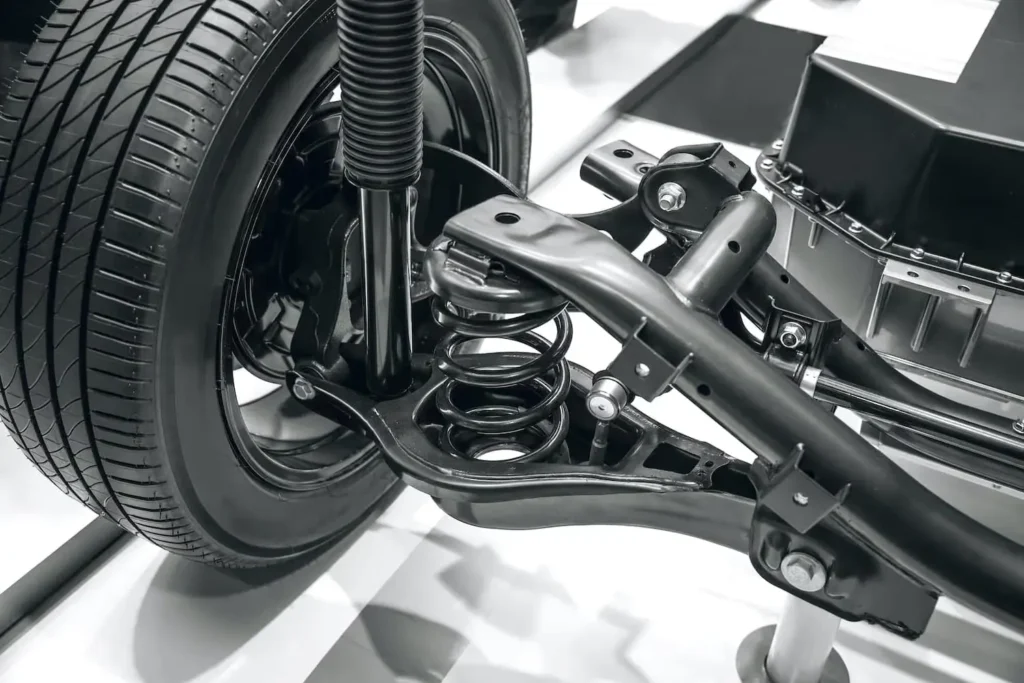
A smooth ride is something most drivers expect, but few stop to think about the system that makes it possible. Your automotive suspension does much more than soften bumps in the road. It keeps your tires in contact with the pavement, improves steering control, and helps your vehicle stay stable during braking and cornering.
Whether you drive every day for work, enjoy weekend road trips, or simply want your vehicle to last longer, understanding your automotive suspension system can save you money and improve safety. In this guide, you’ll learn what is an automotive suspension system, how it works, the main suspension components, common problems, maintenance tips, and when repairs become necessary.
Content
What Is an Automotive Suspension System?
If you’ve ever wondered what is an automotive suspension system, the answer is simple: it’s the collection of parts that connects your vehicle to its wheels while absorbing road impacts and maintaining tire contact with the road.
Instead of allowing every pothole or speed bump to shake the entire vehicle, the suspension absorbs much of the force. This creates a smoother ride while improving vehicle handling, braking performance, and overall driving safety.
Without a properly functioning car suspension system, even a well-maintained vehicle can become uncomfortable and difficult to control.
How Does an Automotive Suspension System Work?
Many drivers ask, how does an automotive suspension system work?
The suspension works by combining springs, dampers, and control components to manage wheel movement. When a wheel encounters a bump, the suspension compresses to absorb the impact before returning the wheel to its normal position.
The process helps:
- Reduce vibrations
- Maintain tire contact with the road
- Improve steering response
- Increase ride comfort
- Enhance suspension safety
- Prevent excessive body roll
Every part works together to provide a balance between comfort and control.
Automotive Suspension Components Explained
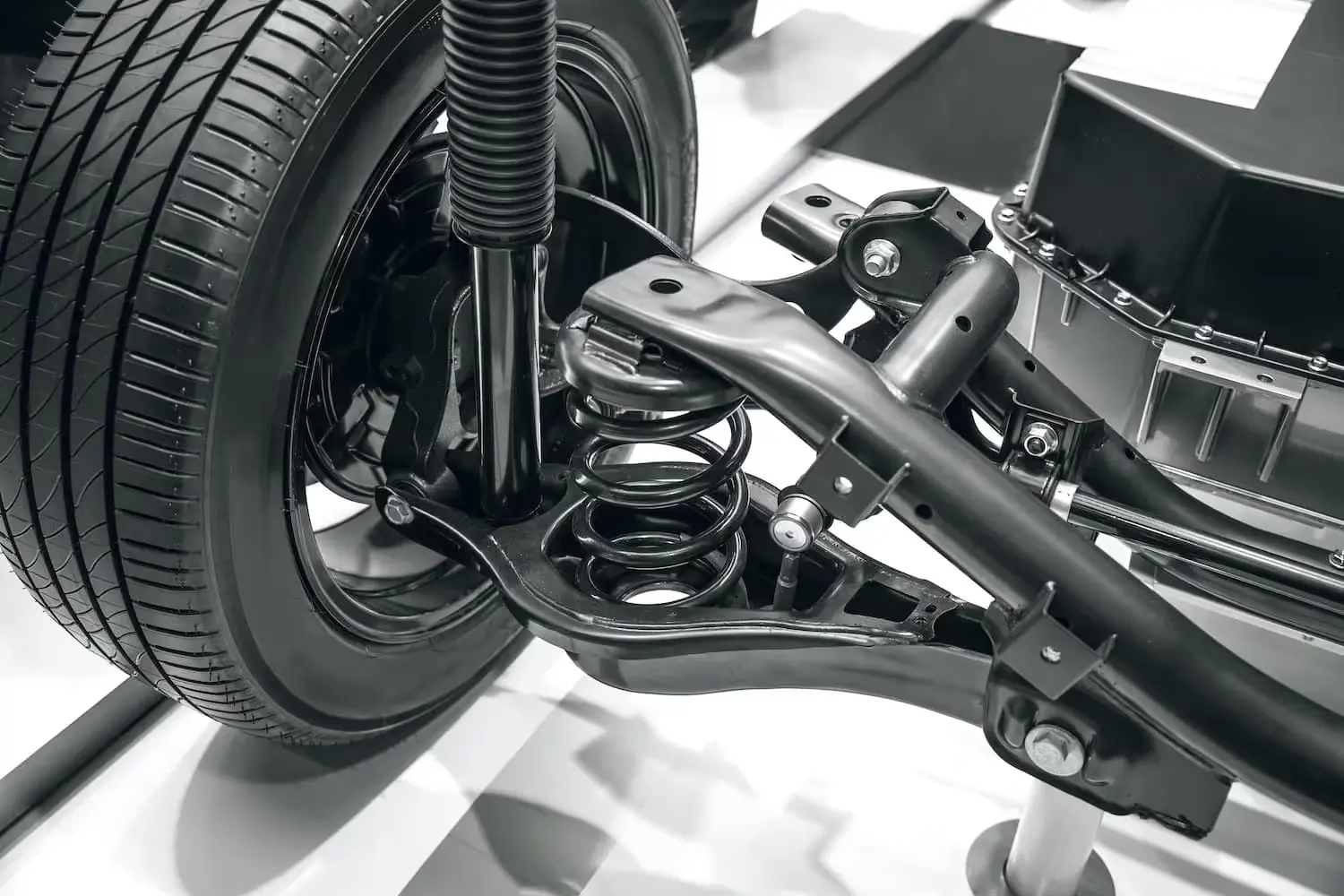
Understanding automotive suspension components explained helps you recognize problems before they become expensive repairs.
| Component | Purpose |
|---|---|
| Shock absorbers | Reduce bouncing after hitting bumps |
| Shocks and struts | Control spring movement and stabilize the vehicle |
| Suspension springs | Support vehicle weight and absorb impacts |
| Control arms | Connect the wheels to the frame while allowing movement |
| Ball joints | Allow smooth steering and suspension movement |
| Bushings | Reduce vibration between suspension parts |
| Sway bar | Minimizes body roll during turns |
These suspension components work together to create a comfortable and stable driving experience.
Types of Automotive Suspension Systems
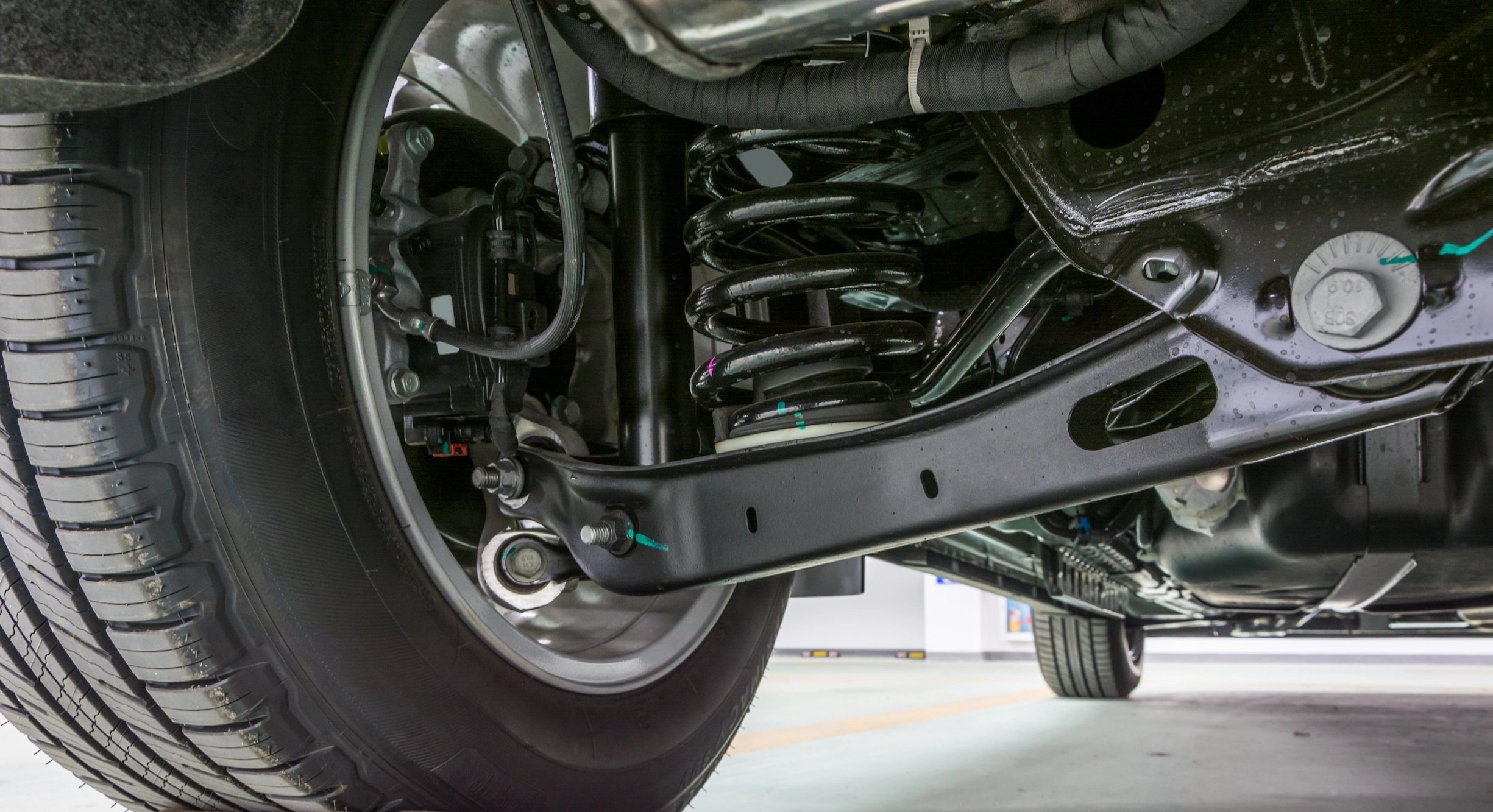
Different vehicles use different suspension designs depending on performance, comfort, and intended use.
Independent Suspension
Independent suspension allows each wheel to move separately.
Advantages include:
- Better ride comfort
- Improved handling
- Less vibration
- Better traction on uneven roads
Solid Axle Suspension
When comparing independent vs solid axle suspension, solid axles connect both wheels with one axle.
Benefits include:
- Higher durability
- Better load capacity
- Lower maintenance costs
- Common in trucks and off-road vehicles
Choosing between the two depends on your driving needs.
Common Automotive Suspension Problems
Recognizing common automotive suspension problems early can prevent costly repairs.
Some of the most frequent issues include:
- Worn shock absorbers
- Damaged control arms
- Broken suspension springs
- Loose ball joints
- Cracked bushings
- Bent sway bar
- Poor wheel alignment
Ignoring these issues often leads to uneven tire wear and reduced vehicle control.
Signs of a Bad Suspension System
Knowing the signs of a bad suspension system helps you act before safety becomes a concern.
Watch for these warning signs:
- Vehicle pulls to one side
- Excessive bouncing after bumps
- Nose dives during braking
- Uneven tire wear
- Steering feels loose
- Clunking noises over bumps
- Vehicle leans excessively in corners
If you notice several of these symptoms together, schedule a suspension inspection as soon as possible.
Difference Between Shocks and Struts
Many drivers confuse these two parts.
The difference between shocks and struts is that shock absorbers primarily control spring movement, while struts combine the shock absorber with a structural suspension component.
Although both improve ride quality, they are not always interchangeable.
Replacing worn shocks and struts at the recommended interval helps maintain safe handling and braking.
How to Maintain Your Automotive Suspension
Learning how to maintain your automotive suspension is one of the best ways to extend its lifespan.
Follow these maintenance tips:
- Inspect tires regularly.
- Keep tires properly inflated.
- Schedule regular wheel alignment checks.
- Replace worn shocks promptly.
- Avoid hitting potholes whenever possible.
- Don’t overload your vehicle.
- Have your suspension inspected during routine servicing.
Preventive maintenance almost always costs less than major suspension repairs.
Suspension Maintenance Checklist
A simple suspension maintenance checklist can keep your vehicle in excellent condition.
Check the following every few months:
- Tire wear pattern
- Fluid leaks around shocks
- Suspension noises
- Steering response
- Ride comfort
- Visible damage to springs
- Loose or cracked bushings
Professional inspections once a year are also recommended, especially if you frequently drive on rough roads.
How to Inspect a Car Suspension System
Many owners ask how to inspect a car suspension system at home.
Start with a visual inspection.
Look for:
- Oil leaking from shocks
- Broken springs
- Torn bushings
- Rust damage
- Loose components
Next, perform the bounce test by pressing down firmly on each corner of the vehicle. If it continues bouncing after you release it, worn shocks may be the cause.
While these checks are helpful, a professional mechanic can identify hidden wear more accurately.
When Should You Replace Suspension Components?
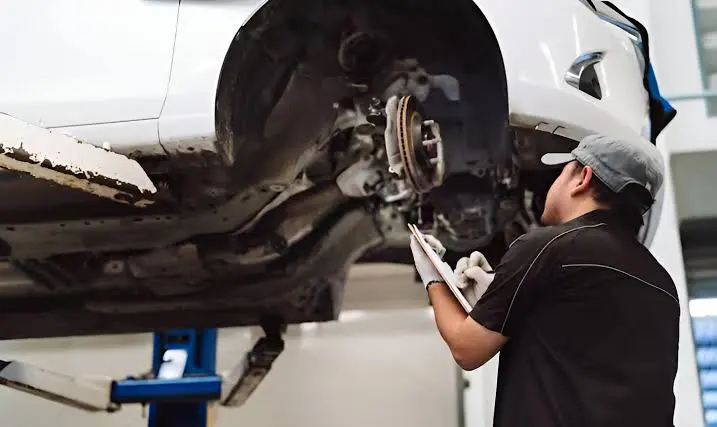
One common question is when should you replace suspension components.
There is no universal mileage because driving conditions vary.
However, replacement becomes necessary when:
- Parts show visible wear
- Ride quality decreases
- Steering becomes unstable
- Suspension noises increase
- Tires wear unevenly
- Inspection reveals damaged components
Addressing problems early often prevents additional damage to steering or braking systems.
How Long Do Suspension Components Last?
Drivers often ask, how long do suspension components last.
Although every vehicle is different, many suspension parts can last between 50,000 and 100,000 miles, depending on road conditions, driving habits, and maintenance.
Vehicles driven on rough roads may require earlier replacement of shock absorbers, bushings, and ball joints.
Routine maintenance significantly extends component life.
How Suspension Affects Vehicle Handling
Understanding how suspension affects vehicle handling explains why maintenance is so important.
A healthy vehicle suspension helps:
- Improve cornering stability
- Shorten braking distance
- Keep tires firmly on the road
- Increase steering precision
- Reduce driver fatigue
- Enhance overall driving confidence
Even premium tires cannot perform properly if the suspension system is worn.
Real-Life Case Study
A friend of mine owned a midsize SUV that had accumulated nearly 80,000 miles. Over several months, he noticed the vehicle bouncing more than usual after speed bumps and the steering felt less responsive. He initially assumed the tires were the problem.
During a scheduled service, the mechanic found worn shocks and struts, deteriorated bushings, and poor wheel alignment. After replacing the worn suspension parts and performing a full alignment, the difference was immediate. The SUV handled corners more confidently, braking felt smoother, and tire wear became even again.
The repair also prevented premature tire replacement, saving hundreds of dollars over the following year. This experience shows why regular suspension maintenance is an investment rather than an expense.
Final Thoughts
Your automotive suspension is one of the most important systems in your vehicle, affecting everything from comfort to safety. Understanding how does an automotive suspension system work, recognizing common automotive suspension problems, and following a consistent complete automotive suspension maintenance guide can help you avoid expensive repairs and enjoy a smoother ride.
Simple habits like regular inspections, timely replacement of worn suspension components, and proper wheel alignment go a long way toward improving ride quality, extending tire life, and keeping your vehicle safe on every journey.
Frequently Asked Questions
What does an automotive suspension system do?
An automotive suspension system absorbs road impacts, supports the vehicle’s weight, improves ride comfort, and keeps the tires in contact with the road for better handling.
How often should suspension components be inspected?
A professional suspension inspection is recommended at least once a year or whenever you notice unusual noises, uneven tire wear, or poor handling.
Can you drive with a bad suspension?
While it may still be possible, driving with a worn suspension reduces vehicle control, increases stopping distance, and accelerates tire wear, making it unsafe.
What is the difference between shocks and struts?
Shock absorbers reduce bouncing, while struts combine shock absorption with structural support as part of the suspension assembly
How can I make my suspension last longer?
Regular maintenance, avoiding potholes, maintaining correct tire pressure, performing timely wheel alignment, and replacing worn parts early all help extend suspension life.

Safety is Mark’s top priority. His blog isn’t just advice; it’s a guardian angel for drivers. Stay informed about the latest safety features, and drive with confidence, knowing Mark has your back.