
A car air conditioner is something most drivers don’t think about until it stops working properly. You turn on the AC expecting cold air, but instead, you feel warm air blowing from the vents. In many cases, the problem is not the AC system itself but a hidden issue a refrigerant leak.
A refrigerant leak can slowly reduce your car’s cooling performance, put extra pressure on AC components, and eventually lead to expensive repairs if ignored. Understanding the causes, warning signs, and repair process can help you avoid unnecessary costs and keep your vehicle comfortable in every season.
In this guide, we’ll explain everything you need to know about car ac refrigerant leak repair, including how leaks happen, how professionals detect them, repair options, and practical maintenance tips.
Content
What Is a Car AC Refrigerant Leak?
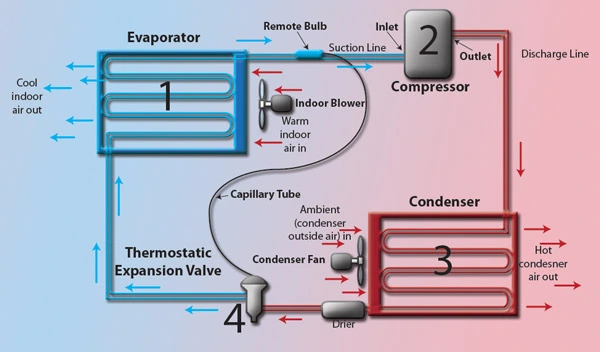
A car AC system works by circulating refrigerant through different components, including the compressor, condenser, evaporator, and hoses. This refrigerant absorbs heat from inside the vehicle and releases it outside, creating cool air inside the cabin.
When there is a leak, the refrigerant level drops. Since the AC system depends on the correct refrigerant pressure to operate, even a small leak can affect cooling performance.
Many drivers assume that an AC recharge is enough, but if the refrigerant keeps disappearing, the real problem is usually a leak that needs professional attention.
A proper car AC refrigerant leak repair focuses on finding the source of the leak, fixing the damaged component, and restoring the system to normal operation.
Common Causes of Refrigerant Leaks in Car AC Systems
There are several reasons why refrigerant may escape from your vehicle’s AC system. Some leaks develop slowly over time, while others happen suddenly due to damage.
1. Damaged AC Hoses and Connections
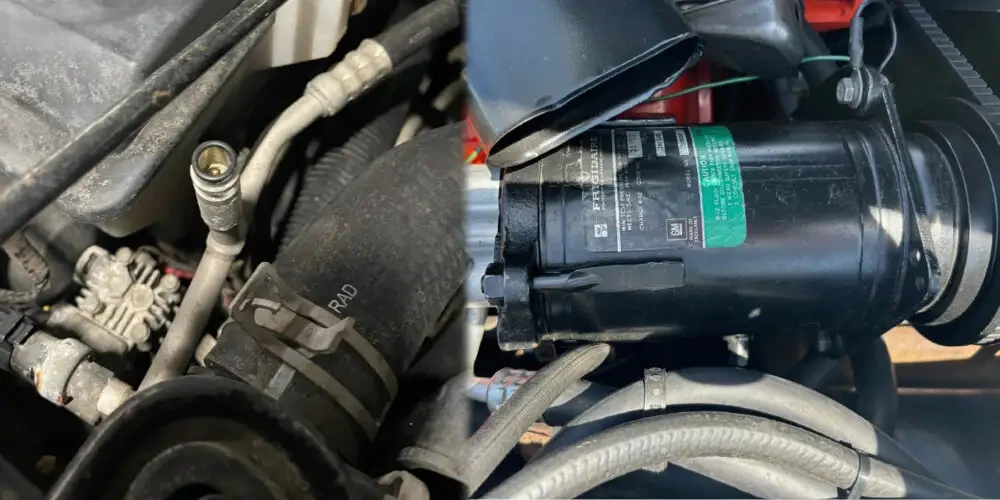
The AC system contains multiple hoses and fittings that carry refrigerant under pressure. Over time, these parts can become worn, cracked, or damaged due to heat, vibration, and age.
Loose connections or damaged seals are among the most common reasons for refrigerant loss.
Regular inspections can help identify these issues before they become major problems.
2. Compressor Seal Problems
The AC compressor is one of the most important parts of the cooling system. It circulates refrigerant and creates the pressure needed for cooling.
When compressor seals wear out, refrigerant can slowly escape. In some cases, drivers notice reduced cooling before the compressor completely fails.
Ignoring early symptoms may lead to additional AC compressor problems and higher repair costs.
3. Evaporator and Condenser Leaks
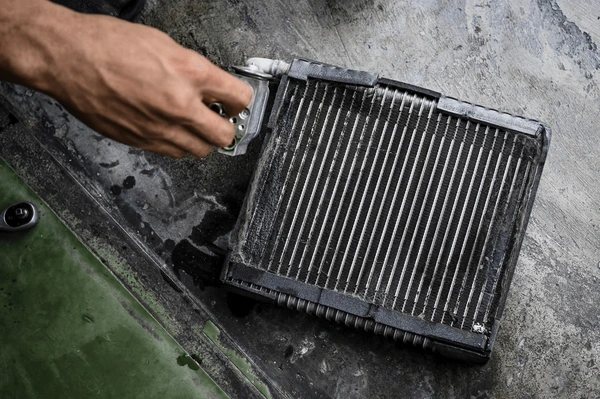
The evaporator is located inside the vehicle and helps remove heat from the cabin air. The condenser sits near the front of the vehicle and releases heat outside.
Because these components are exposed to moisture, dirt, and road debris, they can develop leaks over time.
A damaged condenser or evaporator often requires professional vehicle air conditioning repair because these parts can be difficult to access.
Signs Your Car AC Has a Refrigerant Leak
Knowing the warning signs can help you address the problem before it becomes worse.
Car AC Blowing Warm Air
One of the most common symptoms is when your car air conditioner not cooling properly.
If the AC starts blowing warm or less-cold air, low refrigerant levels could be the reason.
However, other issues like electrical faults or compressor problems can also cause similar symptoms, so proper diagnosis is important.
Weak Cooling Performance
A refrigerant leak does not always cause complete AC failure immediately.
You may notice:
- The AC takes longer to cool the cabin
- Cooling works only sometimes
- Air becomes warmer during traffic
- AC performance decreases gradually
These are early warning signs that should not be ignored.
Strange Sounds From the AC System
A low refrigerant level can force the compressor to work harder. This may create unusual noises when the AC is running.
Grinding, clicking, or unusual cycling sounds should be checked by a professional.
Visible Oil Around AC Components
Refrigerant leaks are sometimes accompanied by oil leakage because AC systems contain lubricating oil.
If you notice oily residue near AC hoses, fittings, or components, it may indicate a leak.
How to Find a Refrigerant Leak in a Car Air Conditioner
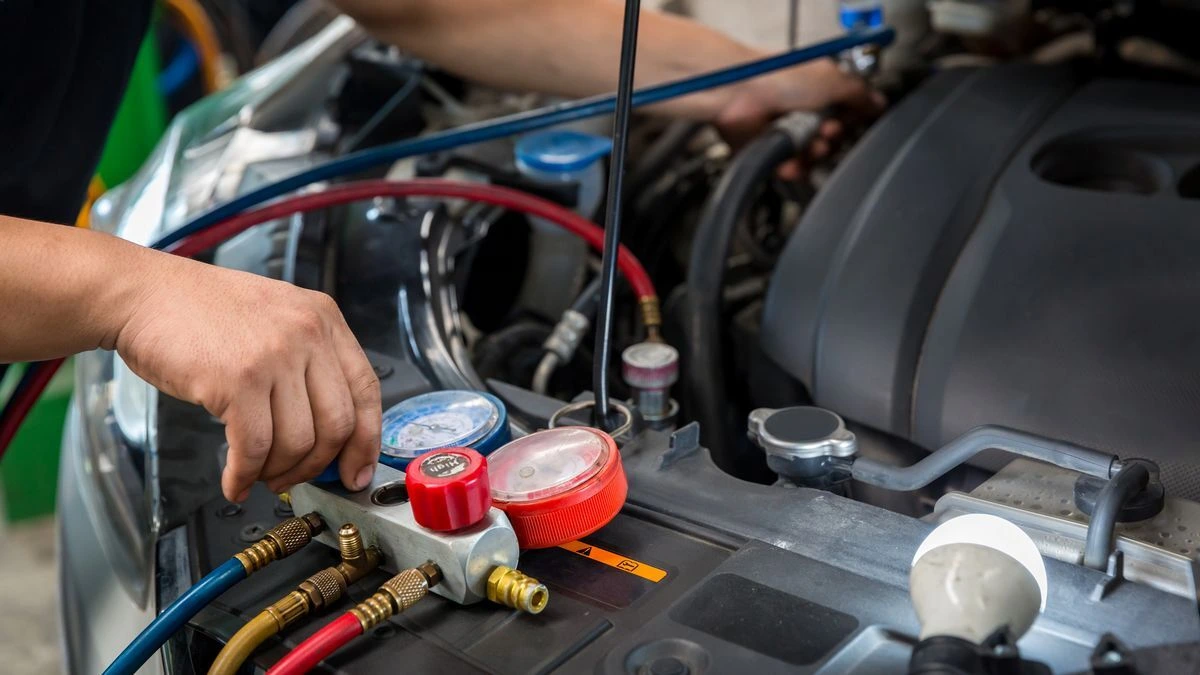
Many people ask, “How to find a refrigerant leak in a car air conditioner?”
Professional technicians use several methods to identify leaks accurately.
UV Dye Inspection
A technician adds UV dye to the AC system and uses a special light to locate the leak source.
This method is useful for finding small leaks that are difficult to see.
Electronic Leak Detection
Special electronic tools can detect refrigerant escaping from small openings.
This method helps locate hidden leaks in areas that are not easily accessible.
Pressure Testing
During car AC system troubleshooting, technicians may perform pressure tests to check whether the system is holding refrigerant properly.
This helps confirm whether there is a leak before repairs begin.
Car AC Refrigerant Leak Repair Process
A professional repair usually involves several steps:
1. Inspection and Diagnosis
The first step is identifying where refrigerant is escaping.
A technician checks:
2. Repair or Replacement of Damaged Parts
Depending on the leak location, repairs may include:
- Replacing damaged hoses
- Changing seals
- Repairing fittings
- Replacing leaking AC components
Simply adding refrigerant without fixing the leak is only a temporary solution.
3. AC Vacuum and Recharge
After repairs, technicians remove moisture and air from the system using a vacuum process.
Then the correct amount of refrigerant is added through an AC refrigerant refill.
A proper car AC recharge service ensures the system operates at the correct pressure.
How Much Does Car AC Refrigerant Leak Repair Cost?
The cost of repair depends on several factors:
- Location of the leak
- Damaged component
- Vehicle model
- Labor charges
- Refrigerant type
A small hose leak may be affordable to repair, while replacing an evaporator or compressor can cost significantly more.
The best way to avoid unexpected expenses is to diagnose the issue early instead of repeatedly adding refrigerant.
Real-Life Case Study: A Slow AC Leak That Became a Bigger Problem
A customer brought in a 2017 sedan because the AC was no longer cooling properly during summer. The owner had previously refilled refrigerant twice, but the cooling problem returned after a few weeks.
During inspection, technicians performed refrigerant leak detection and found a small leak near an aging AC hose connection.
The hose seal was replaced, the system was vacuum-tested, and fresh refrigerant was added. After the repair, the AC returned to normal performance.
The important lesson from this case was that repeated refrigerant refills were only hiding the problem. Proper diagnosis saved the customer from eventually damaging the compressor and paying for a much larger repair.
Can You Drive With a Car AC Refrigerant Leak?
Technically, you can still drive a vehicle with a refrigerant leak, but ignoring the issue is not recommended.
A leaking system can:
- Reduce cooling performance
- Increase stress on AC components
- Cause compressor damage
- Lead to expensive repairs later
If your AC is showing signs of a leak, scheduling a professional inspection is the safer option.
Tips to Prevent Future AC Refrigerant Problems
Regular maintenance can extend the life of your vehicle’s AC system.
Follow these tips:
- Run your AC regularly, even during cooler months
- Schedule routine AC inspections
- Keep the condenser area clean
- Avoid ignoring weak cooling symptoms
- Repair leaks instead of only refilling refrigerant
Proper automotive cooling system maintenance helps your AC system work efficiently for longer.
Final Thoughts
A refrigerant leak is one of the most common reasons a car AC stops cooling effectively. While adding refrigerant may temporarily improve performance, it does not solve the actual problem.
A proper car ac refrigerant leak repair involves accurate diagnosis, fixing the damaged component, and restoring the correct refrigerant level.
By recognizing early symptoms, understanding common causes, and choosing professional repair when needed, you can keep your vehicle’s AC system reliable and avoid costly future problems.
FAQs About Car AC Refrigerant Leak Repair
What is car AC refrigerant leak repair?
Car AC refrigerant leak repair is the process of finding and fixing leaks that cause refrigerant loss in a vehicle’s AC system
Why is car AC refrigerant leak repair important?
It helps restore cooling performance, prevents AC component damage, and avoids repeated refrigerant refills.
How does car AC refrigerant leak repair work?
Technicians detect leaks, repair damaged parts, test the system, and recharge refrigerant to restore proper AC operation.
How long does car AC refrigerant leak repair take?
Repair time depends on the leak location, damage level, and required replacement parts.
Can a refrigerant leak damage my car AC system?
Yes, low refrigerant levels can increase compressor strain and may lead to expensive AC repairs.

Safety is Mark’s top priority. His blog isn’t just advice; it’s a guardian angel for drivers. Stay informed about the latest safety features, and drive with confidence, knowing Mark has your back.