Keeping up with routine vehicle maintenance doesn’t have to be complicated. One of the easiest ways to keep your car running smoothly is learning how to check car fluids. It takes only a few minutes, requires minimal tools, and can help you avoid expensive repairs caused by low or contaminated fluids.
Many drivers wait until a warning light appears before opening the hood. Unfortunately, by that point, damage may have already started. A simple vehicle fluid check can reveal potential problems early, helping you maintain better engine performance, improve safety, and extend your vehicle’s lifespan.
In this beginner-friendly guide, you’ll learn how to check car fluids step by step, discover what fluids should you check in your car, recognize warning signs of low fluid levels, and understand how often each fluid should be inspected.
Content
Why Checking Car Fluids Is So Important
Every fluid in your vehicle serves a specific purpose. Some lubricate moving parts, while others cool the engine problems or make braking and steering possible. Ignoring these fluids can lead to overheating, poor performance, or costly mechanical failures.
Regularly checking your car fluid levels offers several benefits:
Prevents unexpected breakdowns
Improves engine performance
Extends vehicle lifespan
Enhances driving safety
Reduces expensive repair bills
Helps identify leaks before they become serious
Whether you’re driving daily or planning a long road trip, inspecting your fluids should be part of your car maintenance checklist.
What Fluids Should You Check in Your Car?
If you’re wondering what fluids should you check in your car, here are the essential ones every driver should monitor:
Fluid
Purpose
Check Frequency
Engine Oil
Lubricates engine parts
Monthly
Coolant
Prevents overheating
Monthly
Brake Fluid
Supports braking system
Every 2–3 months
Transmission Fluid
Protects transmission
Monthly
Power Steering Fluid
Ensures smooth steering
Every 2–3 months
Windshield Washer Fluid
Cleans windshield
As needed
Checking these fluids regularly is one of the simplest forms of preventive car maintenance.
Before You Begin
Before performing a complete car fluid inspection guide, follow these safety tips:
Park on a level surface.
Turn off the engine.
Let the engine cool if you’ve been driving.
Wear gloves if possible.
Keep a clean cloth or paper towel nearby.
Refer to your owner’s manual if you’re unsure about fluid locations.
How to Check Car Fluids Step by Step
Let’s go through the easy way to check car fluids at home.
1. How to Check Engine Oil Correctly
Engine oil keeps internal components lubricated and reduces wear.
Steps
Turn off the engine.
Wait about five minutes.
Pull out the dipstick.
Wipe it clean.
Insert it again fully.
Remove it once more and inspect the oil level.
The oil should fall between the “MIN” and “MAX” marks.
Also check the oil color:
Honey or amber = Good
Dark brown = Needs changing soon
Milky = Possible coolant contamination
Maintaining the proper engine oil level is essential for long-term engine health.
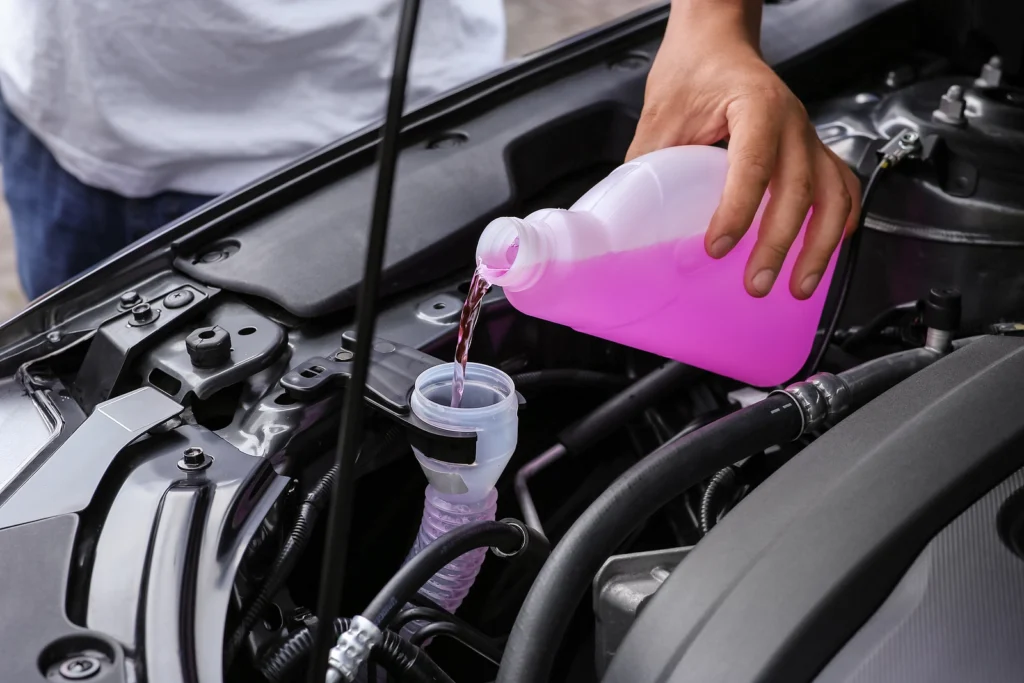
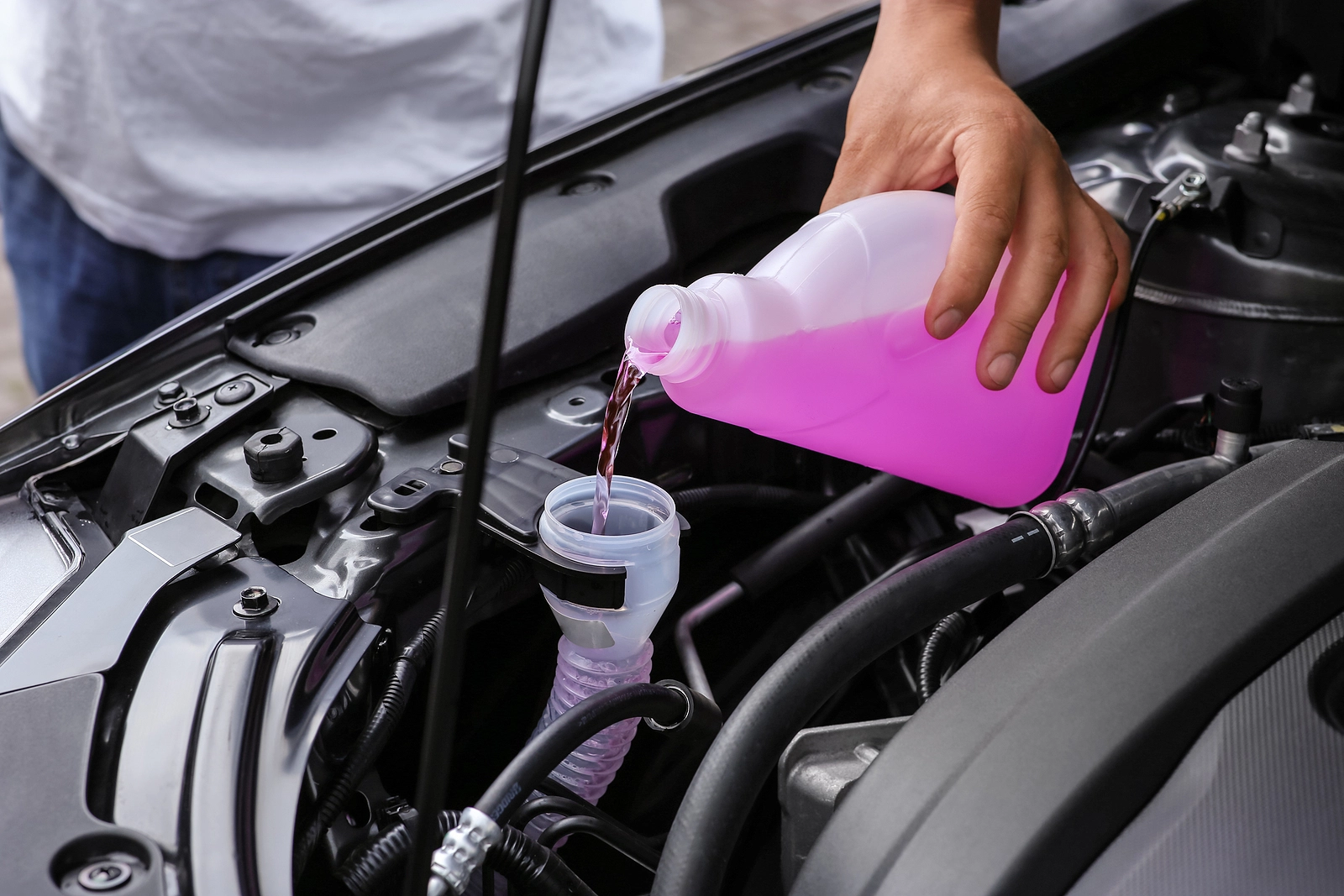
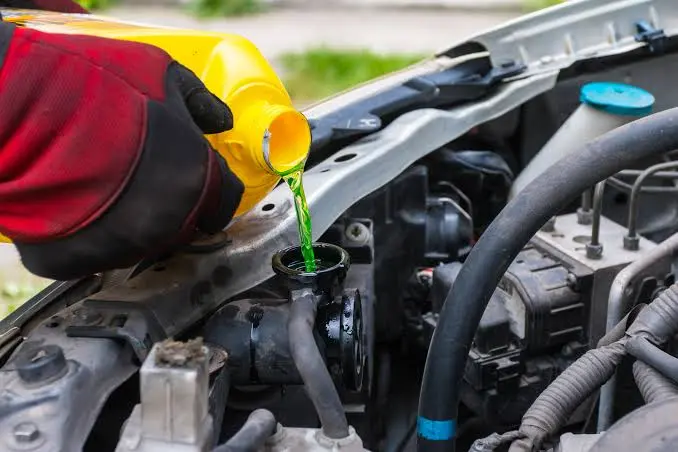
2. How to Check Coolant Level Safely
Coolant regulates engine temperature and prevents overheating.
Important Safety Tip
Never remove the radiator cap while the engine is hot.
Instead:
Locate the coolant reservoir.
Check that the fluid sits between the MIN and MAX markings.
Inspect for discoloration or debris.
Learning how to check car fluids coolant level safely can help prevent engine damage during hot weather or long drives.
3. How to Inspect Brake Fluid at Home
Your braking system relies on clean brake fluid to operate effectively.
Locate the brake fluid reservoir near the driver’s side firewall.
Check:
Fluid level
Fluid color
Reservoir condition
Healthy brake fluid is usually clear or light amber.
If it appears very dark or dirty, it’s time to have it inspected.
4. How to Check Transmission Fluid in a Car
Not every modern vehicle includes a transmission dipstick, so check your owner’s manual first.
For vehicles equipped with one:
Warm the engine.
Shift through each gear.
Leave the vehicle in Park.
Remove the dipstick.
Wipe and reinsert.
Read the level.
Healthy transmission fluid is usually bright red or pink.
If it smells burnt or appears dark brown, schedule maintenance soon.
5. How to Check Power Steering Fluid
Smooth steering depends on adequate power steering fluid.
Locate the power steering reservoir and verify that the fluid remains within the recommended range.
Watch for:
Low fluid levels
Foamy appearance
Dark discoloration
These may indicate leaks or contamination.
6. Check Windshield Washer Fluid
This may seem minor, but visibility is crucial for safe driving.
Open the washer fluid reservoir and refill it when needed using the correct washer solution.
Avoid using plain water during freezing temperatures.
How ToCheck Car Fluids
One of the most common questions is how often should you check car fluids.
A good schedule is:
Engine oil — Monthly
Coolant — Monthly
Brake fluid — Every 2–3 months
Transmission fluid — Monthly
Power steering fluid — Every 2–3 months
Windshield washer fluid — Before long trips or as needed
Checking fluids before vacations or road trips is always a smart idea.
Signs Your Car Needs Fluid Replacement
Knowing how to know if your car fluids are low can save you from expensive repairs.
Watch for these warning signs:
Dashboard warning lights
Burning smell
Grinding brakes
Hard steering
Engine overheating
Poor transmission shifting
Fluid puddles beneath your vehicle
Unusual engine noises
If you notice any of these symptoms, inspect your fluids immediately.
Common Mistakes Beginners Should Avoid
Even a simple automotive fluid inspection can go wrong if you’re not careful.
Avoid these common mistakes:
Checking oil immediately after turning off the engine
Mixing incompatible coolant types
Overfilling fluid reservoirs
Ignoring small leaks
Forgetting to replace reservoir caps
Using the wrong fluid specification
Following manufacturer recommendations helps protect your vehicle.
Real-Life Case Study: A Five-Minute Check That Prevented a Major Repair
A friend of mine planned a weekend road trip with his family. Before leaving, he decided to perform a quick vehicle fluid check after checking basic symptoms and maintenance guide.
Everything looked normal except the coolant reservoir, which was well below the minimum line. He also noticed a few dried coolant stains near one of the hoses. Instead of starting the trip, he visited a local repair shop, where a technician found a small crack in the hose.
The repair cost less than replacing a tank of fuel. Had he ignored the low coolant level, the engine could have overheated during the drive, leading to repairs worth hundreds or even thousands of dollars.
That experience reinforced how a five-minute inspection can prevent significant mechanical problems and unexpected travel delays.
Expert Tips for Better Car Fluid Maintenance
Here are some car fluid maintenance tips for beginners:
Check fluids at the same time each month.
Keep a flashlight in your vehicle.
Always use manufacturer-approved fluids.
Record maintenance dates.
Clean around reservoir caps before opening them.
Inspect underneath your vehicle for leaks.
Replace fluids according to your maintenance schedule, not just when they look dirty.
Consistency is the key to effective routine vehicle maintenance.
Conclusion
Learning how to check car fluids is one of the easiest and most valuable skills every driver can develop. From monitoring your engine oil level and coolant level to inspecting brake fluid, transmission fluid, power steering fluid, and windshield washer fluid, regular inspections can improve safety, enhance performance, and reduce costly repairs.
By following this complete car fluid inspection guide, you can confidently perform a basic inspection at home and catch small issues before they become major problems. Even if you’re a beginner, spending just a few minutes each month checking your vehicle’s essential fluids can make a noticeable difference in reliability and peace of mind.
Make fluid inspections a regular part of your car maintenance checklist, and your vehicle will reward you with smoother performance and a longer service life.
Frequently Asked Questions
1. How often should I check my car fluids?
Most essential fluids should be checked once a month, while brake and power steering fluids can be inspected every two to three months.
2. Can I check car fluids without mechanical experience?
Yes. Most fluid inspections are simple, require basic tools, and are suitable for beginners who follow their owner’s manual.
3. Which car fluid is the most important?
Engine oil is critical because it lubricates moving engine parts, but all essential fluids work together to keep your vehicle operating safely.
4. What should I do if a fluid level is low?
Top up the correct fluid if appropriate and inspect for leaks. If the level drops repeatedly, have the vehicle checked by a qualified technician.
5. Should I check car fluids before a road trip?
Absolutely. Performing a quick fluid inspection before traveling helps reduce the risk of breakdowns and improves overall driving safety.
Safety is Mark’s top priority. His blog isn’t just advice; it’s a guardian angel for drivers. Stay informed about the latest safety features, and drive with confidence, knowing Mark has your back.