
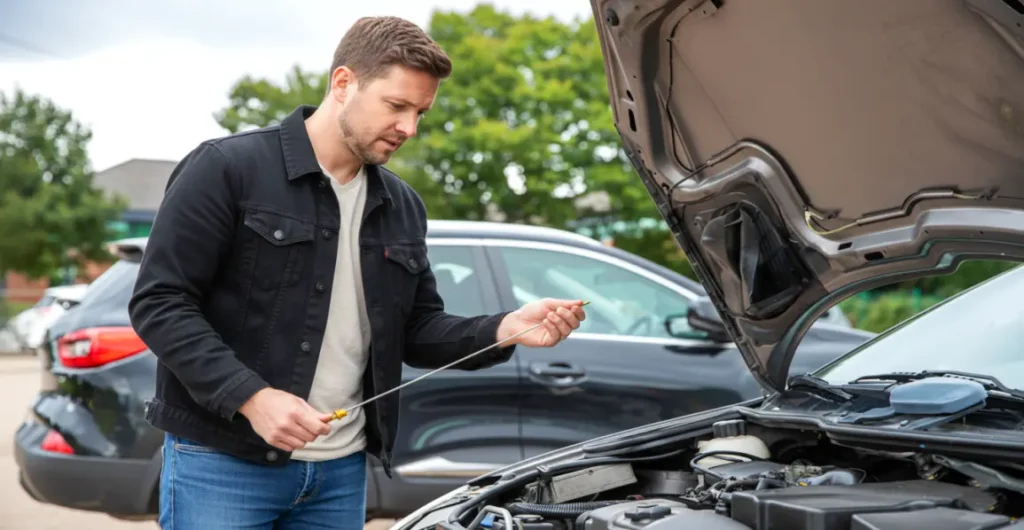
Owning a car is convenient, but keeping it reliable takes more than filling the fuel tank and washing it occasionally. Small maintenance tasks can make a major difference in how safely, smoothly, and efficiently your vehicle performs. The challenge is knowing what to check on your car regularly and which jobs should be handled by a professional.
A good car maintenance checklist takes the guesswork out of routine care. Instead of waiting for a warning light, strange noise, or breakdown, you can identify potential problems while they are still manageable.
In this guide, I’ll walk through the most important essential car maintenance tasks, explain how frequently you should perform them, and share a practical real-world example of why preventive maintenance matters.
Content
Car Maintenance Checklist: What Should You Check Regularly?
If you’re wondering what should be checked during car maintenance, start with these essential areas.
1. Check Engine Oil and the Oil Filter
Engine oil is one of the first things I recommend checking, especially before a long trip.
Oil lubricates moving engine components and helps manage heat and contaminants. If the oil level is too low or the oil has deteriorated, the engine may not receive the protection it needs.
Check the oil according to your vehicle manufacturer’s instructions. Some vehicles require the engine to be off for a certain period before checking, while others have electronic oil-level monitoring.
2. Inspect Coolant and Other Fluid Levels
Fluid levels are another important part of any vehicle maintenance routine.
Depending on your vehicle, you may need to monitor:
- Engine coolant
- Brake fluid
- Transmission fluid
- Power-steering fluid, if equipped
- Windshield washer fluid
Never open a hot cooling-system cap. Hot coolant fluid can be under pressure and cause serious burns.
I also recommend looking around fluid reservoirs and underneath the vehicle for signs of leakage. A fluid level that repeatedly drops may indicate a problem rather than simply a need for topping up.
3. Check Tire Pressure and Tread
Tire maintenance deserves special attention because your tires are the only parts of the vehicle continuously contacting the road.
NHTSA recommends checking tire pressure at least monthly when the tires are cold and using the pressure specified by the vehicle manufacturer—not the maximum pressure printed on the tire sidewall.
Check:
- Tire pressure
- Tread condition
- Sidewalls
- Cuts or cracks
- Bulges
- Uneven wear
- Embedded objects
- Spare-tire condition
Proper inflation also affects fuel consumption and tire life. NHTSA reports that properly inflated tires can save fuel and potentially extend tire life by thousands of miles.
4. Inspect the Brakes
Your brake maintenance routine should include paying attention to how the vehicle feels and sounds.
Watch for:
- Squealing or grinding
- Steering-wheel vibration during braking
- A soft or spongy brake pedal
- Pulling to one side
- Longer stopping distances
- Brake-warning lights
Brake pads and rotors wear over time, but the rate depends heavily on driving style and conditions.
If you hear grinding or notice a significant change in braking performance, don’t wait for your next routine service. Have the system inspected.
5. Test the Car Battery
Battery problems often seem to appear suddenly, but there are sometimes warning signs.
Inspect the battery for:
- Corrosion around terminals
- Loose connections
- Physical damage
- Swelling
- Difficult engine starts
Modern vehicles can also have significant electrical demands from computers, safety systems, infotainment, and other electronics.
6. Replace Air Filters When Needed
Air filters are easy to overlook, but they are an important part of engine maintenance.
A dirty engine air filter can restrict airflow. The replacement interval varies by vehicle and driving conditions, so follow the manufacturer’s recommendations.
If you regularly drive on dusty roads, construction routes, or other environments with high airborne debris, the filter may require more frequent attention.
7. Inspect Belts and Hoses
Open the hood and visually inspect accessible belts and hoses.
Look for:
- Cracks
- Fraying
- Glazing
- Bulges
- Leaks
- Soft spots
- Loose components
Don’t attempt to inspect or touch moving engine components while the engine is running.
Some modern vehicles use timing chains instead of timing belts, while others still use belts. Because replacement requirements can vary significantly, check your owner’s manual rather than assuming every vehicle follows the same interval.
8. Check Lights and Windshield Wipers
This is one of the easiest parts of a basic car maintenance routine.
Check:
- Headlights
- Brake lights
- Turn signals
- Hazard lights
- Reverse lights
- License-plate lights
- Fog lights, if equipped
Also inspect windshield wipers. Streaking, skipping, cracking, or poor visibility means the blades may need replacement.
Keep washer fluid filled as well.
Clear visibility isn’t a luxury. It is an important part of safe driving.
9. Pay Attention to Suspension and Steering
You don’t need to be a mechanic to notice that something feels different.
If your vehicle begins to:
- Bounce excessively
- Pull to one side
- Vibrate
- Wander on the road
- Produce knocking sounds
- Wear tires unevenly
it may be time for an inspection.
Suspension components, wheel alignment, steering parts, and tires can influence one another. Ignoring one problem may eventually create additional wear elsewhere.
10. Don’t Ignore Warning Lights
Dashboard warning lights are your vehicle’s way of communicating with you.
A check-engine light, battery warning, oil-pressure warning, brake warning, or temperature warning should never be treated as decoration.
A warning light doesn’t always mean an immediate catastrophic failure, but it does mean the vehicle’s system has detected something worth investigating.
How Often Should You Maintain Your Car?

One of the most common questions is, how often should you maintain your car?
The answer depends on the vehicle and manufacturer, but organizing your car maintenance schedule into different intervals makes it easier.
Monthly Checks
Consider checking:
- Tire pressure
- Tire condition
- Exterior lights
- Windshield washer fluid
- Engine oil level when applicable
- Visible leaks
- Wiper condition
NHTSA specifically recommends regular tire-pressure inspections and checking tires for damage and tread condition.
Every Few Months
Depending on your vehicle and driving conditions, inspect:
- Battery condition
- Engine air filter
- Belts and hoses
- Fluid levels
- Brake performance
- Suspension symptoms
During Scheduled Service
Your scheduled service may include more detailed inspections and replacements.
This is where your owner’s manual becomes particularly important. Manufacturer schedules may specify service based on time, mileage, operating conditions, or a combination of these factors.
Car Maintenance Schedule by Mileage
A car maintenance schedule by mileage can be helpful, but it should not replace the schedule provided for your specific vehicle.
As a general framework:
Around 5,000 miles:
Check service requirements, fluids, tires, brakes, and other routine inspection items.
Around 10,000 miles:
Review scheduled maintenance, inspect filters and tires, and address any developing issues.
Around 30,000 miles:
Depending on the vehicle, more extensive inspections or component replacements may become due.
Around 60,000 miles and beyond:
Maintenance can become more comprehensive, with certain vehicles requiring attention to items such as transmission service, spark plugs, belts, coolant, or other components.
These are examples rather than universal rules. Always confirm the correct interval in your manufacturer’s maintenance documentation.
A Real-World Case Study: When a Simple Maintenance Issue Becomes Expensive
A useful example comes from a real-world Consumer Reports account involving a 2006 Honda Accord owned by Abbe Herzig’s college-age daughter.
The vehicle went to a local repair shop for an annual state safety inspection and reportedly failed, with the shop recommending approximately $3,300 in suspension work. Concerned about the recommendation, the owner sought another opinion. A second shop passed the car, creating uncertainty about whether the original repair estimate was justified. She then consulted a third shop for another assessment.
The lesson isn’t that every expensive repair estimate is wrong. It is that vehicle owners benefit from regular inspections, documented maintenance, and informed decisions.
This is one reason I recommend keeping a simple maintenance record—even if it’s just a spreadsheet or notes on your phone.
DIY Maintenance vs. Professional Service
There are several essential car maintenance tasks most owners can learn to handle.
These may include checking tire pressure, inspecting tires, checking certain fluid levels, replacing some filters, checking lights, and monitoring the battery.
However, complicated repairs should generally be handled by an appropriately qualified technician.
If you’re uncomfortable working under the hood or aren’t sure whether a component is safe to inspect, professional assistance is the better choice.
The goal isn’t to become a mechanic overnight. The goal is to understand your vehicle well enough to notice when something has changed.
A Simple Car Maintenance Checklist for Beginners
If you’re new to vehicle ownership, save this basic list:
- Check tire pressure
- Inspect tire tread and sidewalls
- Check engine oil
- Inspect coolant level when appropriate
- Check other accessible fluid levels
- Test exterior lights
- Inspect windshield wipers
- Check the battery for visible problems
- Listen for unusual engine or suspension noises
- Pay attention to warning lights
- Review your manufacturer’s maintenance schedule
- Keep records of completed maintenance
- Schedule professional inspections when necessary
This simple vehicle service checklist can make routine vehicle ownership much less stressful.
Final Thoughts
A good car maintenance checklist isn’t about spending every weekend working on your vehicle. It’s about developing a consistent habit of checking the things that matter.
Start with the basics: oil, fluids, tires, brakes, battery, filters, lights, belts, hoses, and warning indicators. Then follow the maintenance schedule designed specifically for your vehicle.Regular preventive car maintenance may not eliminate every breakdown or repair bill, but it can help you identify problems earlier, maintain safer vehicle operation, and get more useful life from the car you depend on every day.
FAQs About Car Maintenance Checklist
What should a car maintenance checklist include?
It should cover tires, fluids, lights, brakes, battery, filters, belts, hoses, and other essential vehicle components.
Can a car maintenance checklist prevent breakdowns?
Regular checks can help identify developing problems early, reducing the risk of unexpected breakdowns and expensive repairs.
Does every car need the same maintenance checklist?
No. Maintenance requirements vary by vehicle, engine, mileage, age, driving conditions, and manufacturer recommendations
Should I keep a record of car maintenance?
Yes. Maintenance records help track completed services, identify recurring problems, and provide useful documentation when selling the vehicle.
Is a car maintenance checklist useful for older vehicles?
Yes. Older vehicles often benefit from closer monitoring because age and mileage can increase component wear and maintenance needs.

Safety is Mark’s top priority. His blog isn’t just advice; it’s a guardian angel for drivers. Stay informed about the latest safety features, and drive with confidence, knowing Mark has your back.