
Changing your engine oil is one of the simplest yet most important maintenance tasks you can do to keep your vehicle running smoothly. If you’ve been wondering how to change oil in car, you’re in the right place. Whether you’re trying to save money, learn a new DIY skill, or simply understand your vehicle better, this beginner-friendly guide will walk you through the entire process.
The first time I changed my own oil, I was nervous about making a mistake. However, after gathering the right tools and following a few simple steps, I realized that a DIY oil change is easier than many people think. Since then, it has become part of my regular routine car maintenance, saving both time and money.
In this guide, you’ll learn how to change oil in car step by step, what tools you’ll need, common mistakes to avoid, and practical tips to keep your engine in excellent condition.
Content
Why Regular Oil Changes Matter
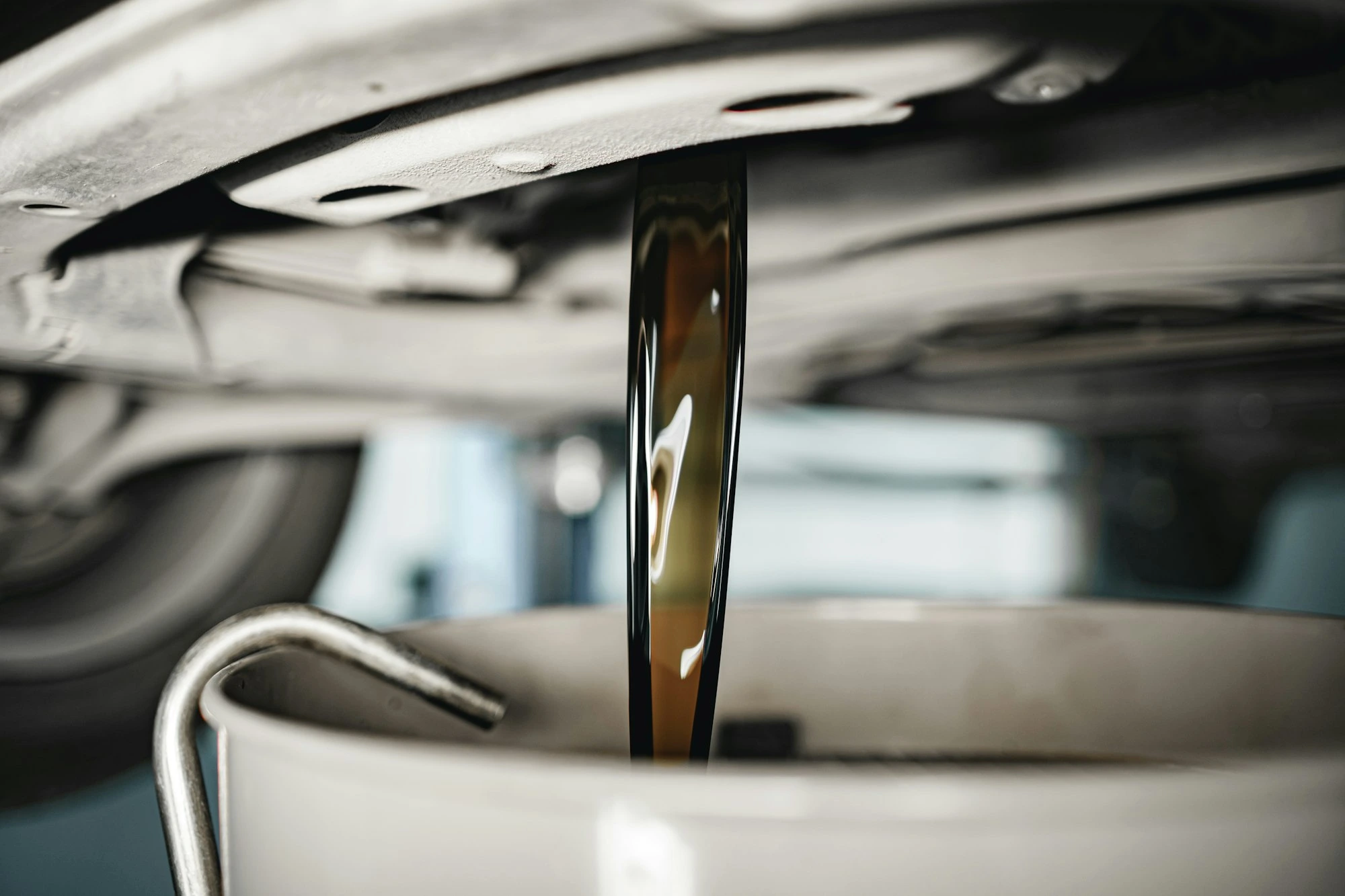
Your engine contains many moving parts that create heat and friction. Motor oil lubricates these parts, reduces wear, removes contaminants, and helps maintain the correct operating temperature.
Over time, engine oil breaks down and becomes contaminated with dirt and debris. When this happens, it loses its ability to protect the engine effectively.
Regular engine oil replacement helps:
- Improve engine performance
- Extend engine life
- Increase fuel efficiency
- Reduce engine wear
- Prevent costly repairs
- Maintain smoother vehicle operation
Ignoring oil changes for too long can result in sludge buildup, overheating, and severe engine damage.
What You’ll Need Before You Start
Before learning how to change oil in car at home, gather these tools and supplies:
| Tool or Material | Purpose |
| Fresh engine oil | Replaces old oil |
| New oil filter | Removes contaminants |
| Oil filter wrench | Removes the old filter |
| Socket wrench | Removes the oil drain plug |
| Oil drain pan | Collects used oil |
| Funnel | Prevents spills |
| Jack and jack stands (if required) | Safely lifts the vehicle |
| Gloves and shop towels | Keeps the work area clean |
Always check your owner’s manual for the recommended oil viscosity and oil capacity before purchasing supplies.
Step 1: Warm Up the Engine
Start the engine and let it idle for about five minutes.
Warm oil flows more easily, making it easier to drain completely. However, avoid working with extremely hot oil to prevent burns.
Step 2: Park Safely
Park on a level surface.
- Engage the parking brake.
- Turn off the engine.
- Allow it to cool slightly.
- Lift the vehicle if necessary using approved lifting points.
Safety should always come first during any engine maintenance task.
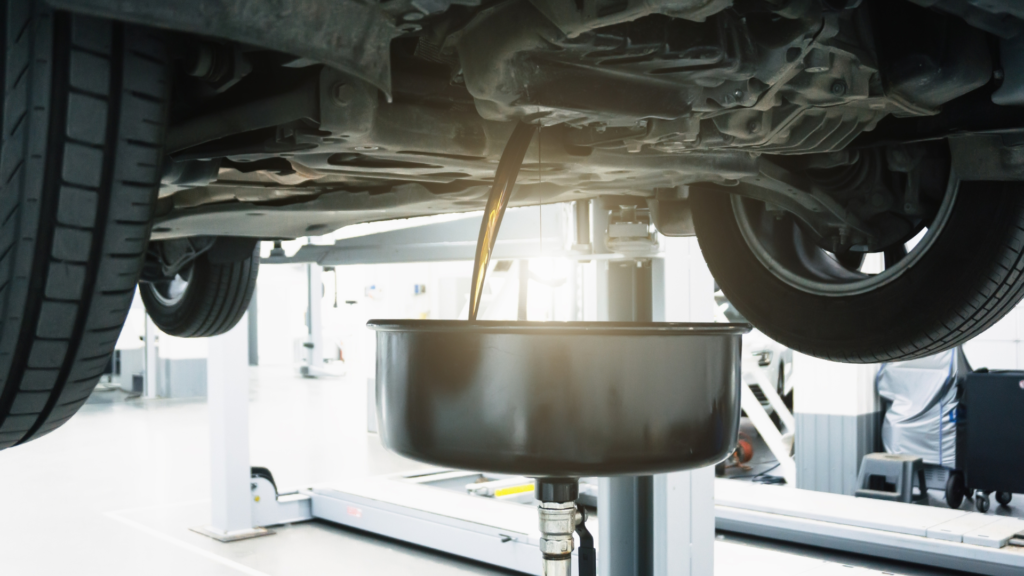
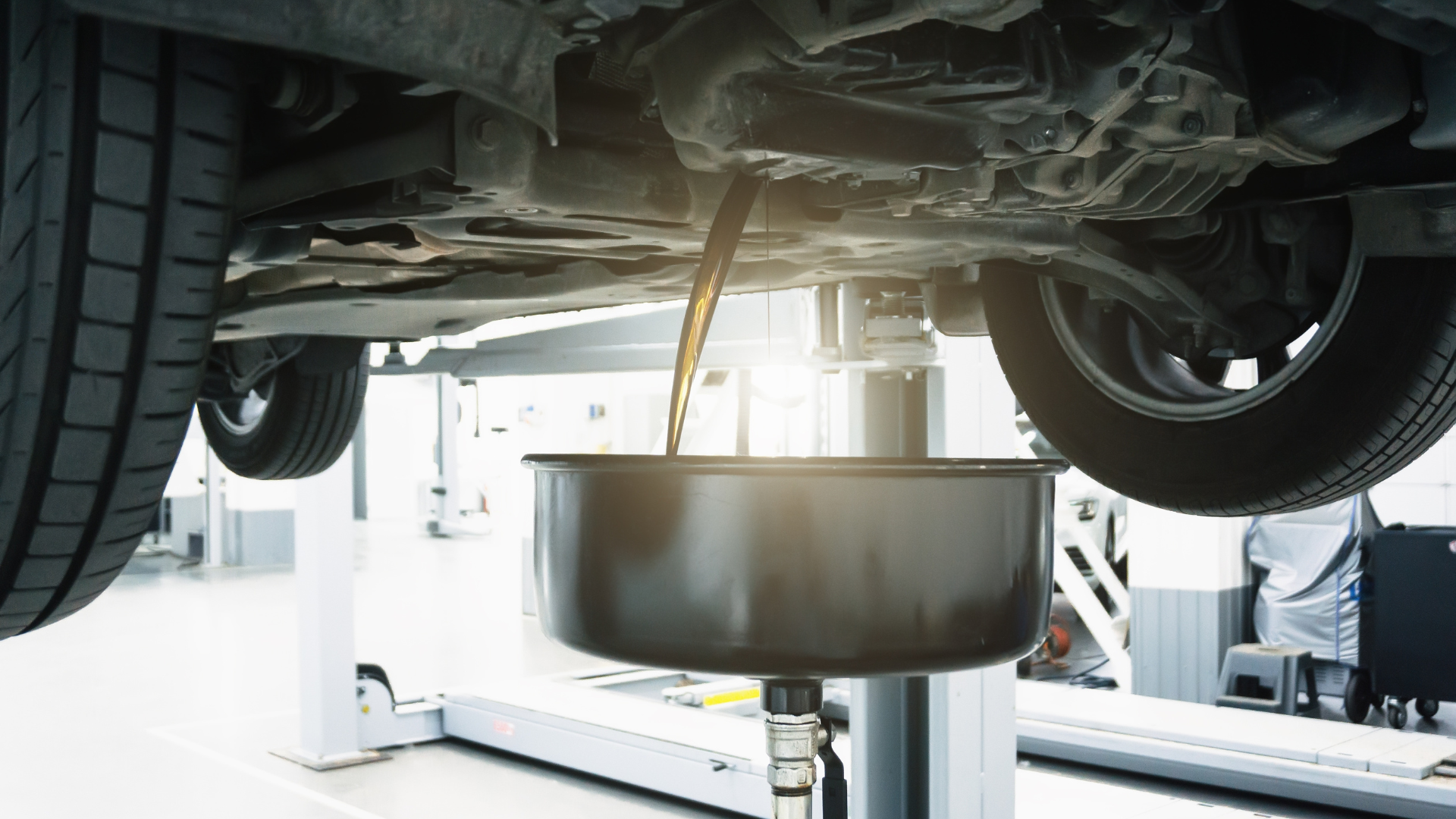
Step 3: Drain the Old Oil
Place the oil drain pan underneath the oil pan.
Using a socket wrench, carefully loosen the oil drain plug.
Allow the old oil to drain completely. This usually takes 5–10 minutes.
Inspect the drain plug washer. Replace it if it appears worn or damaged.
Once finished, reinstall the drain plug and tighten it securely without overtightening.
Step 4: Replace the Oil Filter
One of the most important steps in oil filter replacement is removing the old filter carefully.
Use an oil filter wrench if needed.
Before installing the new filter:
- Apply a small amount of fresh engine oil to the rubber gasket.
- Screw the new filter on by hand.
- Tighten until snug.
Avoid using excessive force, as this may damage the gasket.
If you’ve ever wondered how to change oil in car filter during an oil change, this simple step ensures clean oil circulates properly throughout your engine.
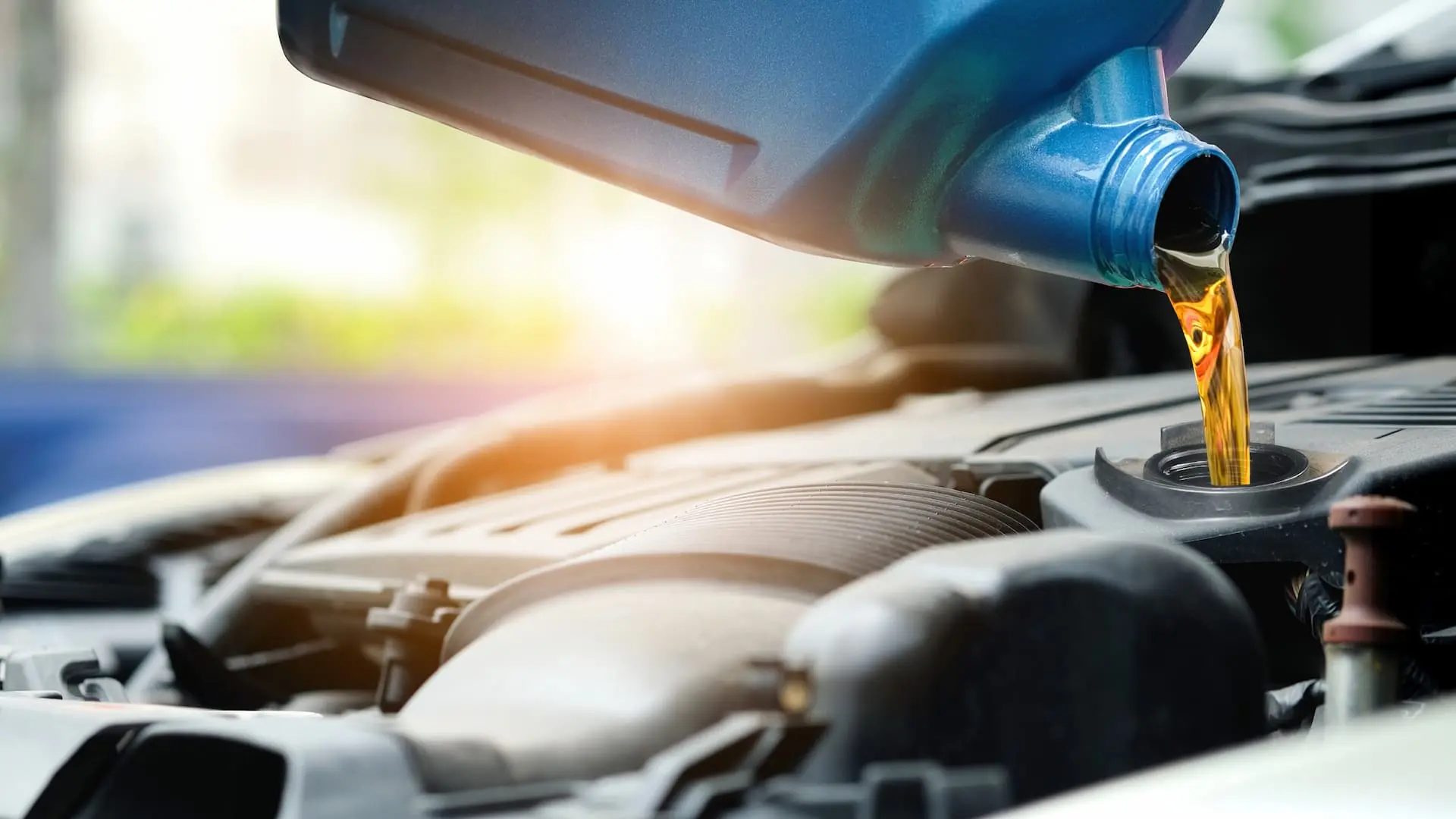
Step 5: Add Fresh Engine Oil
Remove the oil filler cap.
Insert a funnel.
Pour in the recommended amount of fresh engine oil.
Whether you’re using synthetic motor oil or conventional oil, always follow your vehicle manufacturer’s specifications.
Once filled:
- Replace the oil cap.
- Start the engine for about one minute.
- Check for leaks around the filter and drain plug.
Step 6: Check the Oil Level
Turn off the engine and wait a few minutes.
Now perform an oil level check:
- Remove the dipstick.
- Wipe it clean.
- Reinsert it fully.
- Remove it again.
- Verify the oil reaches the recommended mark.
Add small amounts if necessary.
Knowing how to check engine oil level correctly ensures your engine has the proper lubrication.
Step 7: Dispose of Used Oil Responsibly
Never pour used engine oil into drains, onto the ground, or into household trash.
Instead:
- Transfer it into a sealed container.
- Take it to an authorized recycling center or auto parts store that accepts used oil.
Proper disposal protects both the environment and local water supplies.
Conventional vs. Synthetic Motor Oil
Many beginners ask which oil is better.
Conventional Oil
Pros:
- Lower cost
- Suitable for many older vehicles
Cons:
- Breaks down faster
- Requires more frequent changes
Synthetic Motor Oil
Pros:
- Better high-temperature protection
- Longer service intervals
- Improved engine cleanliness
- Better performance during cold starts
Cons:
- Higher initial cost
For many modern vehicles, synthetic motor oil provides superior engine protection, although your owner’s manual should always be your primary guide.
How Often Should You Change Your Car Oil?
One of the most common questions is how often should you change your car oil.
While older recommendations suggested every 3,000 miles, many modern vehicles can safely go:
- 5,000 miles
- 7,500 miles
- 10,000 miles or more
The exact interval depends on:
- Vehicle age
- Driving habits
- Oil type
- Manufacturer recommendations
- Climate conditions
If you frequently drive in heavy traffic, tow loads, or make short trips, more frequent oil changes may be necessary.
Common Mistakes When Changing Car Oil
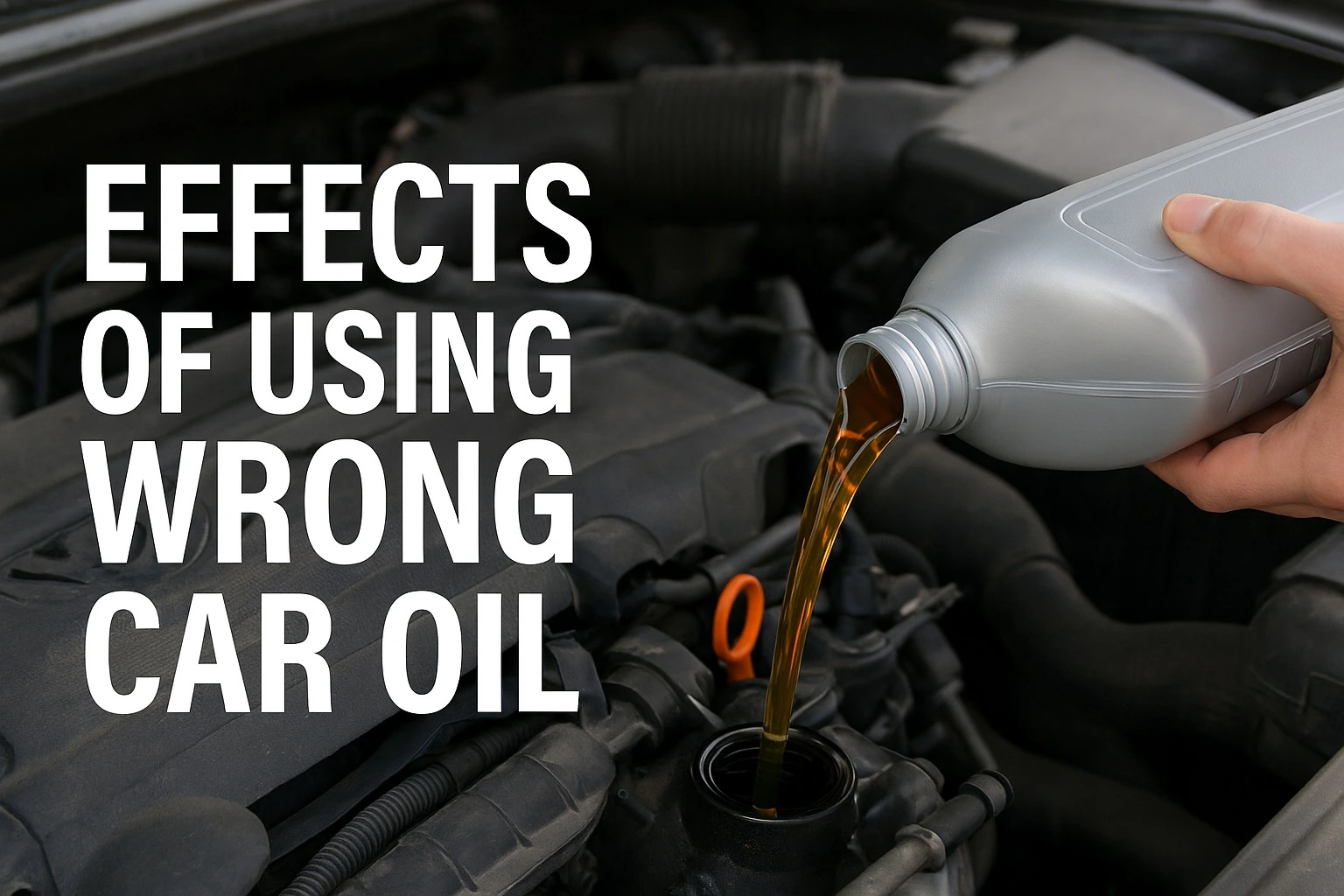
Even experienced DIYers occasionally make mistakes.
Some of the most common include:
- Using the wrong oil viscosity
- Forgetting to replace the oil filter
- Overtightening the oil filter
- Leaving the old gasket attached
- Underfilling or overfilling engine oil
- Forgetting to reinstall the drain plug securely
- Skipping the final oil level check
Avoiding these common mistakes when changing car oil can save you from expensive repairs later.
Real-Life Case Study: A Beginner’s First DIY Oil Change
A friend of mine, Ahmed, owned a compact sedan that was due for routine maintenance. Instead of visiting a repair shop, he decided to learn how to change oil in car yourself using online tutorials and his vehicle’s owner’s manual.
After purchasing the correct oil, a new filter, and a few basic tools, he completed the entire oil change in about an hour. The total cost was nearly half of what a local service center had quoted.
More importantly, Ahmed gained confidence in performing basic car oil change tasks and now checks his oil regularly between service intervals. Over the next year, his vehicle continued running smoothly without any oil-related issues, proving that even first-time DIYers can handle this maintenance job successfully with proper preparation.
Extra Tips for First-Time DIYers
If this is your first DIY oil change, keep these practical suggestions in mind:
- Read your owner’s manual before starting.
- Buy quality oil and filters.
- Work on a flat surface.
- Wear protective gloves.
- Keep paper towels nearby for spills.
- Double-check every step before starting the engine.
- Record the mileage after each oil change.
These simple oil change tips for first-time DIYers can make the entire process easier and safer.
Benefits of Changing Your Own Oil
Learning how to change oil in car for beginners offers several advantages:
- Saves money on routine maintenance
- Helps you understand your vehicle better
- Gives you confidence with DIY repairs
- Lets you choose high-quality oil and filters
- Allows you to inspect your vehicle regularly
- Reduces dependence on repair shops
For many car owners, this small investment in time pays off for years.
Conclusion
Knowing how to change oil in car is a valuable skill that every vehicle owner should consider learning. With the right tools, proper safety precautions, and a little patience, you can perform an engine oil replacement at home while extending your engine’s lifespan and reducing maintenance costs.
Regular oil changes are one of the easiest ways to improve engine maintenance, protect vital components, and keep your vehicle running efficiently. By following the step-by-step process outlined in this guide, you’ll not only save money but also gain confidence in maintaining your car for years to come.
Frequently Asked Questions About How to Change Oil in Car
Can I change my car oil myself?
Yes. With basic tools, the correct oil, and proper safety precautions, most beginners can successfully perform a DIY oil change.
How long does an oil change take?
For first-time DIYers, changing the oil usually takes 45 to 60 minutes. With experience, it often takes less than 30 minutes.
Should I replace the oil filter every time?
Yes. Replacing the oil filter during every oil change helps keep fresh engine oil free from contaminants.
How do I know which engine oil to use?
Check your owner’s manual for the recommended oil type, oil viscosity, and capacity for your specific vehicle.
What should I do with used engine oil?
Store it in a sealed container and take it to a certified recycling center or an auto parts store that accepts used motor oil for proper disposal.

Safety is Mark’s top priority. His blog isn’t just advice; it’s a guardian angel for drivers. Stay informed about the latest safety features, and drive with confidence, knowing Mark has your back.