
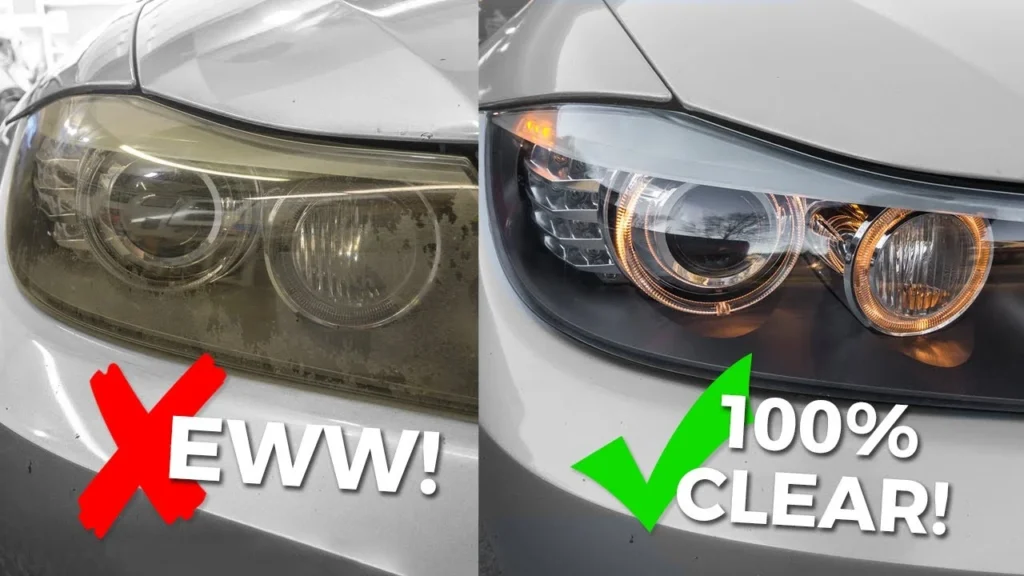
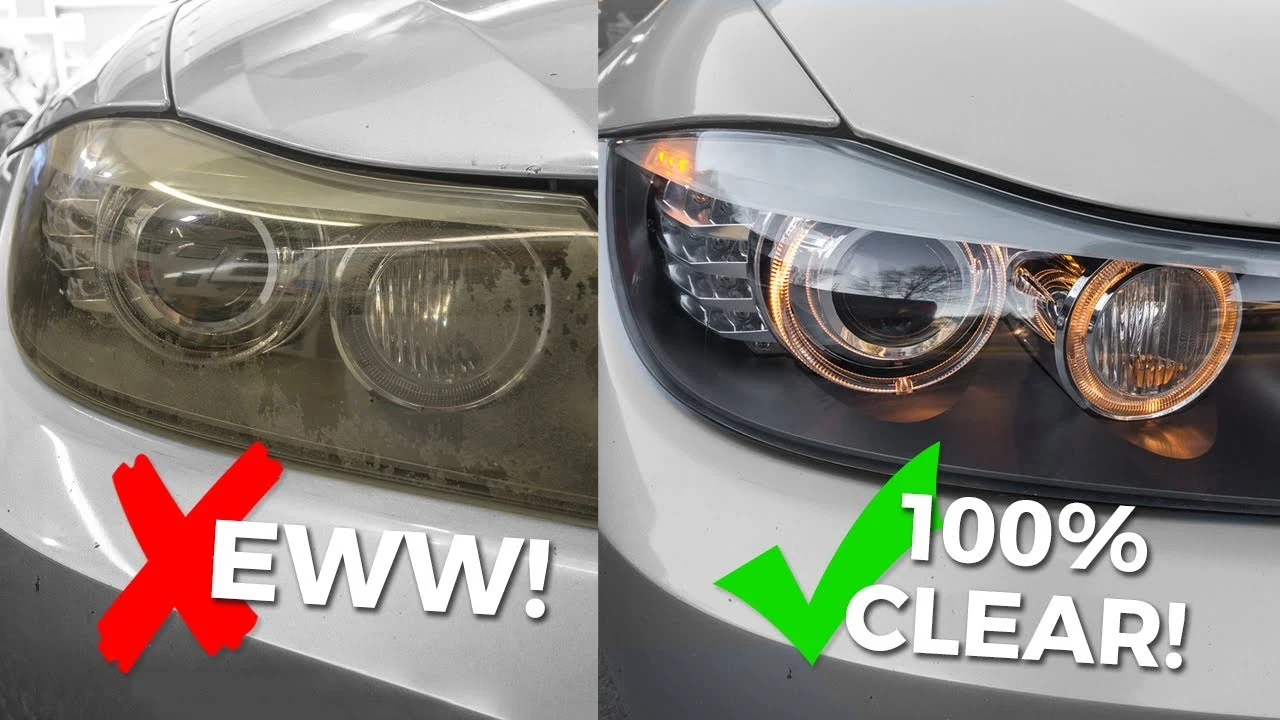
If your car’s headlights look cloudy, yellow, or hazy, you are not alone. Many vehicle owners notice that their headlights lose their clear appearance after years of exposure to sunlight, rain, dust, and road debris. While foggy headlights may seem like a minor cosmetic problem, they can actually reduce nighttime visibility and make driving less safe.
A common question many drivers ask is: “How do I clean foggy headlights?” The good news is that you usually do not need to replace the entire headlight assembly. With the right tools and proper technique, you can restore the clarity of your headlights and improve your vehicle’s appearance.
In this guide, we will explore the causes of cloudy headlights, explain how to clean foggy headlights at home, share professional tips for foggy headlight restoration, and discuss ways to keep your headlights clear for longer.
Content
Why Do Headlights Become Foggy or Cloudy?
Before learning how to restore headlights, it is important to understand why they become damaged in the first place.
Modern vehicles use plastic headlight lenses instead of glass because plastic is lightweight and more impact-resistant. However, plastic surfaces are more vulnerable to environmental damage over time.
Here are the most common reasons headlights become foggy:
1. UV Sunlight Damage
Constant exposure to sunlight breaks down the protective coating on plastic headlight lenses. This causes the surface to become dull, faded, and yellow.
2. Oxidation
One of the biggest causes of cloudy car headlights is oxidation. When the protective layer wears away, oxygen reacts with the plastic surface, creating a yellow or white haze.
Proper headlight oxidation removal can restore much of the original clarity.
3. Road Dirt and Debris
Small rocks, dust, salt, and road chemicals can create tiny scratches on the lens surface. Over time, these imperfections make headlights appear cloudy.
4. Weather Conditions
Rain, snow, humidity, and temperature changes can speed up headlight deterioration, especially when vehicles are parked outside regularly.
How Do I Clean Foggy Headlights? Step-by-Step DIY Method
Many drivers search for how do I clean foggy headlights at home because they want an affordable solution before paying for professional restoration.
The process is simple, but patience and proper preparation are important.
Step 1: Gather the Required Supplies
Before starting your DIY headlight restoration, collect the following items:
- Car wash soap
- Clean water
- Microfiber towels
- Automotive masking tape
- Sandpaper (different grits)
- Headlight restoration compound
- Plastic polish
- UV protective coating
Using proper materials helps prevent additional scratches and ensures better results.
Step 2: Wash the Headlight Surface
Start by cleaning the headlight lens with soap and water.
Remove:
- Dust
- Grease
- Road grime
- Insect residue
Dry the surface completely with a microfiber towel.
This step may seem basic, but it prevents dirt particles from creating extra scratches during the restoration process.
Step 3: Protect the Surrounding Paint
Before polishing, place masking tape around the headlight edges.
This protects your vehicle’s paint from accidental sanding or polishing marks.
Many beginners skip this step, but professional technicians always protect nearby surfaces before starting headlight lens cleaning.
Step 4: Remove the Cloudy Outer Layer
For heavily damaged headlights, simple cleaning may not be enough. You may need wet sanding to remove oxidation.
Start with a lower-grit sandpaper and gradually move to a finer grit.
The goal is not to damage the lens but to remove:
- Yellow discoloration
- Surface oxidation
- Fine scratches
- Outer damaged plastic layer
This process is one of the most effective ways for how to make foggy headlights clear again.
Step 5: Polish the Headlights
After sanding, the lens may look slightly cloudy. This is normal.
Apply a quality headlight polishing compound and gently polish the surface.
The polishing process helps:
- Smooth imperfections
- Improve transparency
- Restore headlights clarity
A proper headlight polishing process can dramatically improve the appearance of older vehicles.
Step 6: Apply UV Protection
Many people restore their headlights but forget the final protection step.
Without UV protection, the headlights can become cloudy again quickly.
Apply a UV-resistant coating designed for plastic lenses.
This protective layer helps prevent:
- Future oxidation
- Yellowing
- Sun damage
How to Clean Foggy Headlights Without Replacing Them
One of the biggest advantages of headlight restoration is that you can often fix cloudy lenses without purchasing expensive replacements.
Replacing headlights can cost hundreds of dollars depending on the vehicle model. A proper restoration process is usually much cheaper.
However, restoration works best when the damage is on the outside surface.
If moisture has entered inside the headlight housing or the plastic is cracked, replacement may be necessary.
Common Mistakes to Avoid During Headlight Restoration
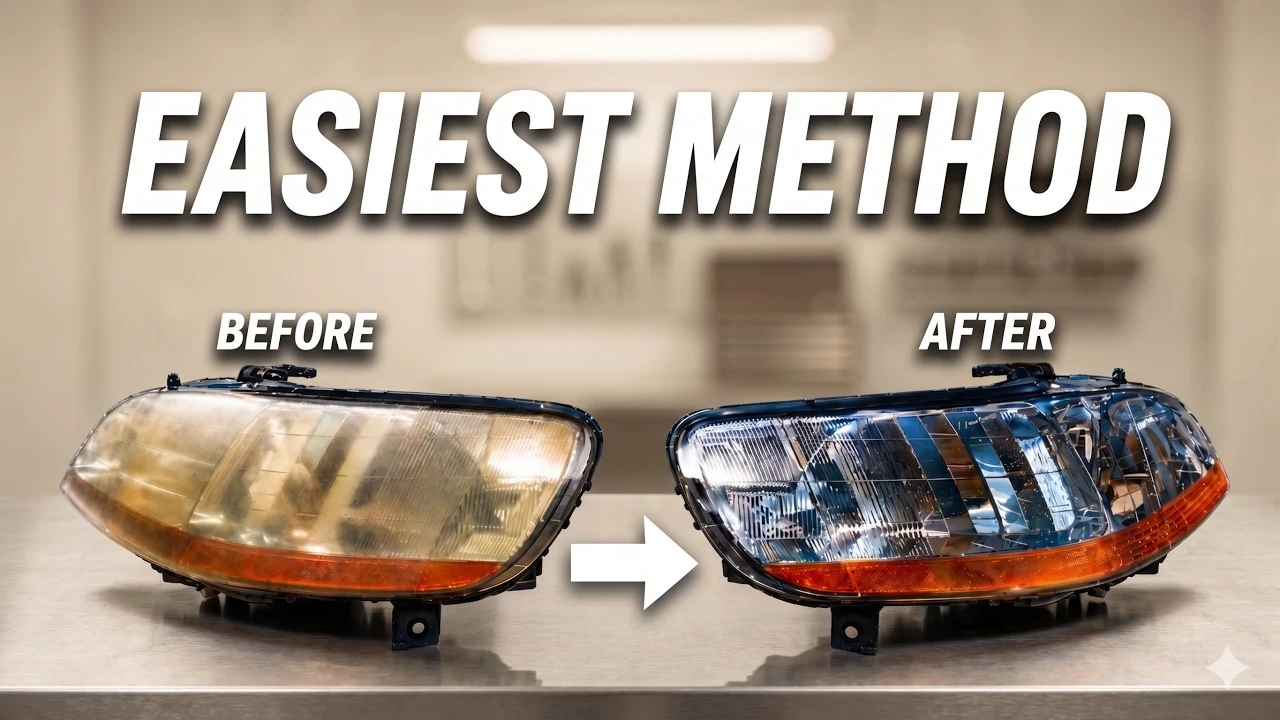
Many DIY attempts fail because drivers make simple mistakes.
Using Only Household Cleaners
Regular cleaners may remove dirt but usually cannot fix oxidation.
Foggy headlights require surface restoration, not just cleaning.
Skipping UV Protection
A restored headlight without protection may become cloudy again within months.
Using Too Much Pressure
Aggressive sanding can permanently damage the lens.
Always use controlled movements and follow a gradual process.
Expecting Instant Results
Severely damaged headlights require time and multiple steps. Professional-quality results come from careful preparation.
Best Ways to Maintain Clear Headlights After Restoration
Once you complete your foggy headlight restoration, regular maintenance will help preserve the results.
Follow these simple tips:
Wash Headlights Regularly
Remove dirt and chemicals before they damage the lens.
Park in Shade When Possible
Reducing direct sunlight exposure helps protect plastic surfaces.
Apply UV Protection Periodically
A protective coating extends the life of your restoration.
Inspect Headlights During Vehicle Maintenance
Include headlights in your regular car care routine.
Real-Life Case Study: Restoring Cloudy Headlights on an Older Sedan
A vehicle owner named Mike noticed that his 10-year-old sedan had severely yellow headlights. During nighttime driving, he felt the headlights were not producing the same brightness as before.
Initially, he considered replacing the headlight assemblies, but the cost was higher than expected.
Instead, he tried a complete DIY headlight restoration process:
- Cleaned the lenses thoroughly
- Removed oxidation using wet sanding
- Applied polishing compound
- Added UV protection coating
After completing the process, the headlights looked significantly clearer, and nighttime visibility improved.
This example shows that learning how to clean foggy headlights without replacing them can save money while improving vehicle safety.
Professional Headlight Restoration vs DIY Cleaning
Both options have benefits.
DIY Restoration
Advantages:
- Lower cost
- Convenient at home
- Good for mild to moderate damage
Disadvantages:
- Requires time
- Needs proper technique
Professional Restoration
Advantages:
- Faster results
- Professional equipment
- Better for severe oxidation
Disadvantages:
- Higher cost
For many everyday drivers, a careful DIY approach provides excellent results.
Final Thoughts
Learning how do I clean foggy headlights can help you improve your vehicle’s appearance, safety, and visibility without spending money on expensive replacements.
Cloudy headlights are usually caused by oxidation and environmental damage, but with the right process, you can restore their clarity. Whether you choose a DIY method or professional service, regular maintenance is the key to keeping your headlights looking clean and performing well.
A small investment of time in headlight lens cleaning and protection can make a noticeable difference during nighttime driving and help your vehicle stay in better condition for years.
FAQs About How Do I Clean Foggy Headlights
Why do headlights become foggy?
Headlights become foggy due to UV damage, oxidation, scratches, and weather exposure.
Can I clean foggy headlights at home?
Yes, you can restore cloudy headlights at home using cleaning, polishing, and UV protection methods.
What is the best way to clean cloudy headlights?
The best method includes removing oxidation, polishing the lens, and applying protective coating.
Does toothpaste remove headlight haze?
Toothpaste may temporarily improve mild surface dullness, but it is not a long-term restoration solution.
How long does headlight restoration last?
How long does headlight restoration last.

Safety is Mark’s top priority. His blog isn’t just advice; it’s a guardian angel for drivers. Stay informed about the latest safety features, and drive with confidence, knowing Mark has your back.