
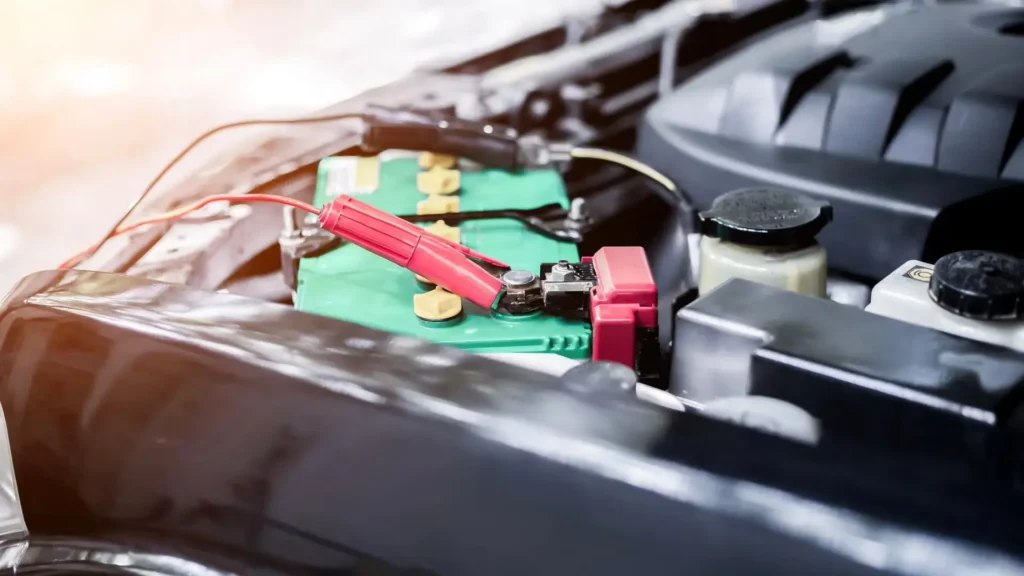
Your car’s battery is one of the most important components of the vehicle’s electrical system. Whether you are performing basic maintenance, replacing an old battery, installing new parts, or troubleshooting an electrical issue, knowing how to disconnect a car battery correctly is an essential skill for every vehicle owner.
Many people assume battery removal is as simple as loosening a few bolts, but doing it incorrectly can create problems such as electrical shorts, damaged components, or accidental sparks. With the right approach and proper battery safety precautions, disconnecting a battery can be a simple task that saves time and prevents unnecessary repair costs.
In this guide, we will explain how to disconnect a car battery safely step by step, the tools you need, common mistakes to avoid, and important tips based on real automotive experience.
Content
Why You May Need to Disconnect a Car Battery
There are several situations where disconnecting a car battery safely becomes necessary. Vehicle owners often disconnect batteries before performing repairs or maintenance work to reduce electrical risks.
Common reasons include:
- Replacing an old or damaged battery
- Cleaning corroded battery terminals
- Installing a new stereo system or accessories
- Performing electrical repairs
- Resetting certain vehicle systems
- Preventing battery drain during long storage periods
During regular car battery maintenance, disconnecting the battery allows you to work more safely around electrical connections.
However, modern vehicles contain sensitive electronics, so it is important to follow the correct process instead of simply removing cables randomly.
Tools Needed to Disconnect a Car Battery
Before starting the car battery removal process, gather the necessary tools. Having everything ready makes the job faster and safer.
You will typically need:
- Safety gloves
- Safety glasses
- Adjustable wrench or socket wrench
- Battery terminal cleaner (optional)
- Small wire brush (optional)
- Protective cloth
The exact tools may vary depending on your vehicle model, but most batteries require a basic wrench or socket to loosen the terminal clamps.
Always make sure the vehicle is parked on a flat surface, the engine is turned off, and the keys are removed before beginning.
How to Disconnect a Car Battery Safely Step by Step
Learning how to disconnect a car battery safely step by step starts with understanding the correct order. The most important rule is removing the negative connection first.
Step 1: Turn Off the Vehicle Completely
Before touching the battery:
- Turn off the engine
- Remove the ignition key
- Turn off all lights and accessories
- Allow the vehicle to sit for a few minutes
This reduces the chance of electrical issues and ensures the system is not actively drawing power.
Step 2: Locate the Battery and Identify the Terminals
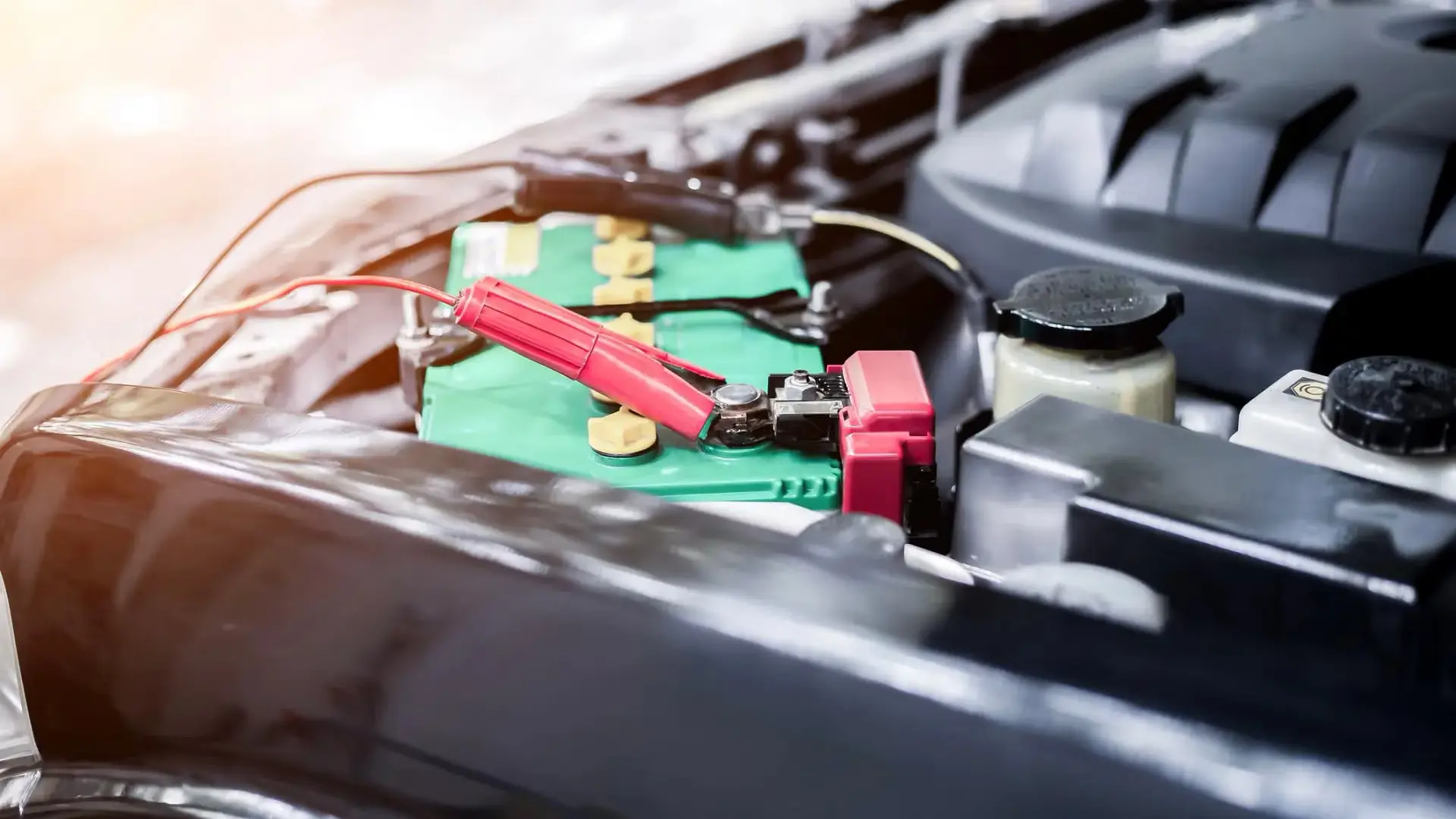
Open the hood and find the battery. Most batteries have two terminals:
- Positive terminal (+)
- Negative terminal (-)
The positive terminal usually has a red cover or marking, while the negative terminal often has a black cable.
Understanding the difference between the terminals is critical because removing them in the wrong order can increase the risk of sparks.
Step 3: Disconnect the Negative Battery Terminal First
One of the most common questions drivers ask is:
What terminal to disconnect first on a car battery?
The answer is always the negative battery terminal first.
Use your wrench to loosen the nut holding the negative cable clamp. Once loose, gently remove the cable from the terminal.
Keep the cable away from the battery post so it does not accidentally reconnect.
Removing the negative connection first helps prevent accidental short circuits because the vehicle’s electrical ground is disconnected.
Step 4: Remove the Positive Battery Terminal
After removing the negative cable, move to the positive side.
Carefully loosen the clamp and remove the positive battery terminal.
Avoid allowing your tool to touch both terminals or the vehicle’s metal body at the same time. This can create sparks and may damage electrical components.
Step 5: Remove the Battery If Needed
If you are replacing the battery, you can now continue with complete removal.
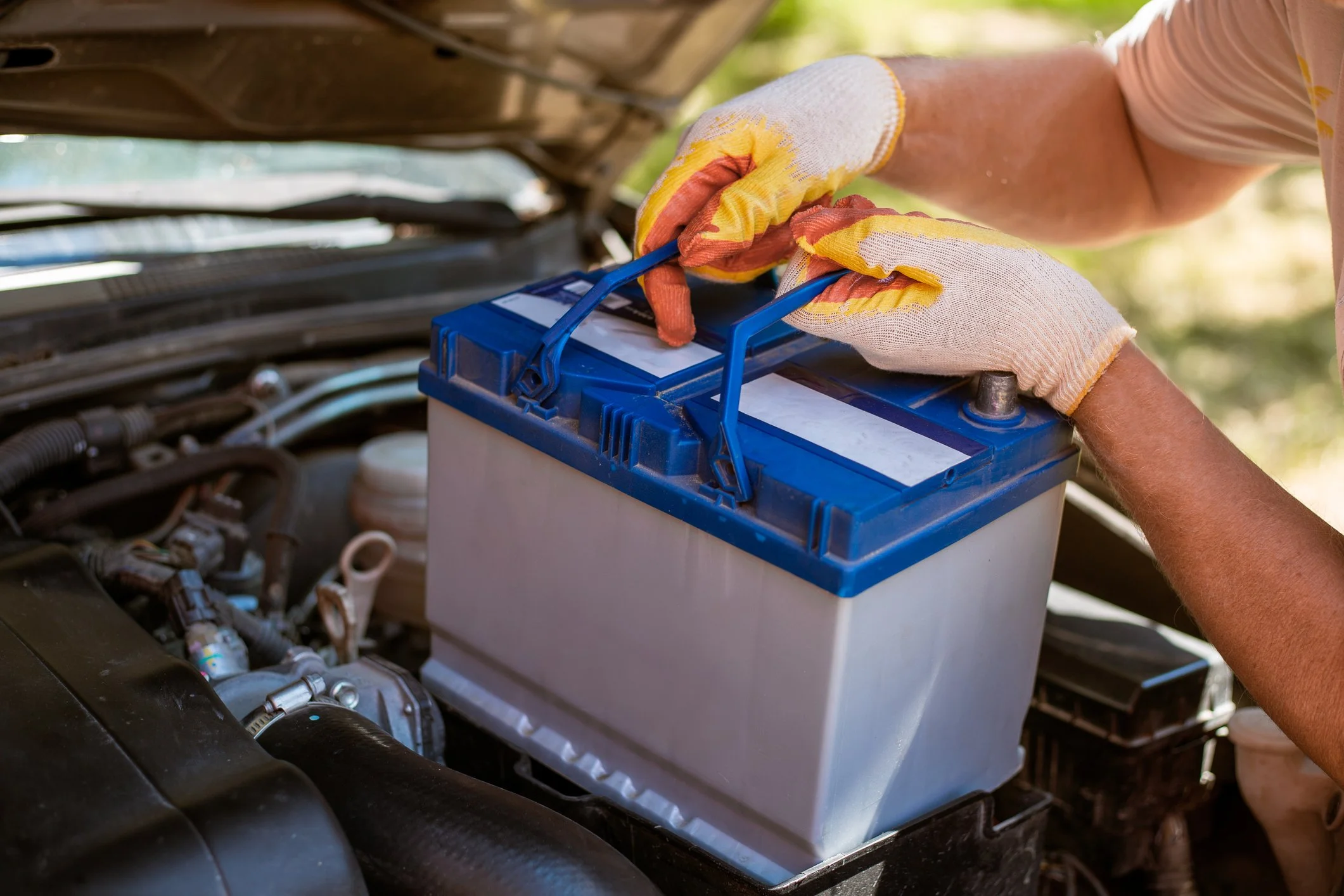
Many batteries are secured with a holding bracket or clamp. Remove this carefully before lifting the battery.
Remember:
- Car batteries are heavy
- Lift with proper support
- Keep the battery upright
- Avoid touching damaged or leaking batteries
This is how to remove a car battery without damaging the vehicle or surrounding components.
Important Battery Safety Precautions
Working with a car battery is generally safe when done correctly, but it still requires care.
Follow these battery safety precautions:
Wear Protective Gear
Battery acid can be harmful if it leaks. Gloves and eye protection provide an extra layer of safety.
Avoid Metal Contact Between Terminals
Never place tools across both battery posts. This can cause sparks or electrical damage.
Check for Corrosion
If you notice white or blue powder around terminals, the battery may have corrosion.
Cleaning terminals during maintenance can improve connection quality.
Work in a Ventilated Area
Batteries can release gases, so avoid working near open flames or sparks.
Common Mistakes When Disconnecting a Car Battery
Many beginners make simple mistakes during battery removal. Here are some issues to avoid:
Removing the Positive Terminal First
This is one of the biggest mistakes.
If your wrench touches metal while removing the positive terminal, it can create a direct electrical connection.
Always remove the negative side first.
Forgetting Vehicle Settings
Some vehicles may lose:
- Radio presets
- Clock settings
- Certain stored preferences
Some newer vehicles may require memory-saving procedures before battery disconnection.
Using the Wrong Tools
Using damaged or incorrect tools can slip and cause injuries or damage.
Always use properly sized equipment.
Real-Life Case Study: A Simple Battery Disconnect Prevented a Bigger Problem
A customer once brought in a vehicle because the owner wanted to install aftermarket lighting. The owner attempted the installation without disconnecting the battery first.
While working near the wiring, a tool accidentally touched a metal component and caused a small electrical short. Fortunately, no major damage occurred, but the incident could have been avoided.
After disconnecting the battery properly using the correct order — negative terminal first, then positive — the installation was completed safely.
This experience highlights why learning how to disconnect a car battery before working on a vehicle is not just a maintenance skill but an important safety practice.
How to Reconnect a Car Battery Properly
After completing your repair or maintenance work, reconnecting the battery requires the opposite order.
Follow these steps:
- Attach the positive battery terminal first
- Tighten the connection securely
- Attach the negative battery terminal
- Check that both connections are firm
A loose connection can cause starting problems or electrical issues.
Final Thoughts
Knowing how to disconnect a car battery is a valuable skill that every vehicle owner should understand. Whether you are completing basic maintenance, replacing a battery, or repairing electrical components, following the correct procedure helps protect both you and your vehicle.
The process is simple when you have the right tools, understand the correct terminal order, and follow proper safety steps. Taking a few extra minutes to disconnect the battery correctly can prevent costly mistakes and make automotive maintenance much easier.
FAQs About How To Disconnect a Car Battery
What terminal should I disconnect first on a car battery?
Always disconnect the negative battery terminal first before removing the positive terminal.
How long does it take to disconnect a car battery?
For most vehicles, disconnecting a battery takes around 5–10 minutes with the correct tools.
Can I disconnect my car battery myself?
Yes, most people can disconnect a car battery themselves by following proper safety procedures.
Do I need tools to disconnect a car battery?
Yes, you usually need a wrench or socket tool for battery terminal removal.
Why is battery safety important during car repairs?
Battery safety helps prevent electrical shorts, sparks, injuries, and possible damage to vehicle electronics.

Safety is Mark’s top priority. His blog isn’t just advice; it’s a guardian angel for drivers. Stay informed about the latest safety features, and drive with confidence, knowing Mark has your back.