
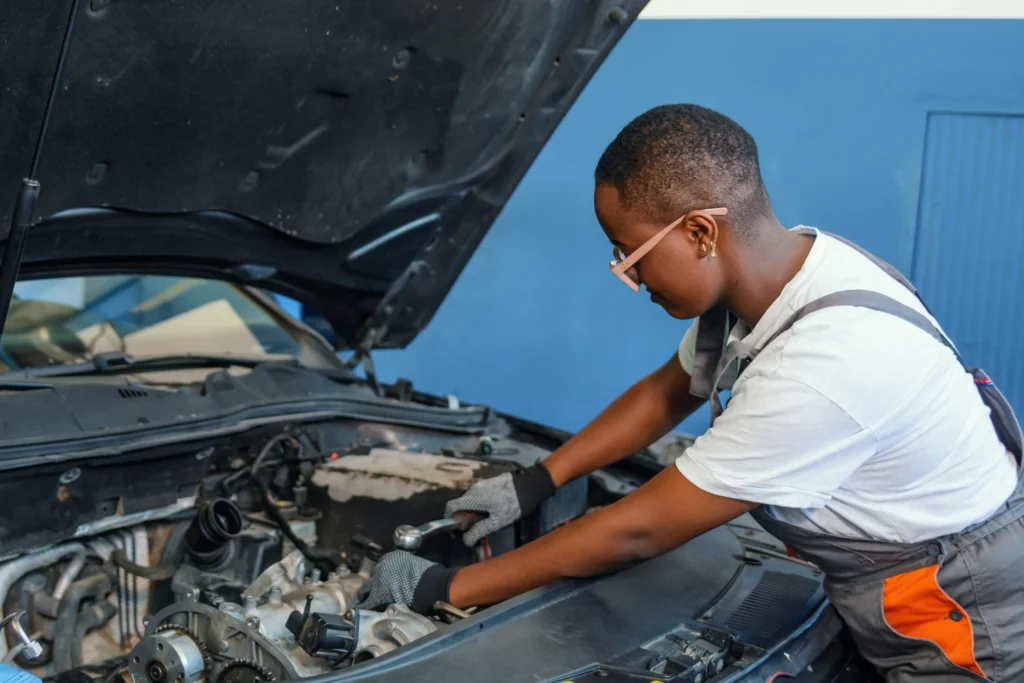
Cars make life easier, but they can also develop problems when you least expect them. Whether your car won’t start before work, the check engine light suddenly comes on, or you hear strange noises while driving, knowing how to fix car problems can save you time, money, and unnecessary stress.
The good news is that not every issue requires an expensive trip to the repair shop. Many common fix car problems can be diagnosed and even repaired at home with basic tools and a little patience. This car repair guide will walk you through the most common issues, explain how to troubleshoot them, and help you decide when it’s safe to handle a repair yourself or when it’s better to call a professional.
Content
Why Learning Basic Car Repairs Matters
Understanding your vehicle isn’t just about saving money. It also helps you:
- Identify problems before they become serious
- Improve vehicle safety
- Extend your car’s lifespan
- Reduce unexpected breakdowns
- Feel more confident behind the wheel
Even if you don’t plan to become a mechanic, learning basic car maintenance and simple DIY car repair techniques can make a huge difference.
Essential Car Repair Tools Every Driver Should Own
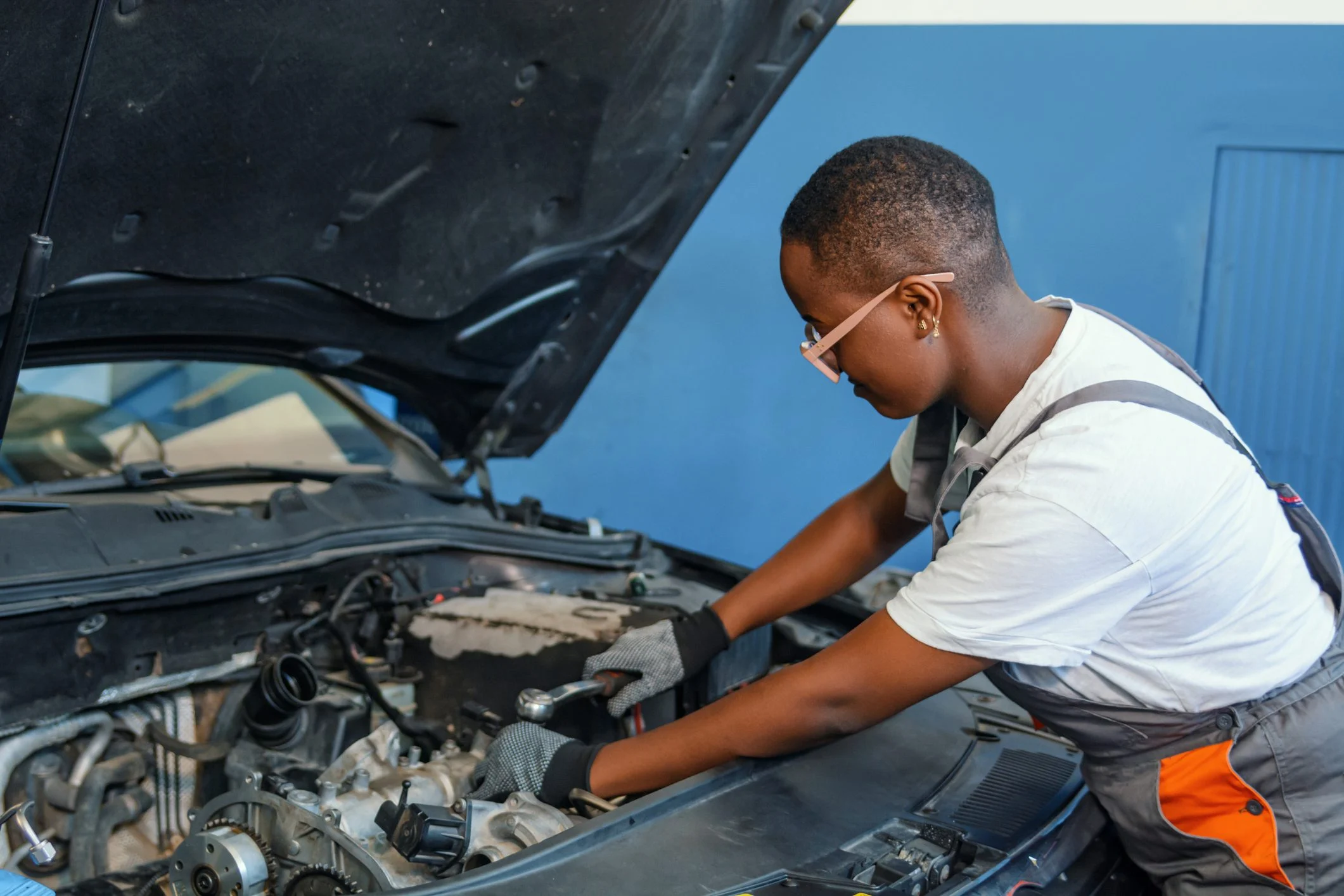
Before learning how to fix car problems at home, keep these basic tools in your garage:
| Tool | Purpose |
|---|---|
| Socket wrench set | Tightening and loosening bolts |
| Screwdrivers | Removing covers and clamps |
| OBD-II scanner | Reading diagnostic trouble codes |
| Car jack & jack stands | Safely lifting the vehicle |
| Tire pressure gauge | Checking tire pressure |
| Jumper cables | Starting a dead battery |
| Flashlight | Inspecting dark engine areas |
| Protective gloves | Preventing injuries |
Having these car repair tools makes diagnosing and fixing minor problems much easier.
Step 1: Diagnose the Problem Before Repairing
One of the biggest mistakes beginners make is replacing parts without knowing the real issue.
Instead, start with proper car troubleshooting by asking yourself:
- Does the engine crank?
- Does the car make unusual noises?
- Is there smoke?
- Are warning lights on?
- Is fluid leaking underneath?
If your vehicle has a warning light, connect an OBD-II scanner to identify fault codes before attempting repairs.
How to Fix Car Problems That Won’t Start
One of the most searched questions online is how to fix car problem that won’t start.
Several issues could be responsible.
1. Dead Battery
Signs include:
- Clicking sound
- Dim headlights
- Dashboard lights flickering
How to fix:
- Jump-start the battery.
- Clean battery terminals.
- Replace the battery if it no longer holds a charge.
Many car battery problems are caused by corrosion or leaving lights on overnight.
2. Faulty Starter
Symptoms include:
- Single clicking noise
- Engine refuses to crank
In many cases, replacing the starter motor solves the problem.
3. Bad Alternator
If the battery repeatedly dies after charging, the alternator may not be supplying power.
Have the charging system tested before replacing components.
How to Fix Car Engine Problems
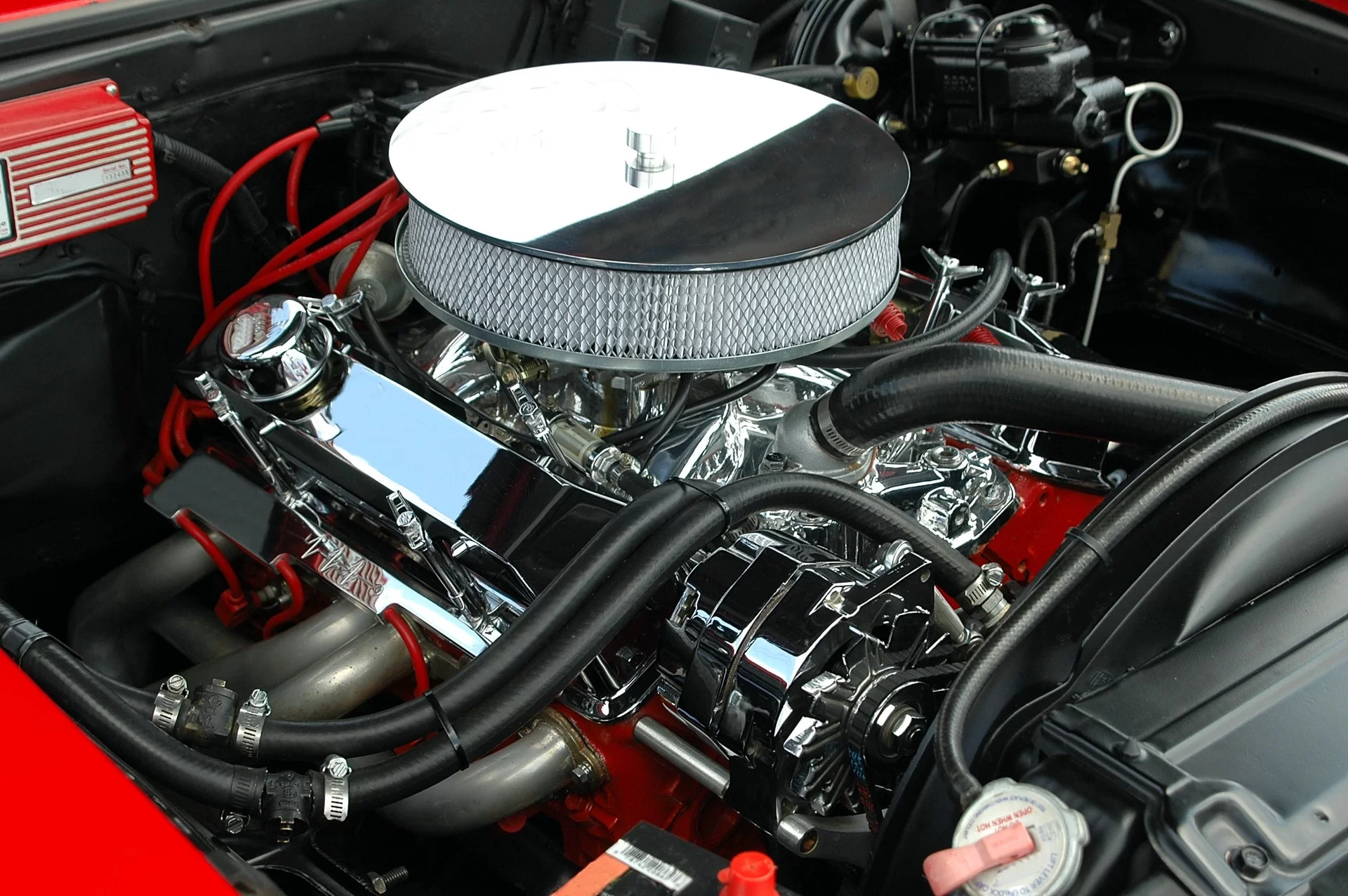
Engine issues often seem intimidating, but many are easy to diagnose.
Common causes include:
- Dirty air filter
- Worn spark plugs
- Low engine oil
- Faulty ignition coils
- Fuel delivery issues
Simple fixes:
- Replace dirty air filters.
- Perform spark plug replacement according to your maintenance schedule.
- Check oil levels regularly.
- Inspect hoses for cracks or leaks.
Following these simple steps helps prevent expensive engine repair tips from becoming major repair bills.
How to Fix a Check Engine Light
Seeing the check engine light can be stressful, but don’t panic.
Common causes include:
- Loose gas cap
- Oxygen sensor failure
- Worn spark plugs
- Catalytic converter issues
- Mass airflow sensor problems
Before replacing parts:
- Scan the vehicle.
- Record the diagnostic code.
- Research the code.
- Repair only the faulty component.
- Clear the code after repair.
Never ignore a flashing check engine light, as it often indicates a serious engine problem.
How to Fix Car Overheating Problems
Engine overheating should never be ignored.
Possible causes:
- Low coolant
- Broken radiator fan
- Thermostat failure
- Coolant leak
- Clogged radiator
If your temperature gauge climbs rapidly:
- Pull over safely.
- Turn off the engine.
- Let it cool completely.
- Never remove the radiator cap while it’s hot.
Regular coolant inspections are an important part of basic car maintenance.
How to Fix Oil Leaks in a Car
If you notice oil spots under your vehicle, act quickly.
Typical causes include:
- Damaged valve cover gasket
- Loose oil drain plug
- Oil filter installed incorrectly
- Worn oil pan gasket
Small leaks can often be repaired by replacing inexpensive seals.
Ignoring oil leak repair can eventually damage your engine.
Brake Repair Basics
Your brakes are one system you should never neglect.
Warning signs include:
- Squealing noises
- Grinding sounds
- Soft brake pedal
- Longer stopping distance
- Steering wheel vibration
Some brake repair jobs, such as replacing brake pads, can be completed by experienced DIYers. However, damaged rotors or brake line problems should be handled by professionals.
Simple Preventive Maintenance Saves Money
Many expensive repairs happen because small maintenance tasks are ignored.
Follow this simple car maintenance checklist:
- Change engine oil regularly.
- Check tire pressure monthly.
- Replace air filters.
- Inspect belts and hoses.
- Test the battery.
- Rotate tires.
- Check coolant levels.
- Replace windshield wipers.
- Inspect brake fluid.
Preventive care is far cheaper than emergency repairs.
When Should You Repair It Yourself?
Not every repair requires a mechanic.
Good DIY Repairs
- Replacing air filters
- Battery replacement
- Wiper blades
- Headlight bulbs
- Spark plug replacement
- Oil changes
These are considered easy DIY car repairs for beginners.
When to Visit a Professional Mechanic
Some repairs require specialized equipment and experience.
Seek professional help if your vehicle has:
- Transmission problems
- Airbag warning lights
- Major electrical failures
- Engine knocking
- Brake hydraulic issues
- Severe suspension damage
Trying to repair these systems without proper knowledge can create safety risks.
Real-Life Case Study
David, a first-time car owner, noticed his sedan struggled to start every morning. Instead of immediately replacing the starter motor, he borrowed an OBD-II scanner and performed some basic car troubleshooting. The scanner showed no starter-related faults, but a battery test revealed the battery was near the end of its life. After replacing the battery and cleaning the corroded terminals, the starting problem disappeared.
This experience highlights an important lesson: diagnosing the root cause before buying parts can save both time and money. A simple battery replacement cost far less than replacing multiple components unnecessarily.
Common Car Problems and Quick Solutions
| Problem | Possible Cause | Basic Solution |
|---|---|---|
| Car won’t start | Dead battery | Jump-start or replace battery |
| Engine overheats | Low coolant | Refill coolant and inspect for leaks |
| Check engine light | Sensor fault | Scan codes and repair the identified issue |
| Oil leak | Damaged gasket | Replace leaking gasket |
| Brake noise | Worn brake pads | Replace brake pads |
| Poor acceleration | Dirty air filter | Install a new air filter |
Tips to Avoid Expensive Repairs
- Never ignore warning lights.
- Listen for unusual sounds.
- Check fluids every month.
- Follow your vehicle’s maintenance schedule.
- Use quality replacement parts.
- Keep your tires properly inflated.
- Fix small issues before they become major repairs.
These habits improve reliability and reduce long-term ownership costs.
Final Thoughts
Learning how to fix car problems doesn’t mean you need to become a professional mechanic. By understanding the basics of DIY car repair, recognizing early warning signs, and following a regular car maintenance checklist, you can prevent many common breakdowns and save hundreds of dollars in repair costs over time.
Start with simple maintenance tasks, invest in a few essential tools, and always diagnose the issue before replacing parts. With patience and the right approach, you’ll be better prepared to handle many everyday vehicle problems while knowing when it’s time to seek expert help.
FAQs About How To Fix Car Problems
Can I fix my car without being a mechanic?
Yes. Many routine maintenance tasks and minor repairs can be completed safely with the right tools, guidance, and safety precautions.
How do I diagnose common car problems?
Start with a visual inspection, listen for unusual noises, check warning lights, and use an OBD-II scanner to identify fault codes.
What is the easiest car repair for beginners?
Replacing air filters, windshield wipers, batteries, and headlight bulbs are among the easiest DIY repairs for beginners.
When should I stop driving my car?
Stop driving immediately if the engine overheats, oil pressure drops, brakes fail, or warning lights indicate a serious mechanical problem.
Is DIY car repair worth it?
Yes, for routine maintenance and simple repairs. However, complex systems like transmissions, airbags, and advanced electronics are usually best left to qualified technicians.

Safety is Mark’s top priority. His blog isn’t just advice; it’s a guardian angel for drivers. Stay informed about the latest safety features, and drive with confidence, knowing Mark has your back.