
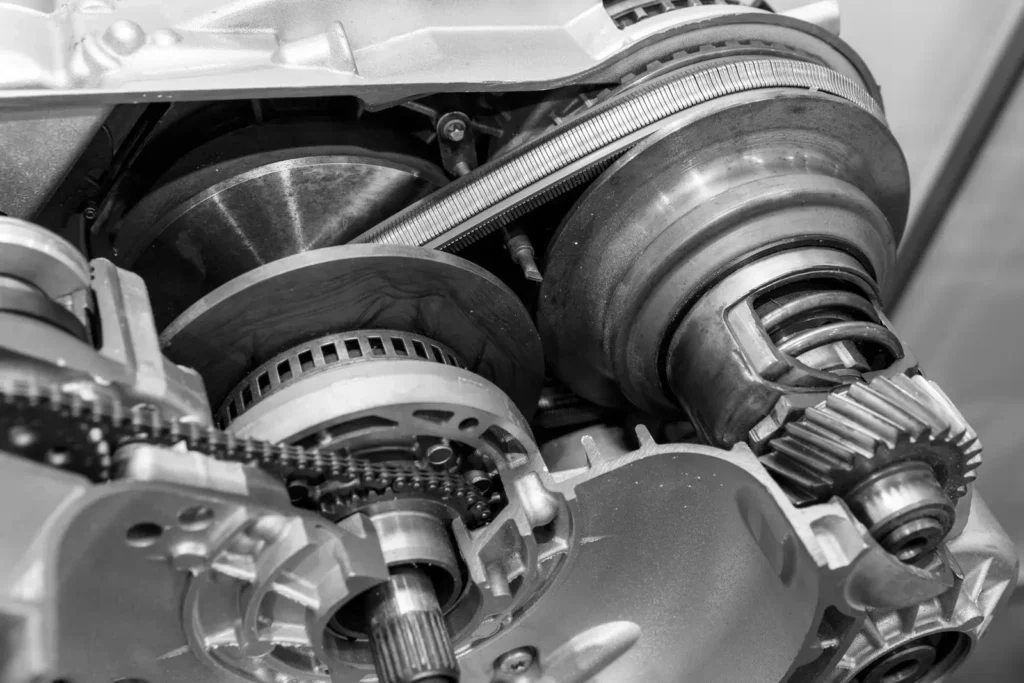
When buying a new vehicle, many drivers focus on engine power, fuel economy, safety features, and reliability. However, one important component that directly affects your driving experience is the transmission. Among modern vehicle technologies, the CVT transmission has become increasingly popular because of its smooth operation and fuel-saving capabilities.
So, what does transmission CVT meaning? A CVT stands for Continuously Variable Transmission, a type of automatic transmission that does not use traditional fixed gears. Instead of shifting between separate gear ratios like a conventional automatic gearbox, a CVT continuously adjusts the ratio to keep the engine operating efficiently.
In this guide, we will explain transmission CVT meaning, how a CVT transmission works, its benefits and disadvantages, maintenance requirements, common issues, and whether a CVT vehicle is the right choice for you.
Content
What Is a CVT Transmission in a Car?
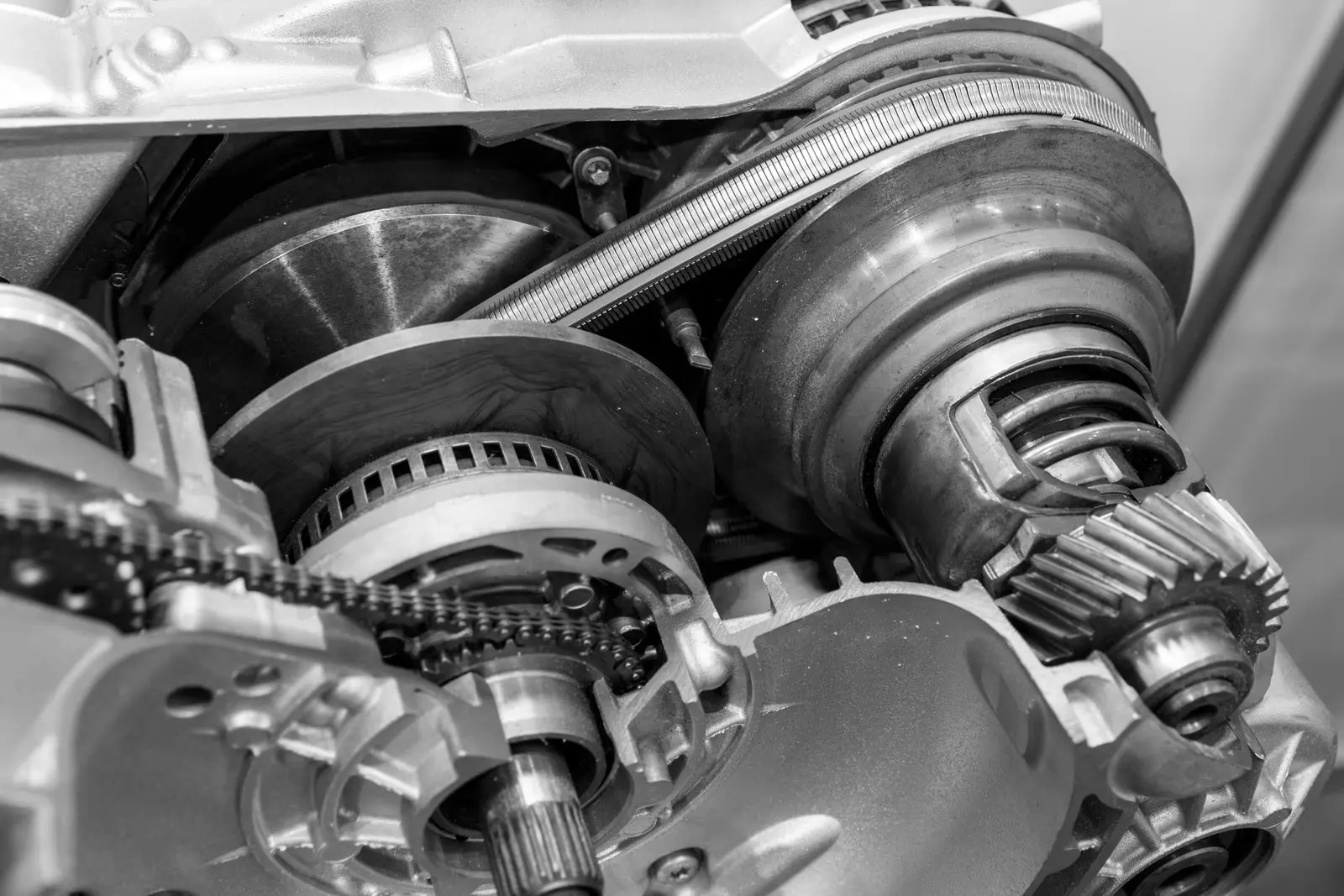
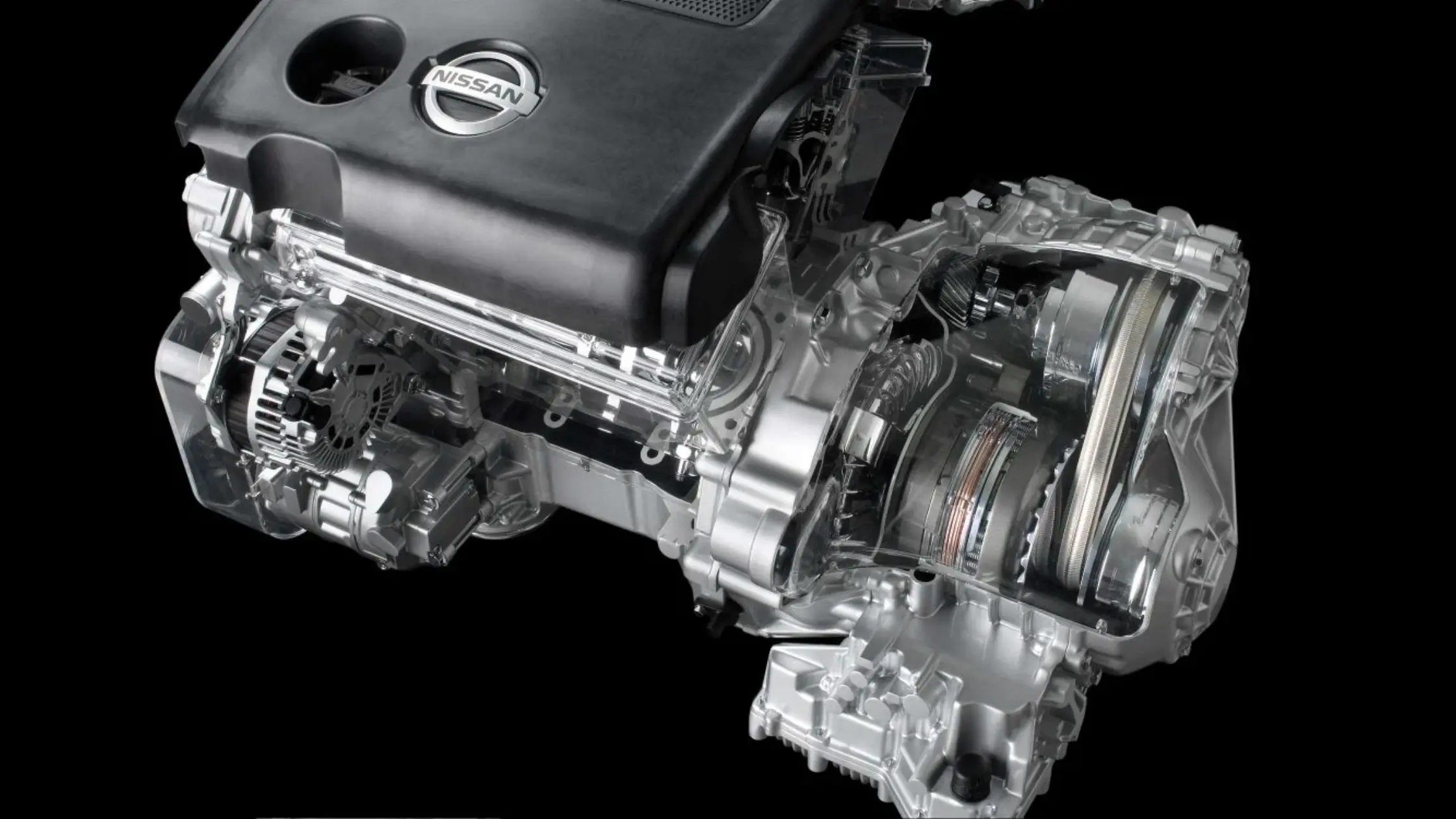
A transmission CVT meaning in a car is an automatic gearbox designed to provide seamless power delivery without traditional gear changes. Unlike manual and standard automatic transmissions that use fixed gears, a CVT uses a system of pulleys and a belt or chain to create unlimited gear ratios.
Traditional transmissions may have 6, 8, or even 10 gears, while a continuously variable transmission can adjust smoothly through thousands of possible ratios.
The main goal of a CVT gearbox is to keep the engine running at the most efficient RPM range. This improves fuel economy, reduces unnecessary shifting, and creates a smoother driving experience.
Common vehicles that use transmission CVT meaning include many models from:
- Toyota
- Honda
- Nissan
- Subaru
- Mitsubishi
Manufacturers often choose CVT technology because it helps improve efficiency while meeting modern fuel economy standards.
How Does a CVT Transmission Work?
Many drivers ask, “how does a CVT transmission work?” The answer is different from a traditional automatic transmission.
A CVT system mainly consists of:
- Two variable-diameter pulleys
- A strong steel belt or chain
- Transmission fluid
- Sensors and electronic controls
The two pulleys are connected by a belt. One pulley receives power from the engine, while the other sends power to the wheels.
As driving conditions change, the pulleys adjust their diameter. This allows the transmission to create the ideal gear ratio automatically.
For example:
- During acceleration, the CVT provides a lower ratio to deliver more power.
- During highway cruising, it creates a higher ratio to reduce engine workload.
- During uphill driving, it adjusts continuously to provide additional torque.
Because there are no traditional gear shifts, many drivers experience smoother acceleration compared with conventional automatic transmissions.
CVT Transmission Explained: How It Differs From Traditional Transmissions
A traditional automatic transmission uses a set number of gears. Each gear is selected depending on speed, engine load, and driving conditions.
A CVT transmission works differently because it does not move between fixed gears.
| Feature | CVT Transmission | Automatic Transmission | Manual Transmission |
|---|---|---|---|
| Gear Changes | Continuous adjustment | Fixed gear shifts | Driver-controlled shifts |
| Fuel Efficiency | Usually higher | Moderate | Depends on driver |
| Driving Feel | Smooth acceleration | Familiar shifting feel | More engaging |
| Maintenance | Requires specific service | Regular transmission service | Clutch maintenance |
| Complexity | Advanced system | Mechanical complexity | Driver involvement |
The biggest advantage of CVT technology is efficiency. However, some drivers prefer the traditional feeling of gear changes.
Benefits of a CVT Transmission
1. Better Fuel Efficiency
One of the biggest advantages of a CVT transmission is improved fuel economy.
Because the system keeps the engine operating at an efficient RPM range, it can reduce fuel consumption compared with some traditional automatic transmissions.
Many manufacturers use CVTs in hybrid and economy vehicles because fuel efficiency is a major priority.
2. Smooth Driving Experience
A CVT eliminates noticeable gear shifts. Instead of feeling the transmission move from one gear to another, drivers experience smooth and continuous acceleration.
This makes CVT vehicles comfortable for:
- Daily commuting
- City driving
- Highway cruising
3. Improved Engine Performance
A CVT allows the engine to operate closer to its ideal power range. This can improve responsiveness and overall driving efficiency.
The transmission automatically adjusts based on:
- Vehicle speed
- Throttle input
- Road conditions
- Engine demand
CVT Transmission Pros and Cons
Like every automotive technology, a CVT transmission has advantages and disadvantages.
Pros of CVT Transmission
- Excellent fuel efficiency
- Smooth acceleration
- Fewer noticeable gear changes
- Lightweight design
- Better engine efficiency
- Comfortable daily driving
Cons of CVT Transmission
- Different driving feel compared with traditional automatic transmissions
- Repairs can be expensive
- Requires specific transmission fluid
- Not always ideal for heavy towing
- Some older CVT systems had reliability concerns
Understanding these advantages and disadvantages helps buyers make a better vehicle decision.
Is a CVT Transmission Reliable?
Many drivers ask, “is a CVT transmission reliable?”
The answer depends on several factors:
- Vehicle manufacturer
- Maintenance history
- Driving habits
- Proper servicing
Modern CVT transmissions have improved significantly compared with earlier versions. Manufacturers have developed stronger belts, better cooling systems, and improved software controls.
A well-maintained CVT transmission can provide many years of dependable service.
How Long Does a CVT Transmission Last?
Many owners wonder, “how long does a CVT transmission last?”
With proper maintenance, many modern CVT systems can last approximately:
150,000 to 200,000 miles or more
However, lifespan depends on:
- Regular fluid changes
- Avoiding excessive overheating
- Proper driving habits
- Following manufacturer recommendations
Ignoring maintenance can significantly reduce CVT transmission lifespan.
CVT Transmission Maintenance Tips
Proper maintenance is essential for long-term reliability.
1. Use the Correct CVT Transmission Fluid
CVT systems require specially designed fluid. Using incorrect fluid can damage internal components.
Always follow manufacturer recommendations.
2. Follow CVT Transmission Fluid Change Intervals
The CVT transmission fluid change interval varies by vehicle manufacturer.
Some vehicles may require service every:
- 30,000 miles
- 50,000 miles
- 60,000 miles
Always check your owner’s manual.
3. Avoid Excessive Stress
Heavy towing, aggressive acceleration, and overheating can place extra stress on a CVT system.
Driving smoothly helps extend transmission life.
Common CVT Transmission Problems
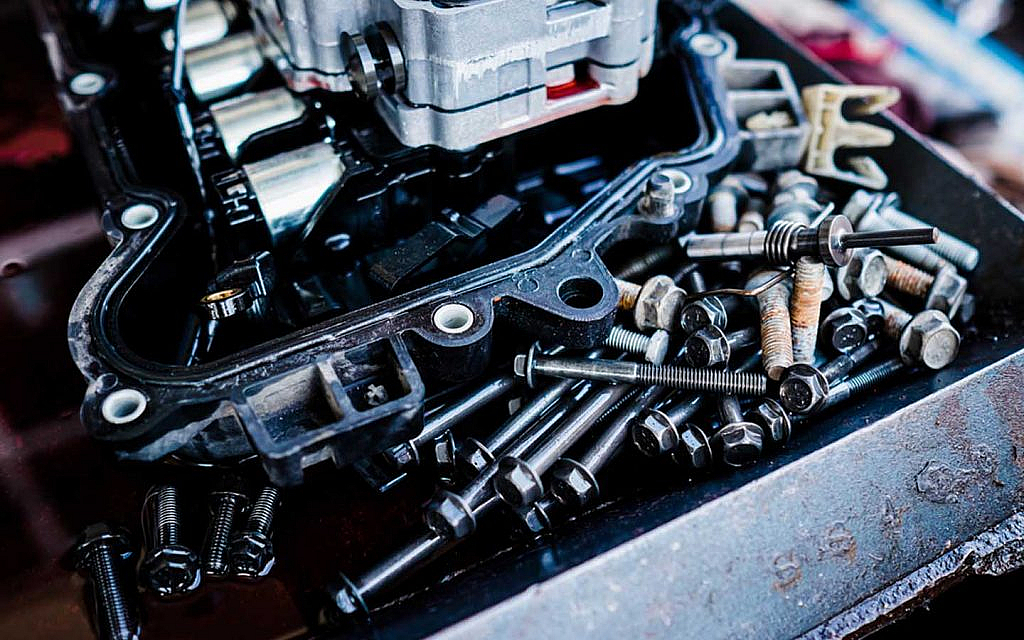
Although modern CVTs are reliable, some issues can occur.
1. Shaking or Jerking
A failing CVT may cause:
- Vibration during acceleration
- Hesitation
- Unusual movement
2. Strange Noises
Whining, humming, or unusual sounds may indicate internal problems.
3. Delayed Acceleration
If the vehicle struggles to respond when pressing the accelerator, the CVT may require inspection.
4. Transmission Overheating
Excessive heat can damage CVT components and reduce performance.
Signs of a Failing CVT Transmission
Drivers should watch for these warning signs:
- Delayed acceleration
- Burning smell
- Transmission slipping feeling
- Strange noises
- Warning lights
- Poor fuel economy
- Shaking during driving
Early inspection can prevent expensive repairs.
Real-Life Case Study: How Proper CVT Maintenance Saved a Vehicle Owner Money
A commuter in California owned a Toyota sedan equipped with a CVT transmission. After several years of daily city driving, the owner noticed slight hesitation during acceleration.
Instead of ignoring the issue, the driver visited a mechanic who checked the transmission condition. The inspection showed that the CVT fluid was overdue for replacement.
After performing a proper CVT transmission fluid service and updating maintenance records, the vehicle continued operating smoothly for many additional years.
This example shows why regular maintenance plays a major role in CVT transmission reliability. Small preventive services can help avoid major repair costs.
Should You Buy a Car With a CVT Transmission?
If you are considering a vehicle with CVT technology, ask yourself:
A CVT may be a good choice if you want:
- Better fuel economy
- Smooth daily driving
- Comfortable commuting
- Lower fuel costs
A traditional automatic may suit you better if you need:
- Heavy towing capability
- Sportier driving feel
- More aggressive performance
For most everyday drivers, a modern CVT transmission offers an efficient and comfortable driving experience.
Final Thoughts
Understanding transmission CVT meaning helps drivers make smarter decisions when choosing and maintaining a vehicle. A continuously variable transmission offers excellent fuel efficiency, smooth performance, and modern driving comfort.
While CVTs require proper maintenance and may not suit every driving style, newer systems have become more reliable and efficient than previous generations.
If you maintain the correct fluid levels, follow service schedules, and pay attention to warning signs, a CVT transmission can provide a dependable and enjoyable ownership experience for many years.
Frequently Asked Questions About Transmission CVT Meaning
What does transmission CVT mean?
Transmission CVT means Continuously Variable Transmission, an automatic gearbox that uses variable ratios instead of fixed gears
How does a CVT transmission work?
A CVT uses pulleys and a belt system to continuously adjust gear ratios for smooth and efficient power delivery.
Is a CVT transmission better than automatic?
A CVT often provides better fuel economy, while traditional automatics may offer a more familiar driving experience.
How often should CVT fluid be changed?
The CVT transmission fluid change interval depends on the vehicle manufacturer, commonly between 30,000 and 60,000 miles.
Are CVT transmissions expensive to repair?
CVT repairs can be costly because the technology requires specialized parts and service.

Safety is Mark’s top priority. His blog isn’t just advice; it’s a guardian angel for drivers. Stay informed about the latest safety features, and drive with confidence, knowing Mark has your back.