
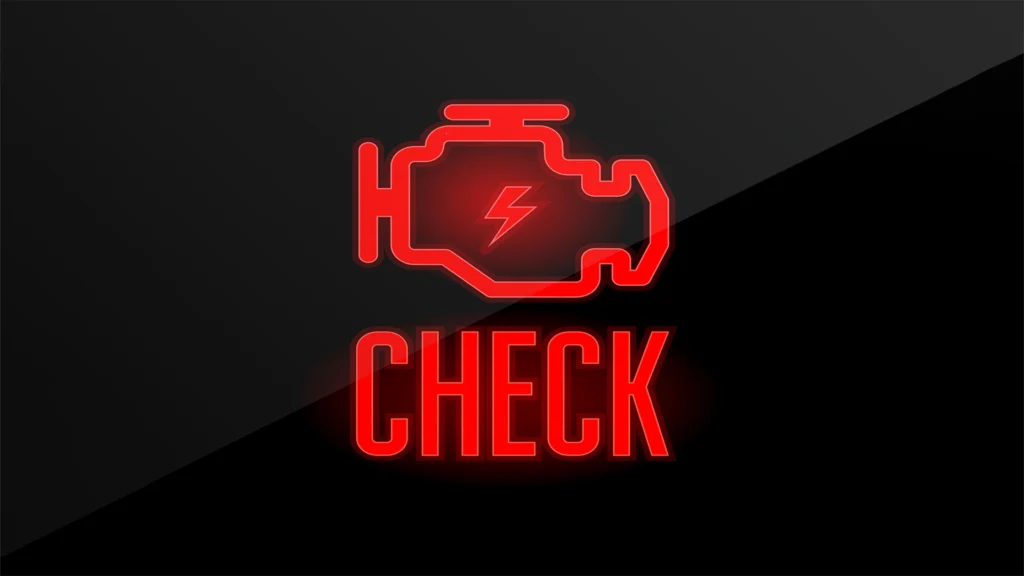
A check engine light flashing is one of the most serious dashboard warnings you can encounter. Unlike a steady check engine light, a flashing one often signals a problem that needs immediate attention. If you’ve ever wondered, “Why is my check engine light flashing?”, you’re not alone. Many drivers panic when they see this warning, especially if the car starts shaking or loses power.
From my experience working with vehicle owners and automotive repair professionals, most people assume it’s just another sensor issue and continue driving. Unfortunately, that small decision can turn a simple repair into a costly engine or exhaust system replacement.
In this guide, we’ll explain what does a flashing check engine light mean, the most common causes, whether you can safely drive your vehicle, and the steps you should take to avoid expensive repairs.
Content
What Does a Flashing Check Engine Light Mean?
A flashing check engine light usually indicates a severe engine misfire. When one or more cylinders fail to burn fuel properly, unburned fuel enters the exhaust system, where it can overheat and damage the catalytic converter.
Unlike a steady warning light that may point to a minor emissions issue, a flashing light is your vehicle’s way of saying:
- Stop driving if possible.
- Reduce engine load immediately.
- Have the vehicle diagnosed as soon as possible.
Ignoring this warning can quickly lead to expensive repairs and even leave you stranded.
Why Is My Check Engine Light Flashing?
There isn’t just one answer to this question. Several mechanical and electrical problems can trigger this warning.
1. Engine Misfire Symptoms
The most common cause of a flashing check engine light is an engine misfire.
Typical engine misfire symptoms include:
- Rough idle
- Poor acceleration
- Engine shaking
- Reduced fuel economy
- Loss of power
- Vibrations while driving
A misfire occurs when fuel inside one or more cylinders fails to ignite correctly.
2. Faulty Ignition Coil
A faulty ignition coil prevents the spark plug from producing a strong spark.
Without proper ignition:
- Fuel doesn’t burn completely.
- The engine runs unevenly.
- The check engine light may begin flashing.
Many modern vehicles have one ignition coil per cylinder, so a single failed coil can trigger noticeable performance issues.
3. Worn or Damaged Spark Plugs
Old spark plugs are another common reason for engine misfires.
If you’ve delayed spark plug replacement, symptoms may include:
- Difficult starting
- Poor fuel economy
- Rough engine idle
- Reduced performance
- Flashing engine warning light
Replacing spark plugs at the manufacturer’s recommended interval is one of the easiest ways to prevent this issue.
4. Fuel Injector Problems
Fuel injectors deliver the precise amount of fuel into each cylinder.
If an injector becomes clogged or fails:
- Fuel delivery becomes uneven.
- The engine misfires.
- Engine performance suffers.
- The warning light may flash.
5. Catalytic Converter Damage
One reason manufacturers recommend stopping immediately is the risk of catalytic converter damage.
When unburned fuel reaches the converter, it burns inside the exhaust system, creating excessive heat.
Since catalytic converters are expensive to replace, acting quickly can save you thousands of dollars.
6. Vacuum Leaks or Air Intake Issues
Extra air entering the engine changes the air-fuel mixture.
Possible causes include:
- Cracked vacuum hoses
- Intake gasket leaks
- Loose intake components
These problems may lead to rough idle and engine misfires.
7. Sensor or Engine Control Module Problems
Although less common, faulty sensors or engine control module issues can also trigger a flashing warning.
Common sensors include:
- Oxygen sensor
- Mass airflow sensor
- Crankshaft position sensor
- Camshaft position sensor
A professional diagnosis is usually needed to confirm the exact cause.
Check Engine Light Flashing While Driving: What Should You Do?
Seeing the check engine light flashing while driving can be alarming.
Here’s what I recommend based on real-world experience:
Step 1: Stay Calm
Avoid sudden acceleration or hard braking.
Step 2: Reduce Speed
Drive gently and avoid high engine RPMs.
Step 3: Watch for Symptoms
Pay attention to:
- Engine shaking
- Smoke
- Burning smells
- Loss of power
- Strange noises
Step 4: Pull Over Safely
If the vehicle runs poorly, pull over when it’s safe.
Step 5: Arrange a Diagnostic Inspection
Have the vehicle scanned using OBD-II diagnostic codes to identify the exact problem.
Can I Drive With a Flashing Check Engine Light?
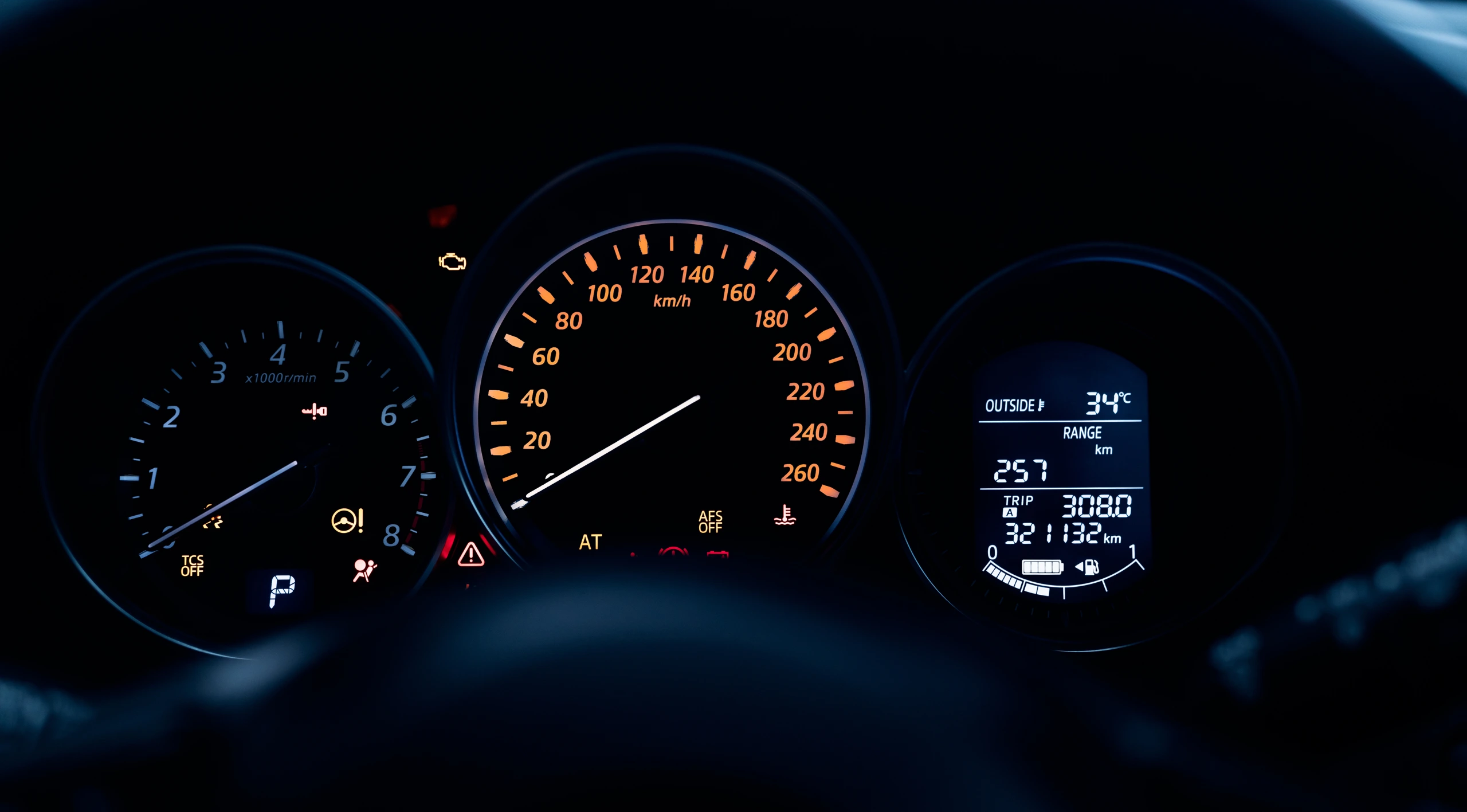
Many drivers ask, “Can I drive with a flashing check engine light?”
The safest answer is no.
Driving may be possible for a very short distance if you’re moving to a safe location or nearby repair shop, but continuing normal driving greatly increases the risk of:
- Engine damage
- Catalytic converter failure
- Poor fuel economy
- Unexpected breakdowns
If the engine is shaking severely or losing power, it’s best to stop driving and arrange towing.
Check Engine Light Flashing and Car Shaking
When the check engine light flashing and car shaking happen together, it’s almost always a sign of a serious engine misfire.
Possible causes include:
- Failed ignition coil
- Bad spark plugs
- Faulty fuel injector
- Compression problems
- Timing issues
Driving under these conditions can quickly worsen the damage.
Check Engine Light Flashing Then Stops
Sometimes the warning flashes briefly before disappearing.
This may happen because:
- The misfire was temporary.
- Moisture affected ignition components.
- Poor-quality fuel caused intermittent combustion.
- A sensor briefly detected abnormal readings.
Even if the light goes away, you should still have the vehicle inspected. Intermittent problems often return later.
How to Fix a Flashing Check Engine Light
Many people search for how to fix a flashing check engine light, but the correct repair depends on the underlying issue.
Common repairs include:
| Problem | Possible Fix |
|---|---|
| Worn spark plugs | Replace spark plugs |
| Bad ignition coil | Replace ignition coil |
| Clogged fuel injector | Clean or replace injector |
| Vacuum leak | Repair damaged hose or gasket |
| Faulty sensor | Replace defective sensor |
| Fuel delivery issue | Inspect fuel system |
| Engine timing issue | Professional engine repair |
Never replace parts based on guesswork. A proper diagnosis saves both time and money.
Using OBD-II Diagnostic Codes
Modern vehicles store OBD-II diagnostic codes whenever the engine computer detects a fault.
Common codes related to flashing engine lights include:
- P0300 – Random cylinder misfire
- P0301–P0308 – Cylinder-specific misfire
- P0350 series – Ignition coil issues
- P0171 – Lean fuel mixture
Reading these codes with a diagnostic scanner helps identify where to begin troubleshooting.
Real-Life Case Study
A customer brought in a midsize SUV after noticing the check engine light flashing during a weekend road trip. The vehicle had begun vibrating while accelerating, but since it still moved, the driver continued another 60 miles before visiting a repair shop.
After connecting a scan tool, technicians found a failed ignition coil causing a cylinder misfire. Unfortunately, the prolonged driving had also overheated the catalytic converter.
The repair required:
- New ignition coil
- Spark plug replacement
- Catalytic converter replacement
The ignition coil alone would have been an affordable repair. Waiting turned it into a repair bill several times higher. This example highlights why acting quickly when a flashing warning appears can prevent unnecessary expenses.
Tips to Prevent Future Engine Problems
Routine maintenance is the best defense against unexpected warning lights.
Helpful habits include:
- Replace spark plugs on schedule.
- Inspect ignition coils during tune-ups.
- Use quality fuel.
- Follow recommended maintenance intervals.
- Repair vacuum leaks promptly.
- Address rough idle or engine vibrations early.
- Scan stored trouble codes whenever the check engine light appears.
Preventive maintenance costs far less than major engine repairs.
Final Thoughts
A check engine light flashing is never something to ignore. While the exact cause can range from worn spark plugs to a faulty ignition coil or fuel delivery problem, the warning almost always points to a serious engine issue that deserves immediate attention.
If you’re asking, “Why is my check engine light flashing?”, the safest approach is to reduce speed, avoid unnecessary driving, and have the vehicle diagnosed as soon as possible. Acting early not only protects your engine but can also prevent expensive repairs like catalytic converter damage.
Routine maintenance, timely inspections, and responding quickly to warning signs will help keep your vehicle reliable and safe for years to come.
Frequently Asked Questions
What does a flashing check engine light mean?
A flashing check engine light usually indicates a serious engine misfire that requires immediate attention to prevent engine or catalytic converter damage.
Is a flashing check engine light an emergency?
Yes. In most cases, it signals a condition that should be diagnosed as soon as possible.
Can bad spark plugs cause a flashing check engine light?
Yes. Worn spark plugs can cause engine misfires, resulting in a flashing warning light.
Can low oil cause a flashing check engine light?
Low oil generally triggers the oil pressure warning rather than a flashing check engine light, although severe engine damage from low oil can indirectly lead to engine problems.
How do I diagnose a flashing check engine light?
Start by scanning the vehicle for OBD-II diagnostic codes, then inspect ignition components, spark plugs, fuel injectors, and other systems based on the stored codes.

Safety is Mark’s top priority. His blog isn’t just advice; it’s a guardian angel for drivers. Stay informed about the latest safety features, and drive with confidence, knowing Mark has your back.